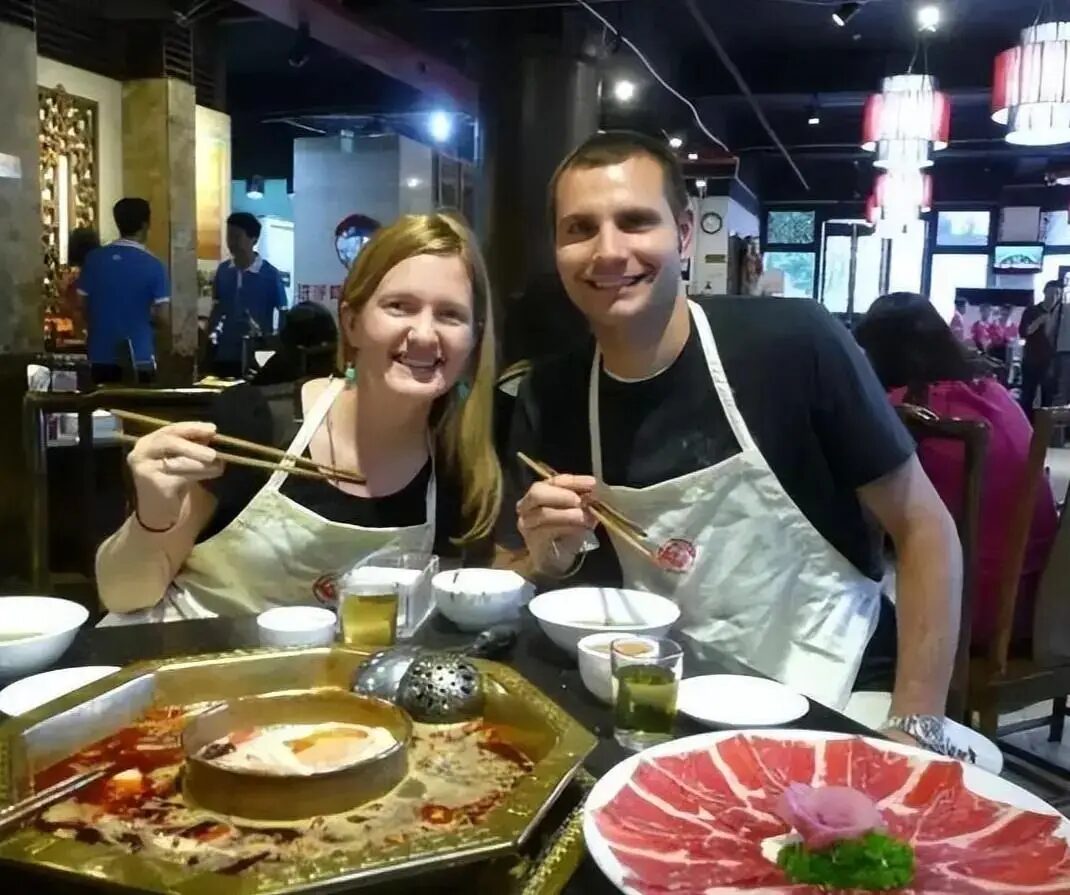
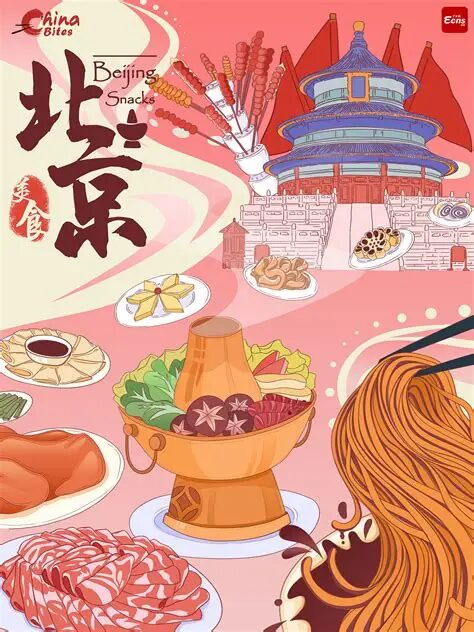
Beijing’s culinary landscape offers international visitors an incredible journey through Chinese food culture—but navigating it successfully requires the right guidance. This comprehensive guide will help you discover Beijing’s most delicious dishes while avoiding potential culinary pitfalls that could derail your dining adventures.
How to Use This Guide: Foreign-Friendly Rating System
To help you make informed choices, every dish in this guide includes a Foreign-Friendly Rating (★☆☆☆☆ to ★★★★★) plus specific recommendations:
- ★★★★★ Perfect for beginners – universally loved
- ★★★★☆ Highly recommended – minor cultural differences
- ★★★☆☆ Good to try – requires some adventurous eating
- ★★☆☆☆ Challenging – only for experienced travelers
- ★☆☆☆☆ Extreme challenge – try at your own risk
Essential Beijing Dishes: The Must-Try List
1. Peking Duck (北京烤鸭) – ★★★★★
Why it’s perfect for foreigners:
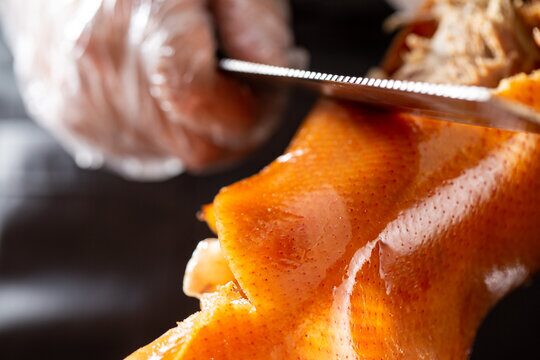
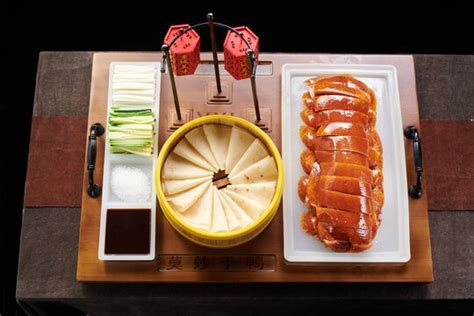
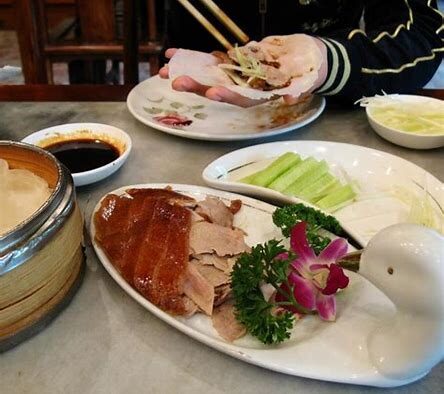
Peking Duck is Beijing’s most internationally recognized dish for good reason—it’s designed to impress and tastes as good as it looks. The crispy skin, tender meat, and interactive eating experience make it accessible to all palates.
What to expect:
- Whole duck presentation with theatrical carving
- Three-course experience: skin, meat, then soup
- Simple flavors that don’t challenge Western palates
- Interactive eating with pancakes and condiments
Cost expectation:
- Budget option: ¥88-150 per duck
- Mid-range: ¥200-400 per duck
- Premium: ¥500-1000+ per duck
Recommended restaurants:
- Quanjude (全聚德): Famous brand with English menus
- Bianyifang (便宜坊): Historic, less touristy
- Da Dong: Modern interpretation, Instagram-worthy
Foreigner tips:
- Reservations recommended for dinner
- Half duck is usually enough for 2-3 people
- Don’t worry about technique – staff will help you
2. Jianbing (煎饼) – ★★★★★
Why foreigners love it:
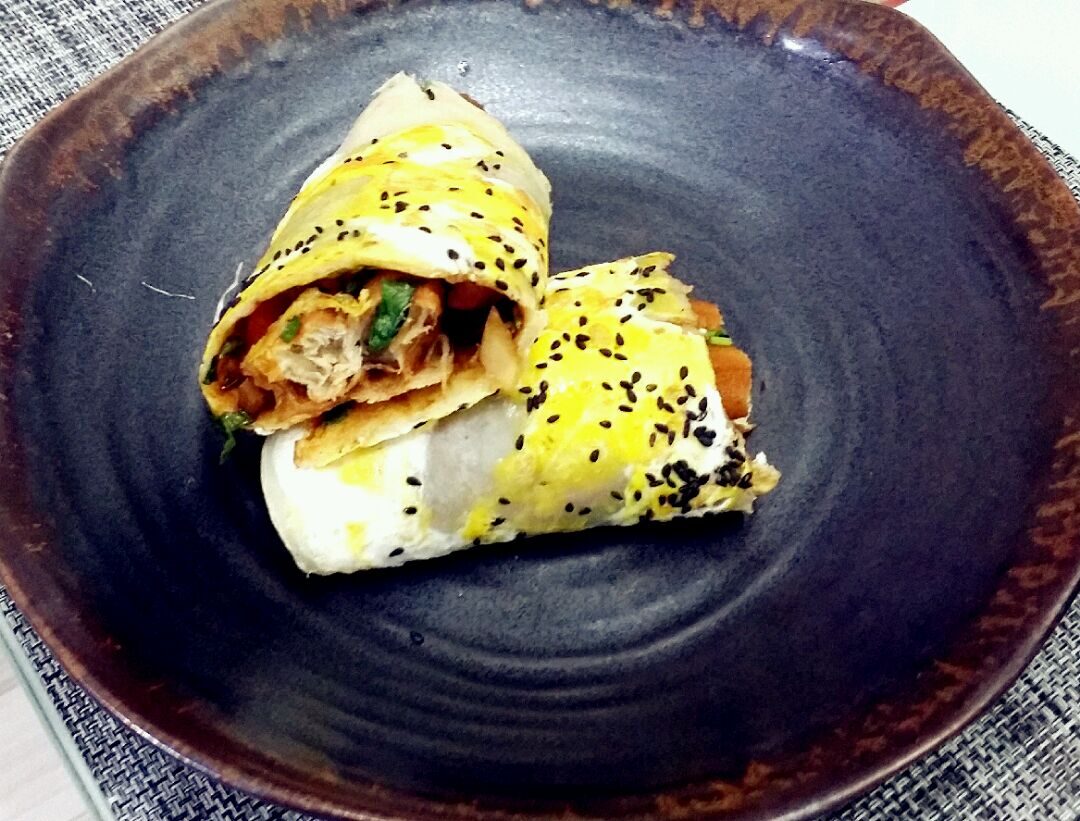
Often called the “Chinese breakfast burrito,” jianbing is portable, filling, and customizable. It’s the perfect introduction to Chinese street food culture.
What it is:
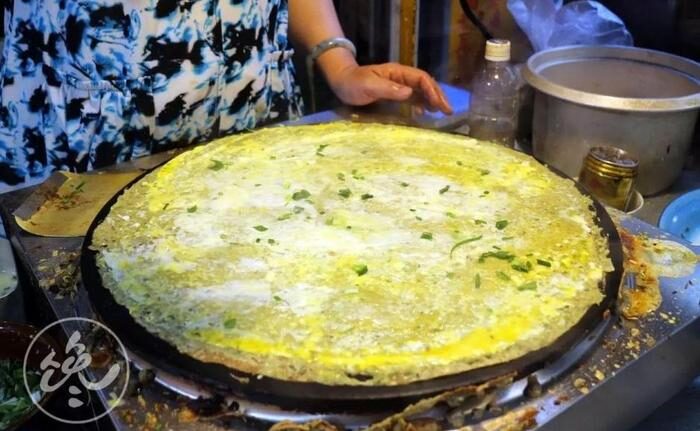
A savory crepe made with eggs, crispy elements, and various sauces, folded into a handheld breakfast.
Cost: ¥8-15 per piece
Best time: 6:00-9:00 AM at street stalls
Duration: Made fresh in 3-5 minutes
Ordering tips:
- Point and nod – vendors are used to foreigners
- “Bu yao la” (不要辣) means “no spicy”
- Watch the process – it’s part of the experience
- Eat immediately while hot and crispy
Where to find:
- Subway station exits (highest quality due to volume)
- University areas (student-friendly prices)
- Business districts (slightly more expensive but consistent)
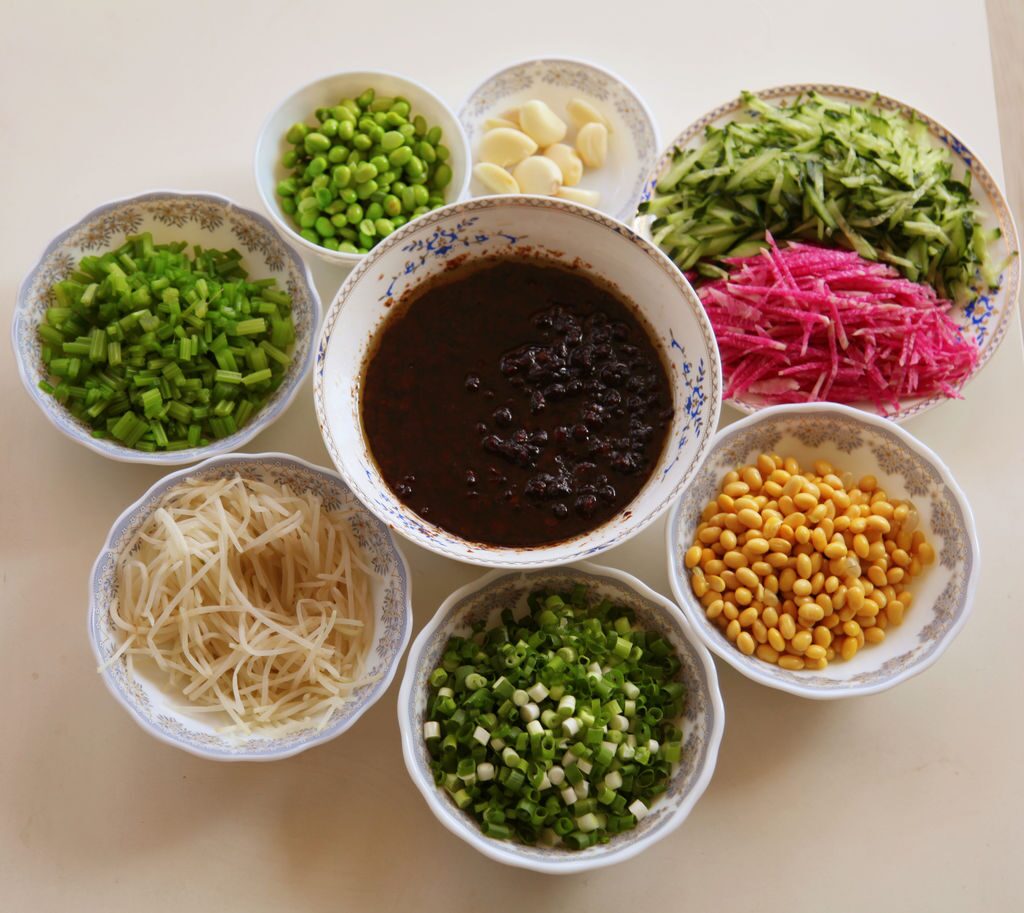
3. Zhajiang Mian (炸酱面) – ★★★★☆
Why it’s great for foreigners:
This is Beijing’s comfort food – hearty, satisfying, and similar to familiar pasta dishes. The flavors are rich but not overwhelming.
What to expect:
- Thick wheat noodles with savory bean sauce
- Ground pork and vegetables
- Mixing required – don’t eat separately
- Generous portions perfect for sharing
Cost: ¥15-35 per bowl
Best approach: Order one bowl to share initially
Cultural note:
Light slurping is acceptable and shows appreciation, but excessive noise should be avoided in upscale restaurants.
Recommended spots:
- Hai Wan Ju (海碗居): Chain with English menus
- Local noodle shops in hutongs
- Hotel coffee shops (safer but less authentic)
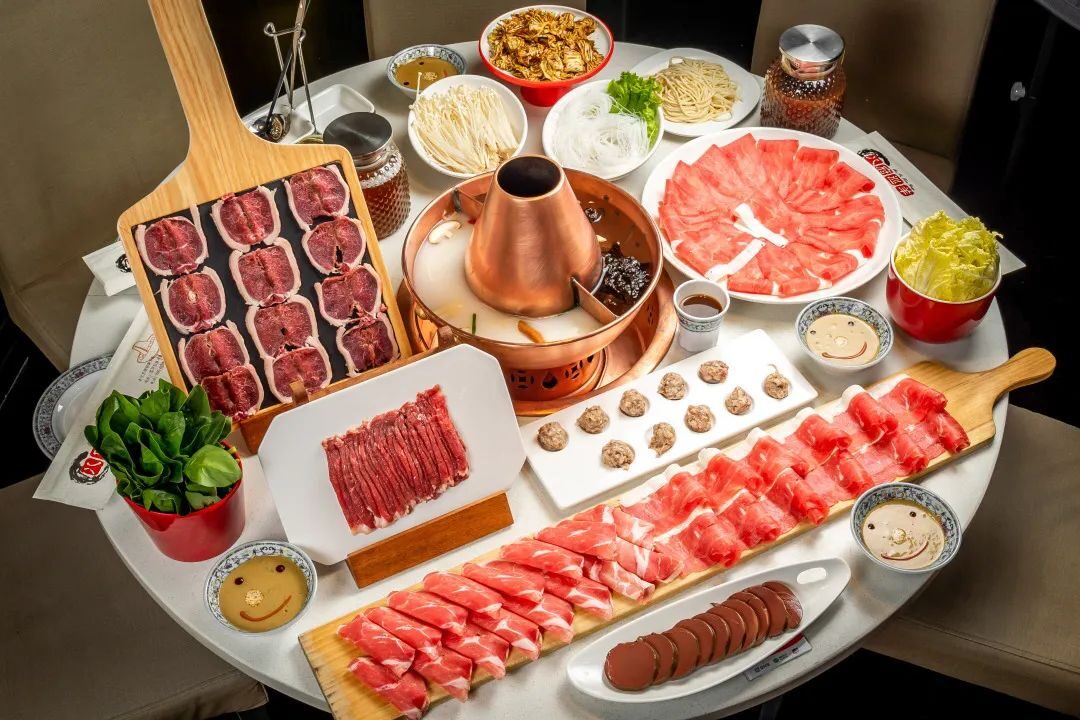
4. Beijing Hot Pot (涮羊肉) – ★★★☆☆
Why it needs guidance:
Hot pot is a wonderful social experience, but the DIY nature and unfamiliar ingredients can be overwhelming for first-timers.
What makes Beijing hot pot different:
- Clear broth (not spicy like Sichuan)
- Emphasis on lamb quality
- Minimal seasoning – lets ingredients shine
- Dipping sauces are crucial
Cost: ¥80-200 per person
Group size: Better with 3+ people
Duration: 1.5-2 hours typical
Beginner strategy:
- Ask for help with sauce mixing
- Start with familiar items (beef, vegetables)
- Cook lamb briefly (10-15 seconds max)
- Don’t overcook vegetables
Essential dipping sauce:
- Sesame paste (zhima jiang) – the Beijing classic
- Soy sauce and vinegar – familiar flavors
- Garlic and cilantro – for freshness
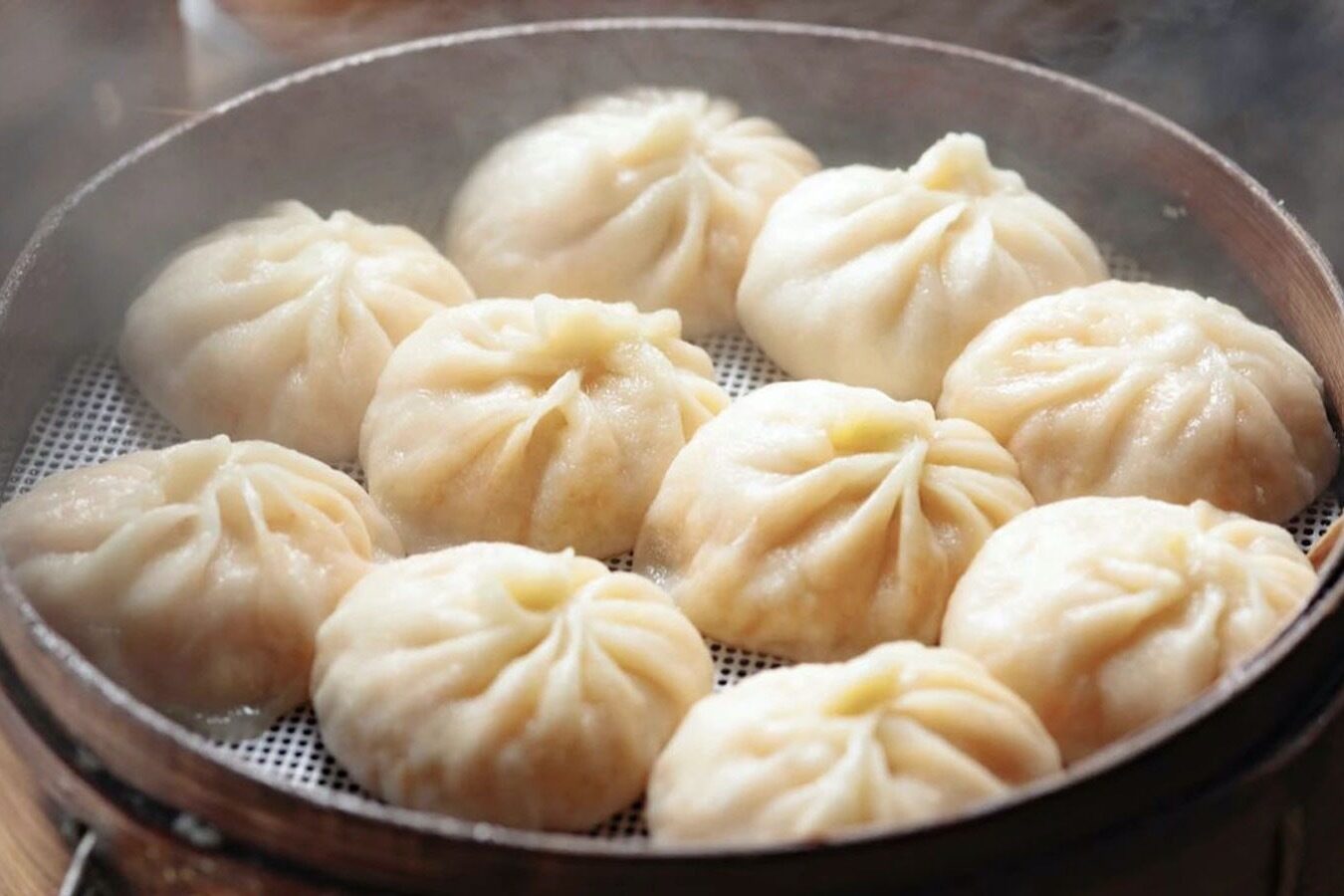
5. Xiaolongbao (小笼包) – ★★★★☆
Why foreigners enjoy it:
These soup dumplings are Instagram-perfect and offer a fun eating challenge that’s manageable for most visitors.
The technique:
- Lift carefully with chopsticks
- Bite small hole in top
- Sip the soup first
- Eat the dumpling in one bite if possible
Cost: ¥25-60 per steamer (6-8 pieces)
Best time: Lunch hours for freshest batches
Safety tip:
The soup inside is extremely hot – let it cool slightly or you’ll burn your mouth.
Recommended places:
- Din Tai Fung: International chain, consistent quality
- Jia Jia Tang Bao: Local favorite
- Hotel restaurants: Safer preparation standards
Street Food Adventures: Proceed with Caution
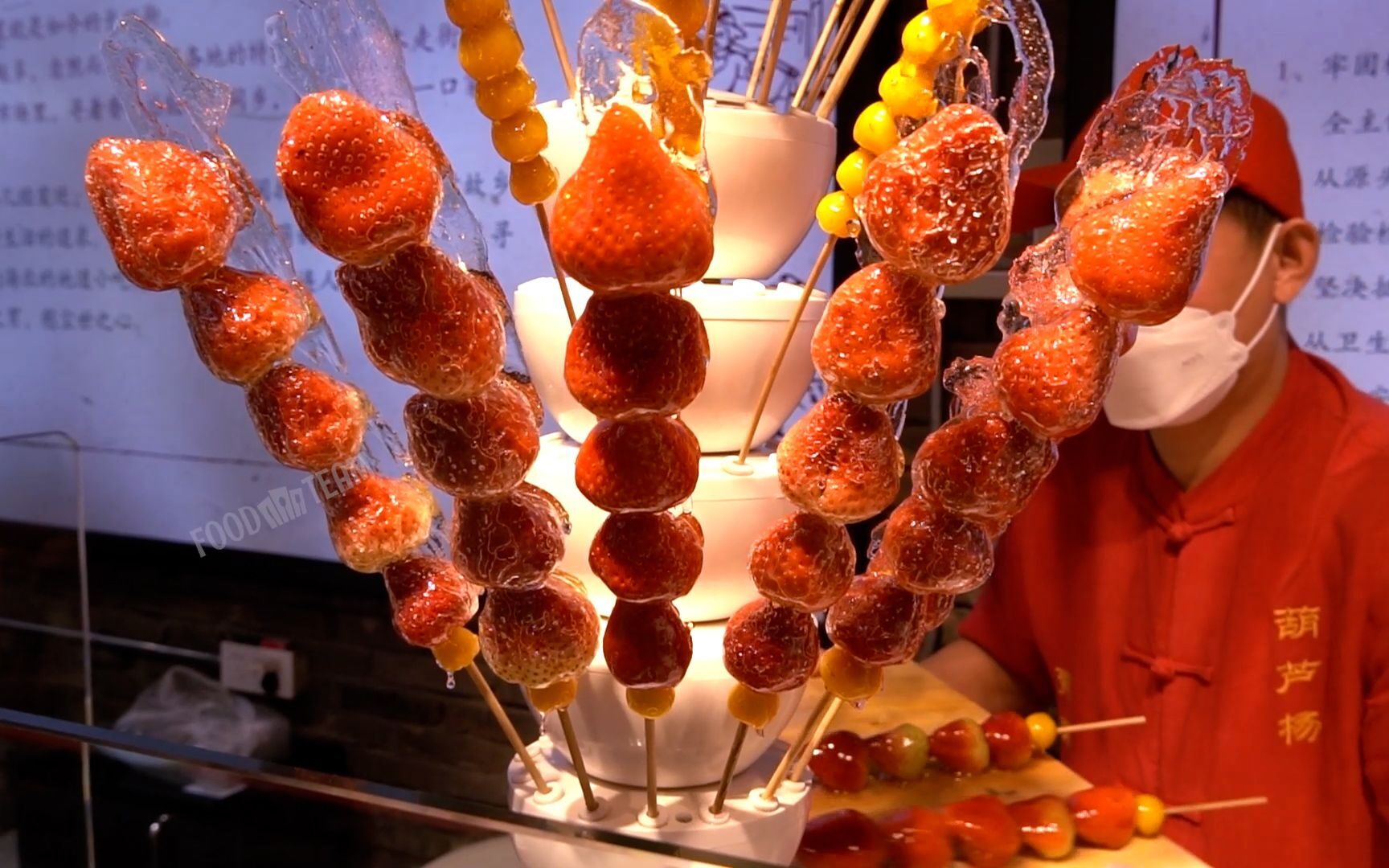
6. Candied Hawthorn (糖葫芦) – ★★★★★
Perfect for foreigners:
Sweet, tangy, and visually appealing – these candied fruits on a stick are Beijing’s most photogenic street snack.
What to expect:
- Bright red hawthorn berries coated in hard sugar
- Tart flavor balanced by sweet coating
- Crunchy texture that’s addictive
- Various fruits available (strawberry, grape, orange)
Cost: ¥5-15 per stick
Best season: Fall and winter
Photo opportunity: Excellent for social media
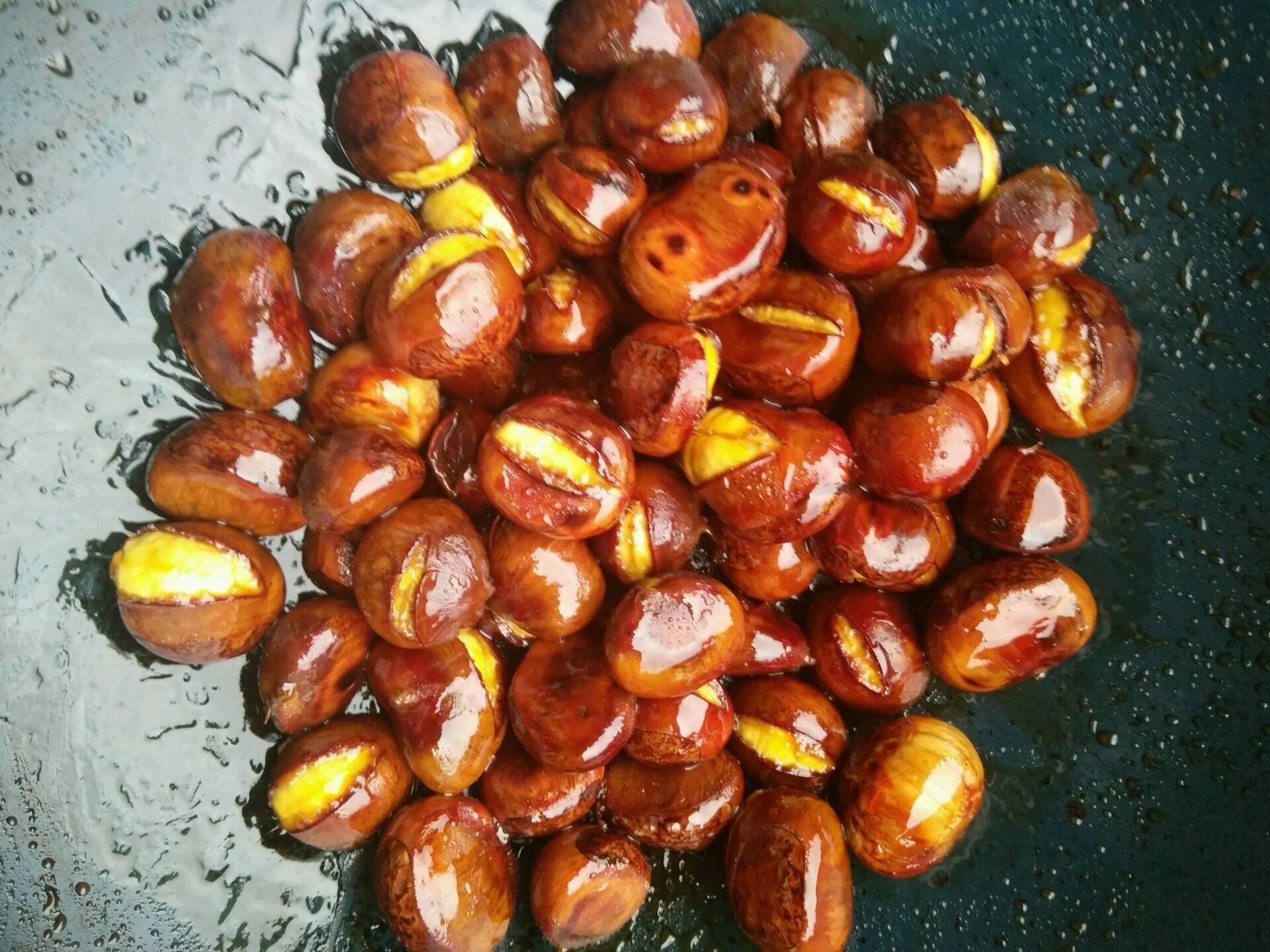
7. Roasted Chestnuts (糖炒栗子) – ★★★★☆
Why it’s foreigner-friendly:
A familiar snack with a Chinese twist – sweet, warm, and perfect for cold Beijing days.
What to expect:
- Hot, peeled chestnuts with sugar coating
- Sweet, nutty flavor similar to Western preparations
- Warm comfort food perfect for winter
- Sold by weight from street carts
Cost: ¥20-30 per 500g
Best season: October through February
Eating tip: They’re served very hot – let them cool slightly
Advanced Challenges: For Experienced Food Adventurers Only
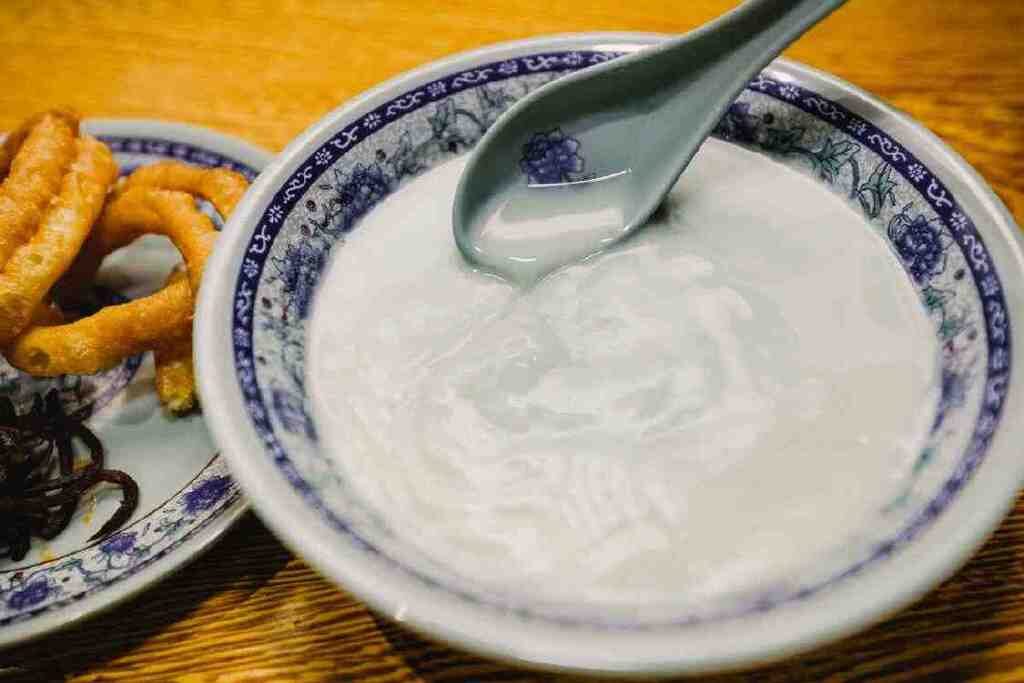
8. Douzhir (豆汁儿) – ★☆☆☆☆
⚠️ SERIOUS WARNING: This fermented mung bean drink is considered the ultimate test of Beijing food tolerance. Most foreigners (and many locals) find it completely unpalatable.
What you’re getting into:
- Extremely sour, yeasty aroma that hits you immediately
- Grainy, lumpy texture unlike any Western beverage
- Acquired taste that may never be acquired
- Cultural significance that locals respect you for attempting
Reality check:
- 99% failure rate among foreign visitors
- Even Beijing natives are divided on this drink
- Instagram opportunity but likely one sip only
- Respect points from locals for trying
If you insist on trying:
- Order the smallest size available
- Have backup drinks ready
- Try with traditional pickles (supposedly helps)
- Don’t feel bad about not finishing it
Cost: ¥8-15 per cup
Best approach: Try one sip at a traditional breakfast spot
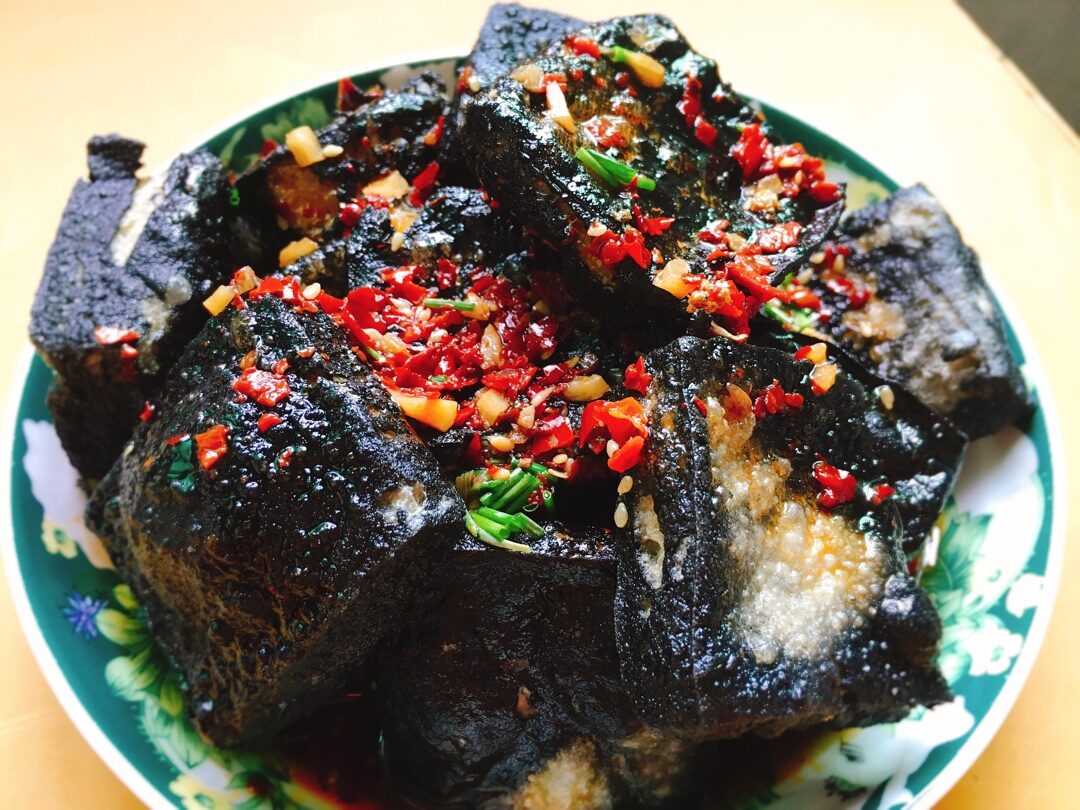
9. Stinky Tofu (臭豆腐) – ★★☆☆☆
Challenge level: High
What to expect:
- Pungent aroma that’s off-putting initially
- Fermented flavor that’s an acquired taste
- Crispy exterior, soft interior when fried properly
- Served with spicy sauce for dipping
Foreigner strategy:
- Try a small piece first
- Hold your breath for the first bite
- Focus on texture rather than smell
- Have drinks ready
Cost: ¥10-20 per serving
Success rate: About 30% among adventurous foreigners
Items to Avoid (Unless You’re Extremely Adventurous)
Dishes Most Foreigners Cannot Handle:
Chao Gan (炒肝) – ★☆☆☆☆
- Pig liver and intestines in thick starch sauce
- Extremely challenging texture and organ meat flavors
- Even adventurous eaters often can’t finish it
Lu Zhu (卤煮) – ★☆☆☆☆
- Pig intestines, lungs, and tofu in savory broth
- Overwhelming organ flavors and chewy textures
- Definitely not for the faint of heart
Sheep’s Head (羊头肉) – ★☆☆☆☆
- Literally sheep’s head sliced and served cold
- Extremely challenging for most Western palates
- Cultural experience but not culinary pleasure
Practical Dining Guide
Understanding Beijing Restaurant Types
Street Food Stalls (路边摊)
- Pros: Authentic, cheap, fast
- Cons: Language barrier, hygiene concerns, no English
- Best for: Adventurous eaters, quick snacks
- Average cost: ¥10-30 per item
Casual Restaurants (家常菜)
- Pros: Good value, local atmosphere, authentic flavors
- Cons: Limited English, basic decor
- Best for: Comfortable dining, group meals
- Average cost: ¥50-120 per person
Chain Restaurants (连锁店)
- Pros: Consistent quality, some English, clean facilities
- Cons: Less authentic, higher prices
- Best for: Safe choices, familiar standards
- Average cost: ¥80-200 per person
Upscale Restaurants (高档餐厅)
- Pros: English menus, excellent service, premium ingredients
- Cons: Expensive, may be too refined
- Best for: Special occasions, business meals
- Average cost: ¥300-1000+ per person
Smart Ordering Strategies
For First-Time Visitors:
- Start with familiar flavors (sweet and sour, mild spices)
- Order one dish per person plus rice
- Ask for recommendations using translation apps
- Share dishes family-style
- Keep it simple – don’t over-order
Essential Phrases:
- “Ni hao” (你好) – Hello
- “Wo yao zhe ge” (我要这个) – I want this
- “Bu yao la” (不要辣) – No spicy
- “Duo shao qian?” (多少钱?) – How much?
- “Qing jie zhang” (请结账) – Please bring the bill
Food Safety for Foreigners
Smart Choices:
- Eat where locals eat (high turnover = fresh food)
- Choose cooked foods over raw preparations
- Avoid street food on rainy days
- Drink bottled water or hot tea
- Trust your instincts – if it smells off, skip it
Red Flags:
- Empty restaurants during meal times
- Lukewarm food that should be hot
- Unusual smells or colors
- Flies or poor hygiene at preparation area
🚨 Food Emergency Guide
If you experience food poisoning:
- Mild symptoms: Drink hot water, rest, eat bland foods
- Severe symptoms: Call 120 (emergency) or go to hospital
- Language barrier: Use translation apps or hotel concierge
- Bring: Passport, insurance cards, hotel business card
Common symptoms:
- Nausea, vomiting, diarrhea – stay hydrated
- Fever, severe pain – seek medical attention immediately
- Allergic reactions – call emergency services
Useful apps:
- Youdao Translate: For medical terms
- Dianping: Restaurant reviews and ratings
- Baidu Maps: Hospital locations
Cultural Dining Etiquette
Table Manners
Essential etiquette:
- Wait for host to start eating or give permission
- Use chopsticks properly (never stick them upright in rice)
- Try everything offered to show respect
- Don’t clean your plate completely (shows there was abundance)
- Rotate lazy Susan clockwise
Payment culture:
- Politely insist on paying the bill as a gesture of respect
- Host typically pays in business situations
- Split bills becoming more common among younger people
- Tipping not expected but appreciated at upscale restaurants (10-15%)
Conversation Topics
Good topics:
- Food appreciation and questions about ingredients
- Travel experiences and cultural differences
- Compliments about the meal and restaurant
- Questions about Chinese culture and traditions
Avoid:
- Negative comments about the food or service
- Political topics or sensitive subjects
- Comparing Chinese food unfavorably to Western cuisine
- Waste or leaving large amounts of food
Budget Planning
Realistic Cost Expectations (Updated 2025)
Daily food budget:
- Budget traveler: ¥80-150 per day
- Mid-range comfort: ¥200-400 per day
- Upscale dining: ¥500-1000+ per day
Meal breakdown:
- Breakfast: ¥15-50 (street food to hotel)
- Lunch: ¥30-150 (casual to mid-range)
- Dinner: ¥80-500+ (depending on restaurant level)
- Snacks: ¥20-80 (throughout the day)
Money-saving tips:
- Lunch sets offer better value than dinner
- Group dining reduces per-person costs
- Avoid tourist areas for authentic pricing
- Use food delivery apps for convenience and deals
Seasonal Eating Calendar
Spring (March-May)
Highlights: Fresh vegetables, mild weather dining
Specialties: Spring onions, fresh bamboo shoots
Outdoor dining: Perfect weather for hutong restaurants
Summer (June-August)
Highlights: Cold noodles, refreshing drinks
Specialties: Chilled soups, frozen treats
Caution: Food safety more important in heat
Autumn (September-November)
Highlights: Crab season, roasted chestnuts
Specialties: Hairy crabs, seasonal fruits
Best time: Ideal weather for food tours
Winter (December-February)
Highlights: Hot pot season, warming dishes
Specialties: Hearty stews, preserved foods
Comfort foods: Perfect for indoor dining
Conclusion: Your Beijing Food Journey
Beijing’s culinary landscape offers incredible diversity, from internationally acclaimed dishes to challenging local specialties. The key to success is approaching it with realistic expectations, cultural respect, and gradual exploration.
Start with the universally loved dishes (Peking Duck, Jianbing, Xiaolongbao) and gradually work your way up to more challenging options. Remember that it’s perfectly fine to not like everything – even locals have preferences and limitations.
Most importantly, don’t let fear of the unknown prevent you from experiencing one of the world’s great food cultures. Beijing’s restaurants are increasingly foreigner-friendly, and locals appreciate visitors who show genuine interest in their culinary traditions.
Your Beijing food adventure should be about discovery, enjoyment, and cultural connection – not about proving how adventurous you are. Eat what you enjoy, respect what you don’t, and savor every moment of this incredible culinary journey.
Remember: The best meals in Beijing aren’t always the most exotic ones – they’re the ones that bring people together, create lasting memories, and help you understand this fascinating city and its people.