
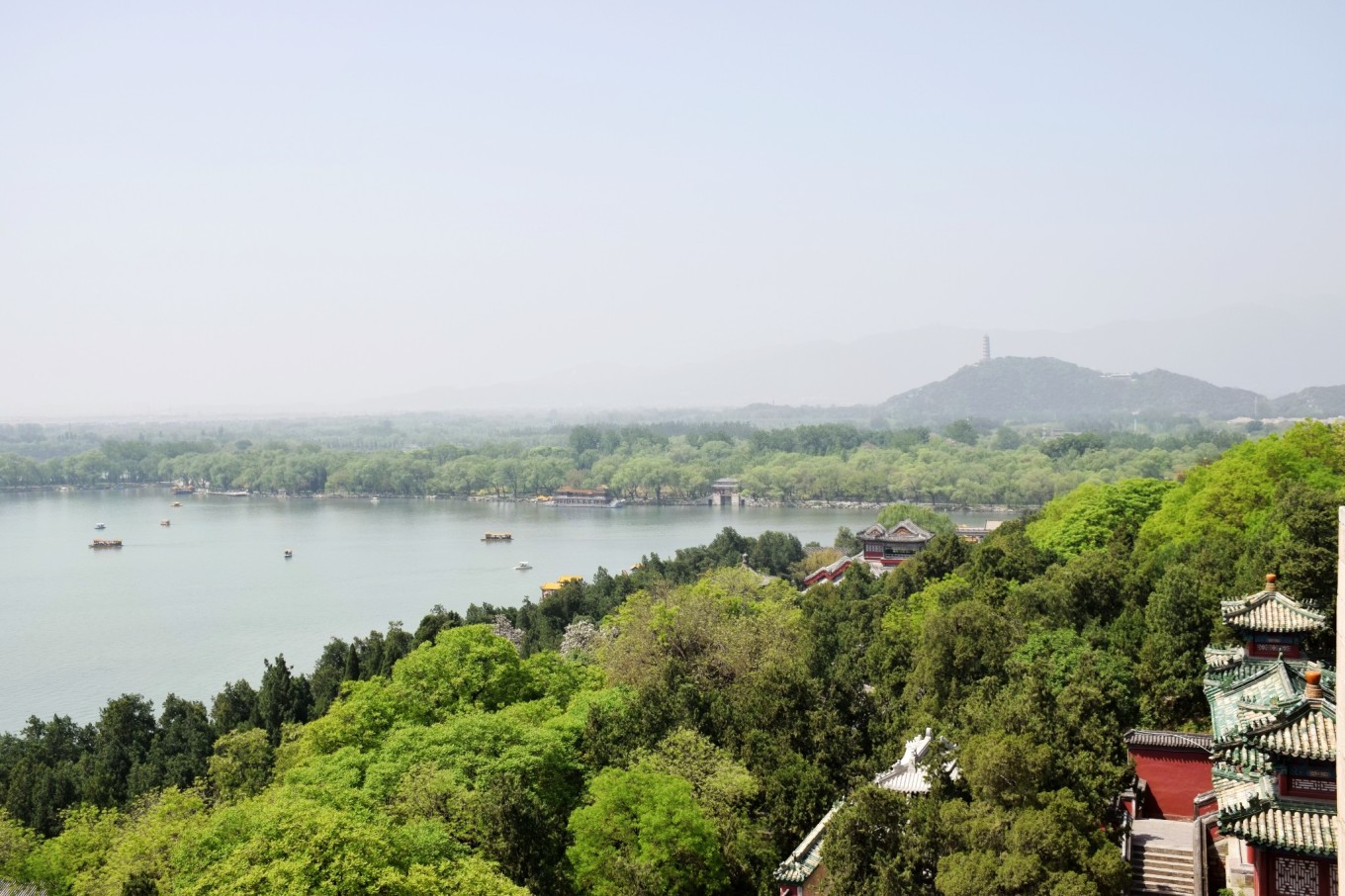
Discover the crown jewel of Chinese imperial gardens – where centuries of royal heritage, architectural mastery, and natural beauty converge in perfect harmony
World Heritage Recognition
UNESCO World Heritage Site: Beijing Imperial Gardens – Summer Palace
Prestigious Designations:
- World Cultural Heritage – Imperial Gardens of Beijing: Summer Palace
- China’s Four Famous Gardens – Premier classical garden
- National 5A Tourist Attraction – First batch designation
- National Key Cultural Heritage Site – First batch protection
Historical Overview
The Summer Palace (颐和园) stands as the pinnacle of Chinese imperial garden design, representing over 150 years of royal patronage and artistic evolution. Originally constructed as the Garden of Clear Ripples (清漪园), this magnificent complex has witnessed the rise and fall of dynasties while preserving the essence of Chinese landscape architecture.
A Tale of Destruction and Resurrection
The Summer Palace’s history is one of resilience and renewal:
- 1860: The original Garden of Clear Ripples was destroyed by Anglo-French forces during the Second Opium War
- 1884-1895: Empress Dowager Cixi ordered the garden’s reconstruction under Emperor Guangxu’s name
- 1998: Designated as a UNESCO World Heritage Site, recognizing its universal cultural value
Garden Layout and Design Philosophy
Three Distinct Functional Areas
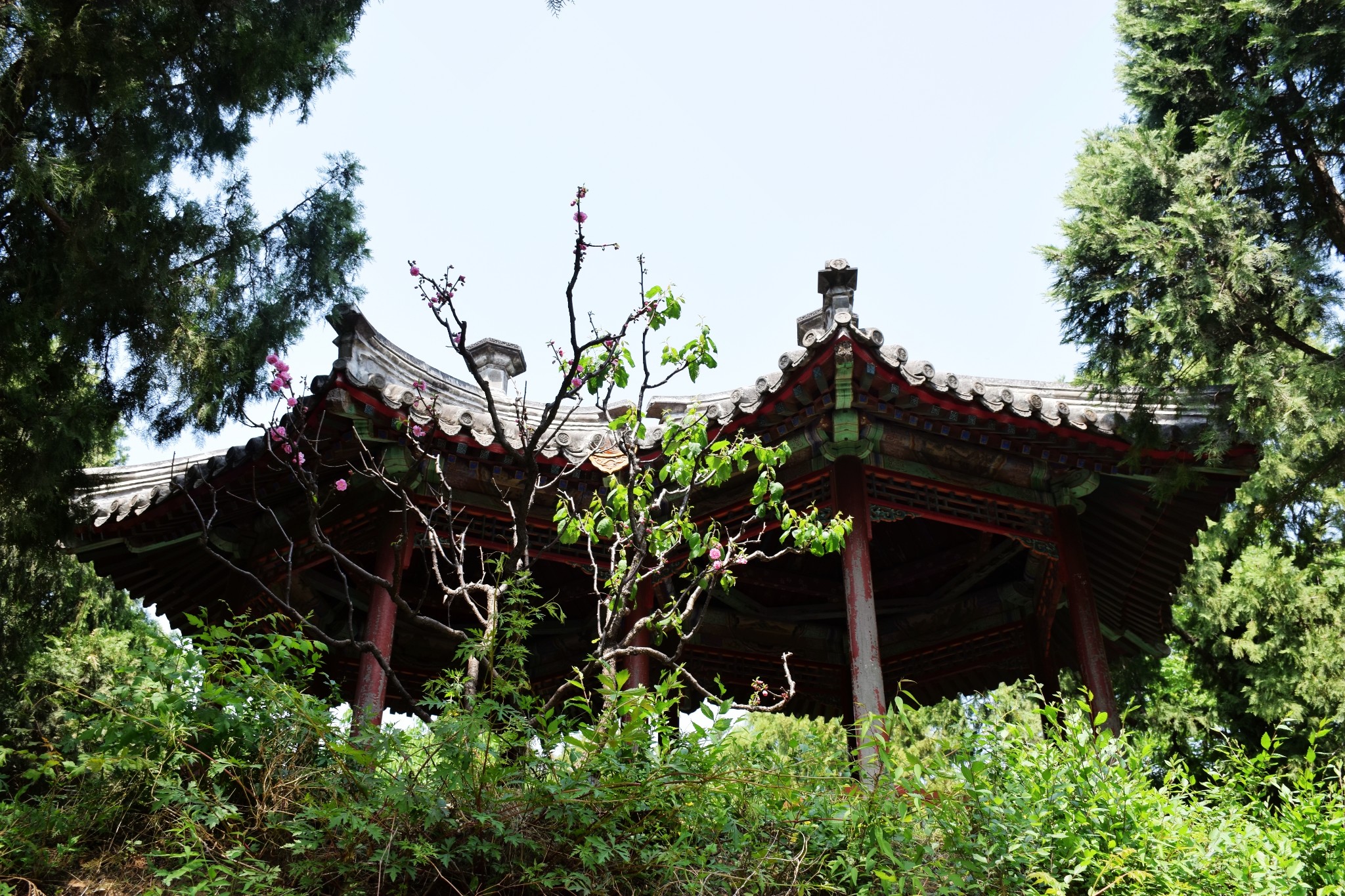
The Summer Palace exemplifies the Chinese philosophy of harmony between human creation and natural beauty, organized into three interconnected zones:
1. Political Activity Zone
- Center: Hall of Benevolence and Longevity (仁寿殿)
- Function: Imperial court ceremonies and state affairs
- Design: Formal architectural arrangements reflecting imperial authority
2. Imperial Residential Zone
- Main Buildings: Jade Ripples Hall (玉澜堂) and Hall of Joy and Longevity (乐寿堂)
- Function: Private quarters for the Emperor and Empress Dowager
- Character: Intimate spaces with refined decorative elements
3. Scenic Tourism Zone
- Features: Longevity Hill (万寿山) and Kunming Lake (昆明湖)
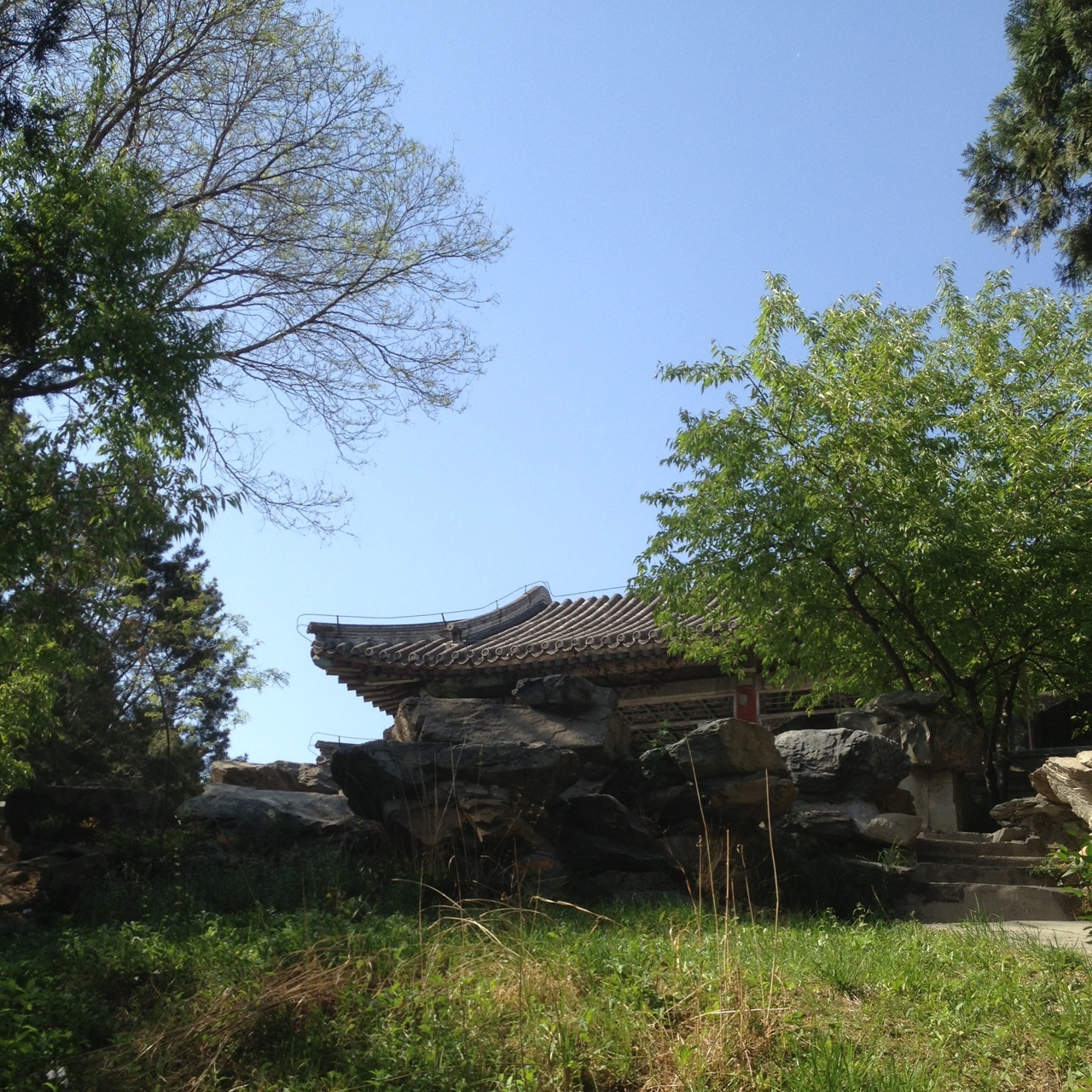
- Design: Landscape gardens with pavilions, temples, and water features
- Purpose: Recreation, contemplation, and aesthetic pleasure
Major Attractions and Architectural Highlights
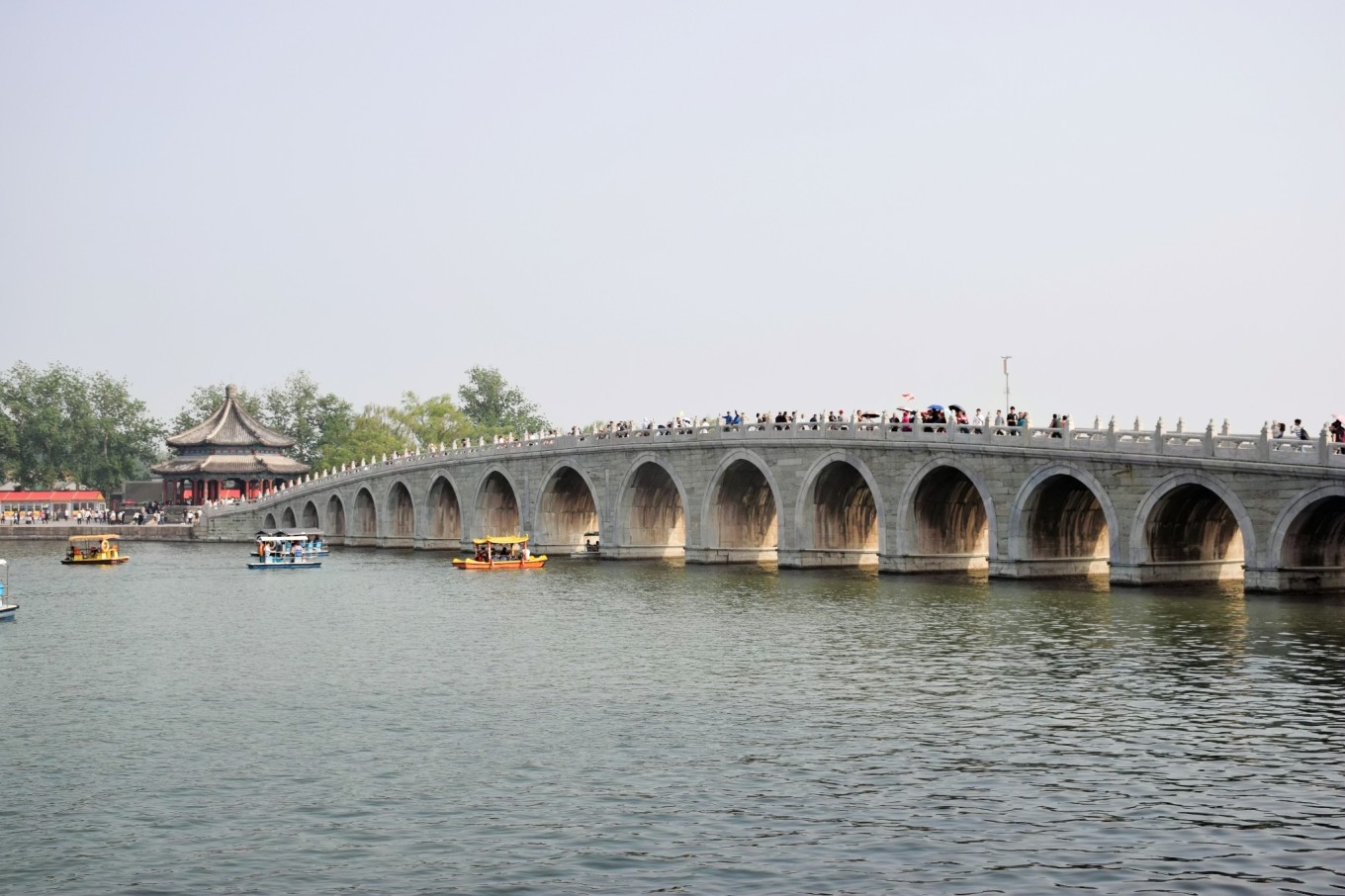
Kunming Lake (昆明湖)
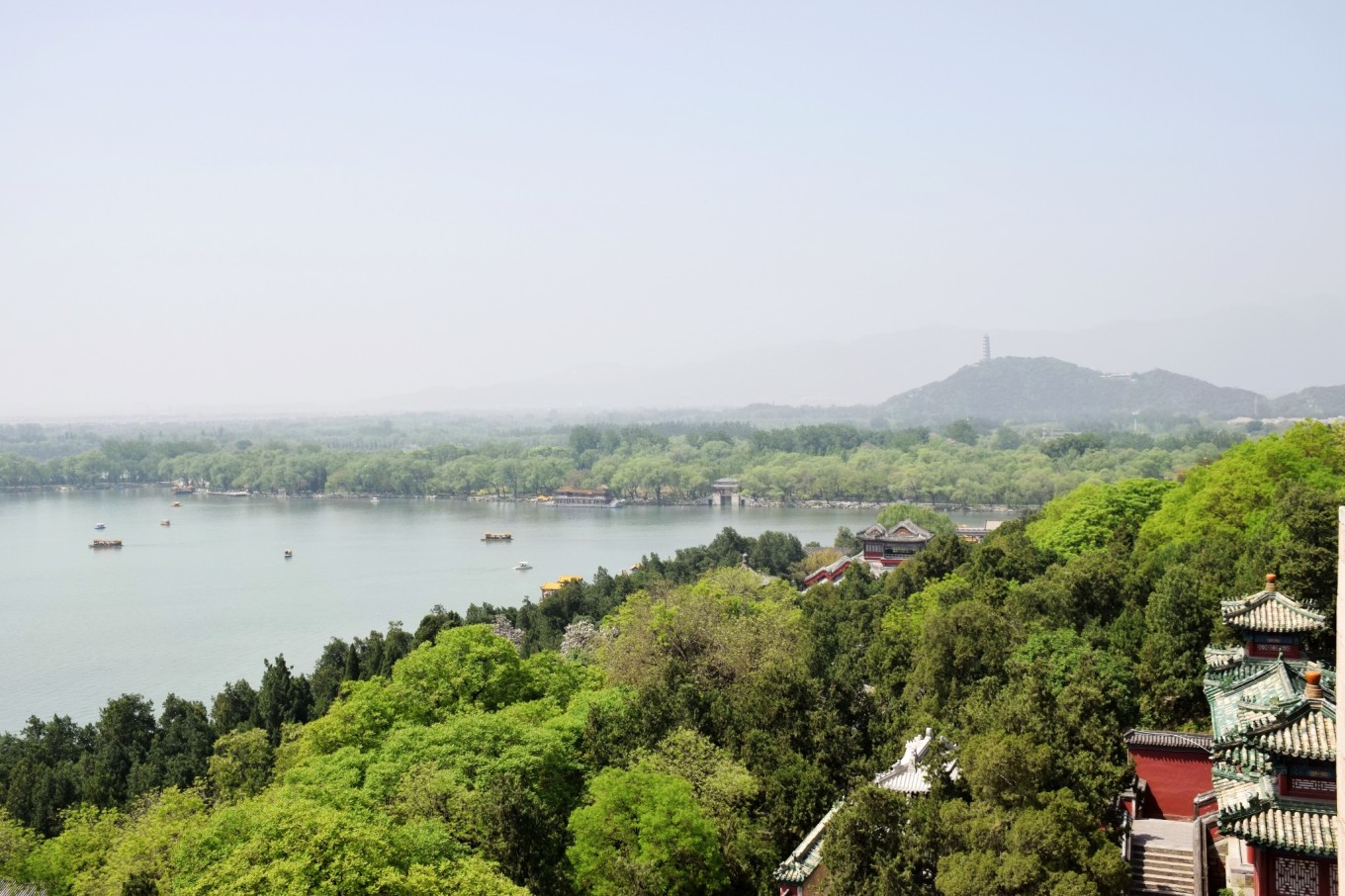
The heart of the Summer Palace, covering three-quarters of the total area. This vast artificial lake serves as the garden’s focal point, reflecting the sky and surrounding architecture while providing space for imperial boat excursions.
Key Features:
- Surface Area: 220 hectares of pristine water
- Design: Inspired by West Lake in Hangzhou
- Function: Cooling the microclimate and creating scenic vistas
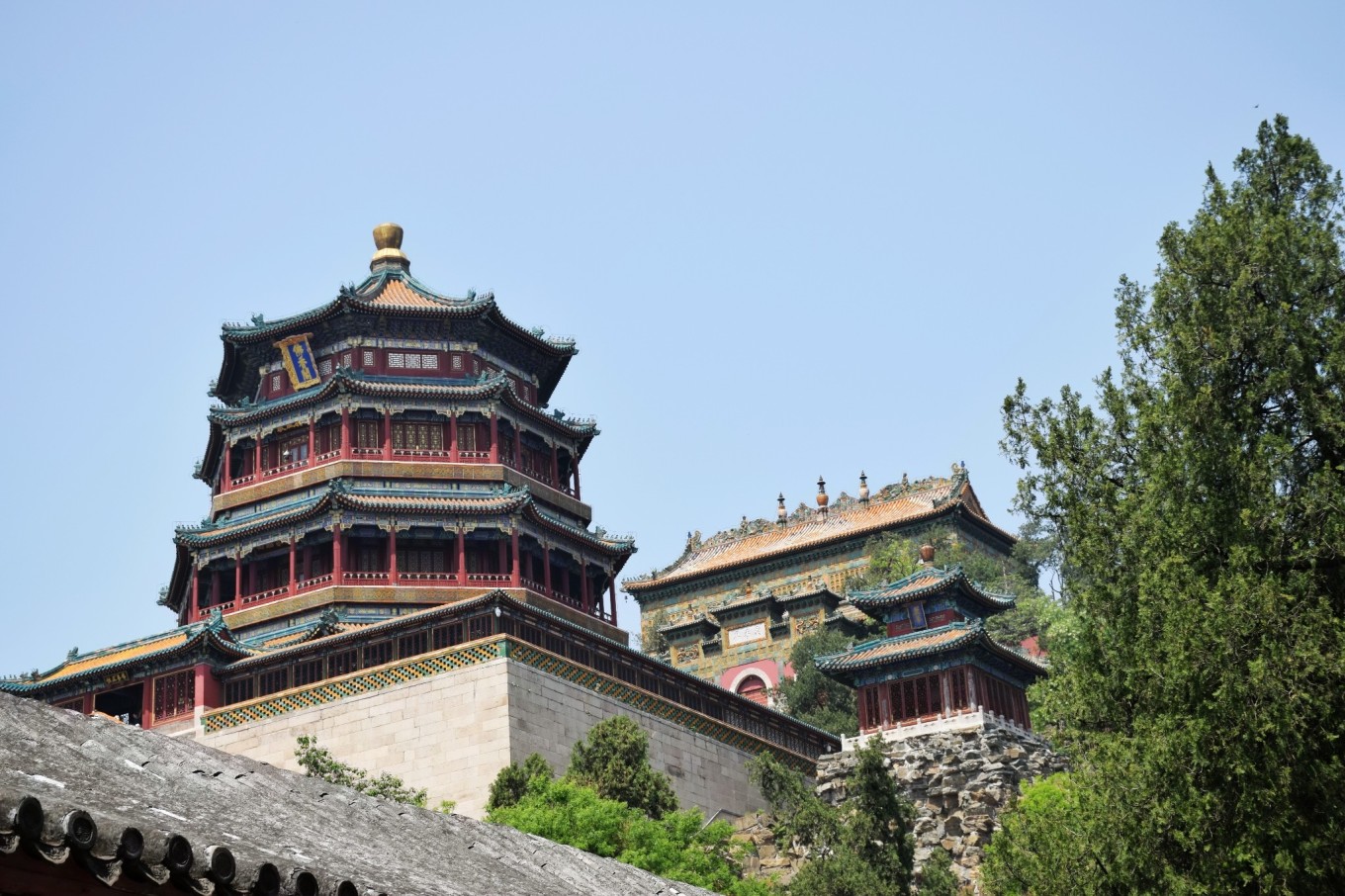
Tower of Buddhist Incense (佛香阁)
Rising 41 meters above Longevity Hill, this iconic octagonal tower dominates the Summer Palace skyline and serves as the garden’s spiritual center.
Architectural Significance:
- Height: 41 meters of traditional Chinese timber construction
- Design: Three-story octagonal tower with intricate bracket systems
- Purpose: Buddhist worship and panoramic viewing platform
- Symbolism: Connection between earthly and divine realms
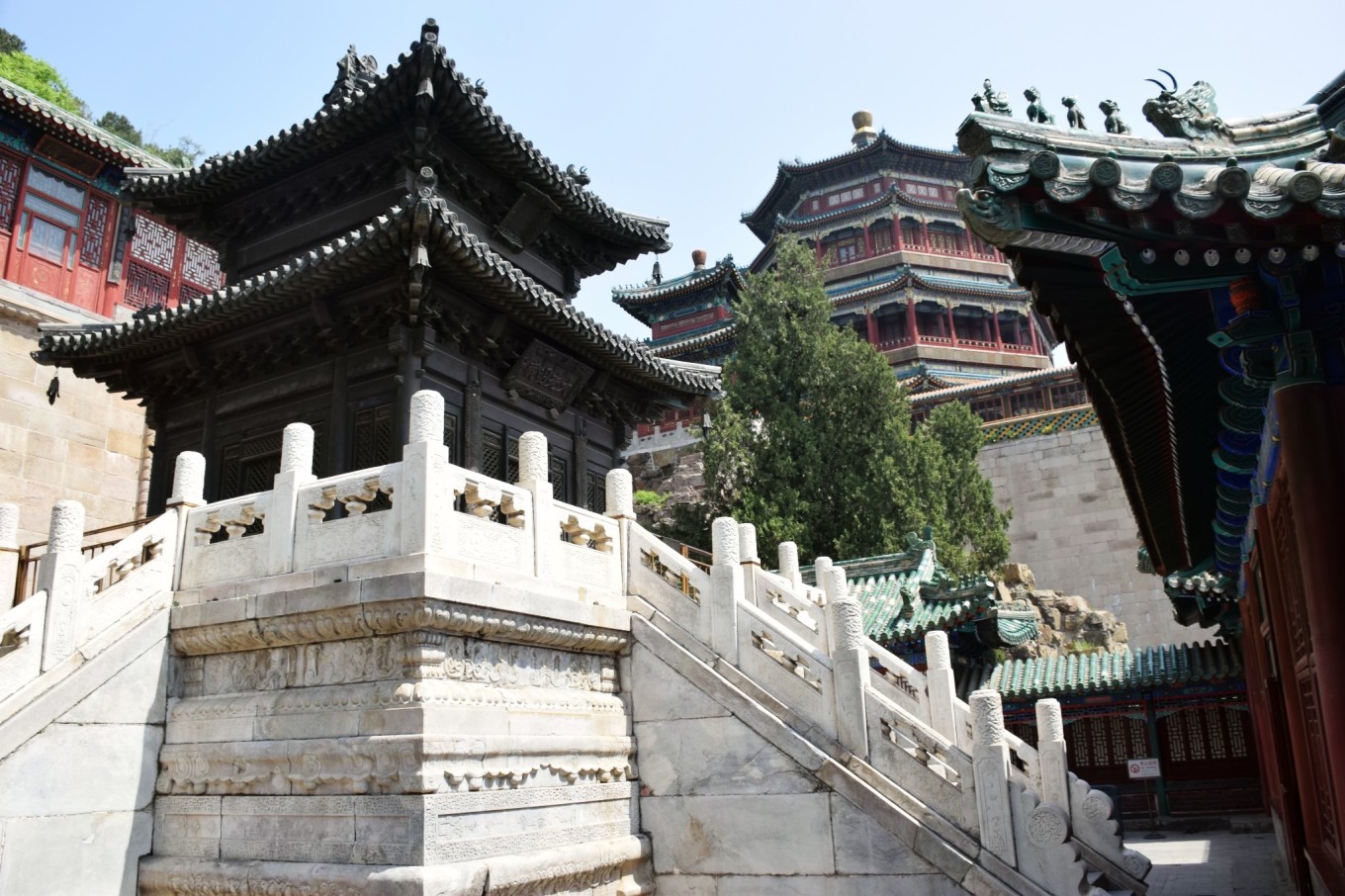
Bronze Pavilion (宝云阁)
A remarkable architectural achievement, this pavilion is entirely constructed from bronze, weighing an astounding 207 tons.
Technical Marvel:
- Material: 207 tons of bronze construction
- Craftsmanship: Intricate casting and assembly techniques
- Preservation: Represents peak Qing Dynasty metallurgy
- Significance: Symbol of imperial wealth and technological mastery
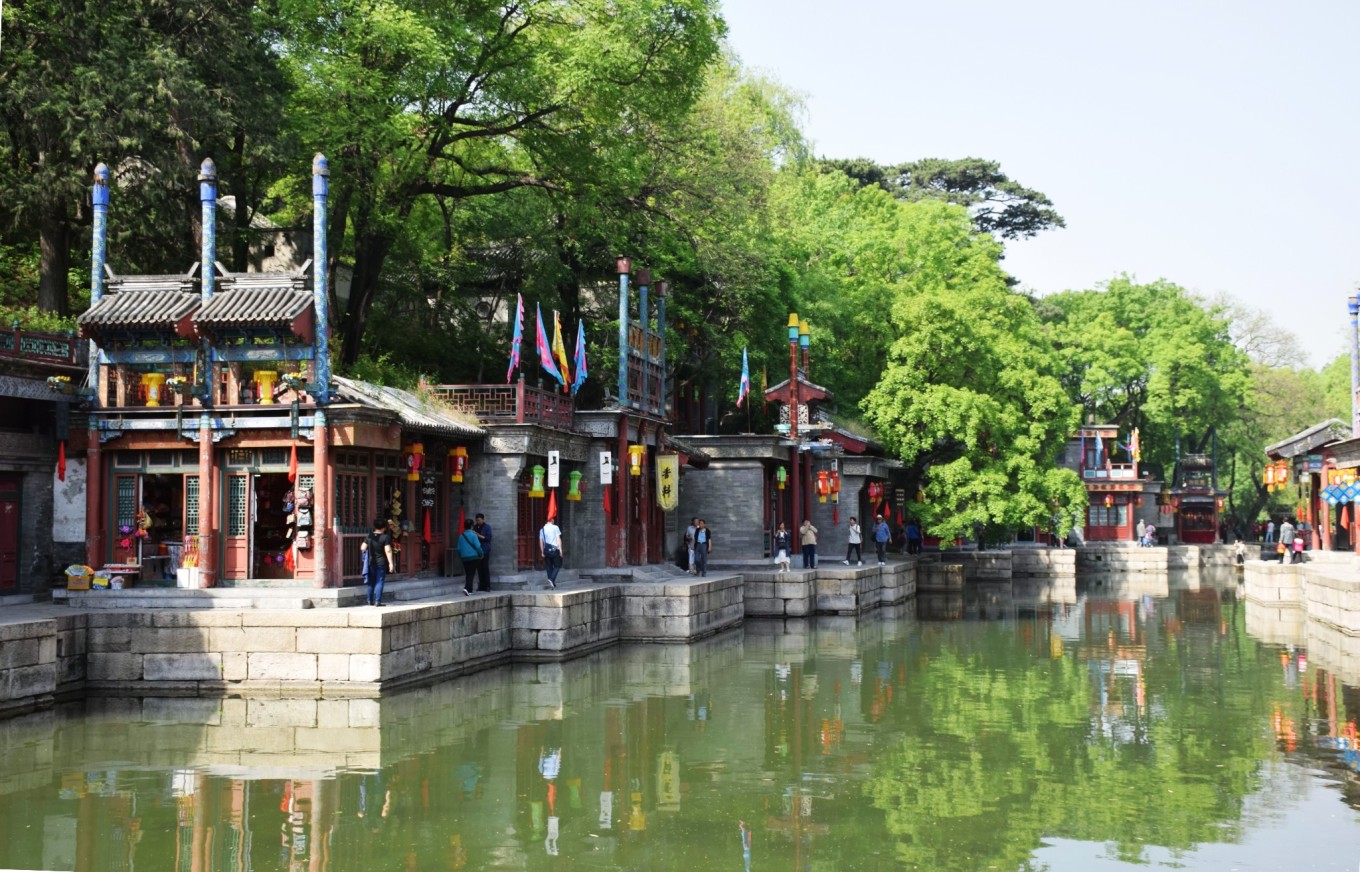
Suzhou Street (苏州街)
A recreated Jiangnan water town within the imperial garden, representing the Empress Dowager’s fascination with southern Chinese culture.
Cultural Experience:
- Design: Authentic reproduction of Suzhou’s historic commercial districts
- Function: Palace market for imperial entertainment
- Architecture: Traditional white walls and gray tiles
- Activities: Demonstrations of traditional crafts and commerce
Wisdom Sea Temple (智慧海)
An extraordinary example of arch construction, this temple was built entirely without wooden beams, showcasing advanced Chinese engineering.
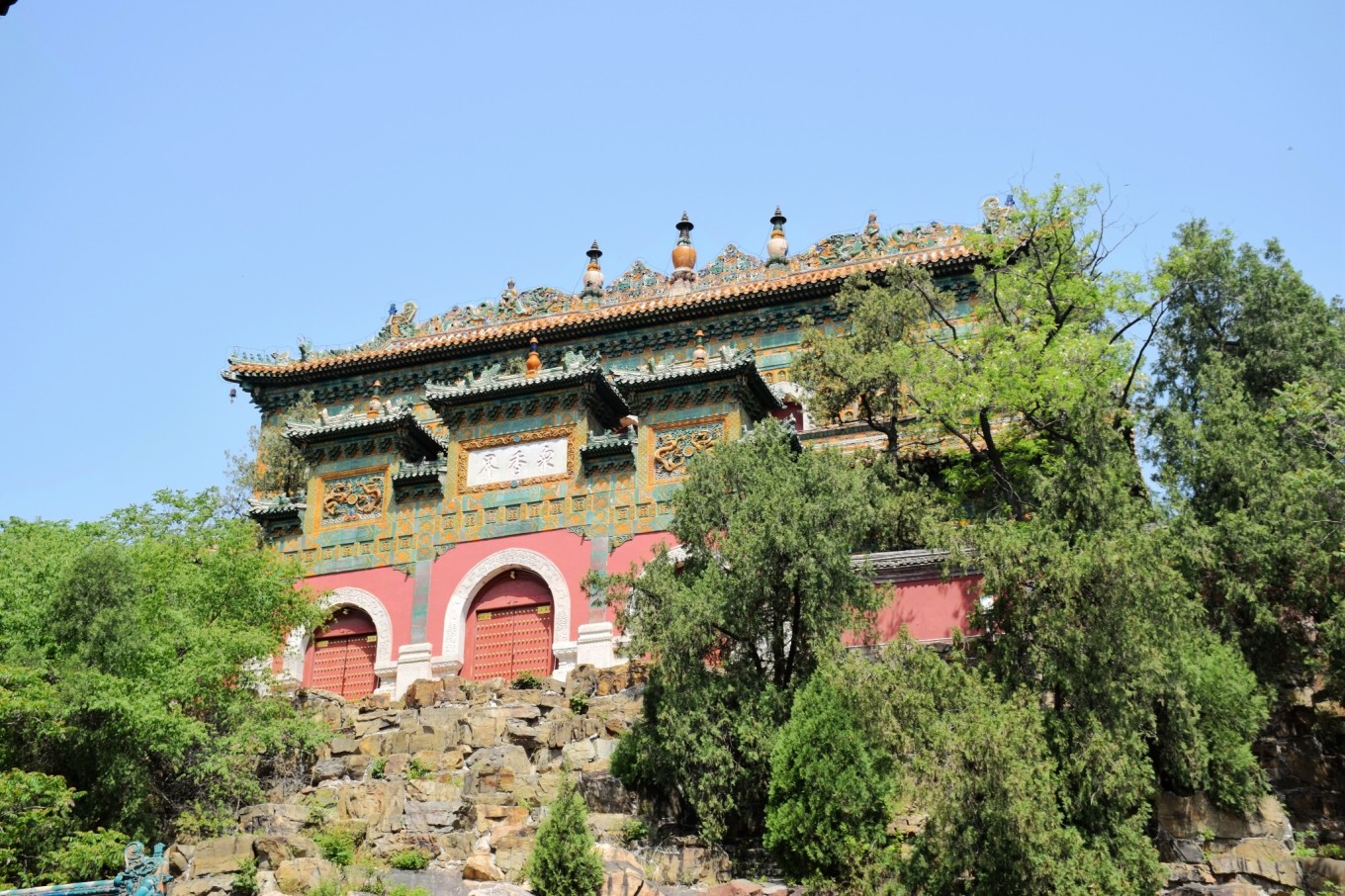
Engineering Innovation:
- Construction: Beamless arch architecture
- Materials: Brick and stone masonry
- Durability: Earthquake-resistant design principles
- Spirituality: Buddhist meditation and worship space
Four Great Regions (四大部洲)
A unique complex representing the Buddhist cosmos, featuring Tibetan Buddhist architectural elements within a Han Chinese garden.
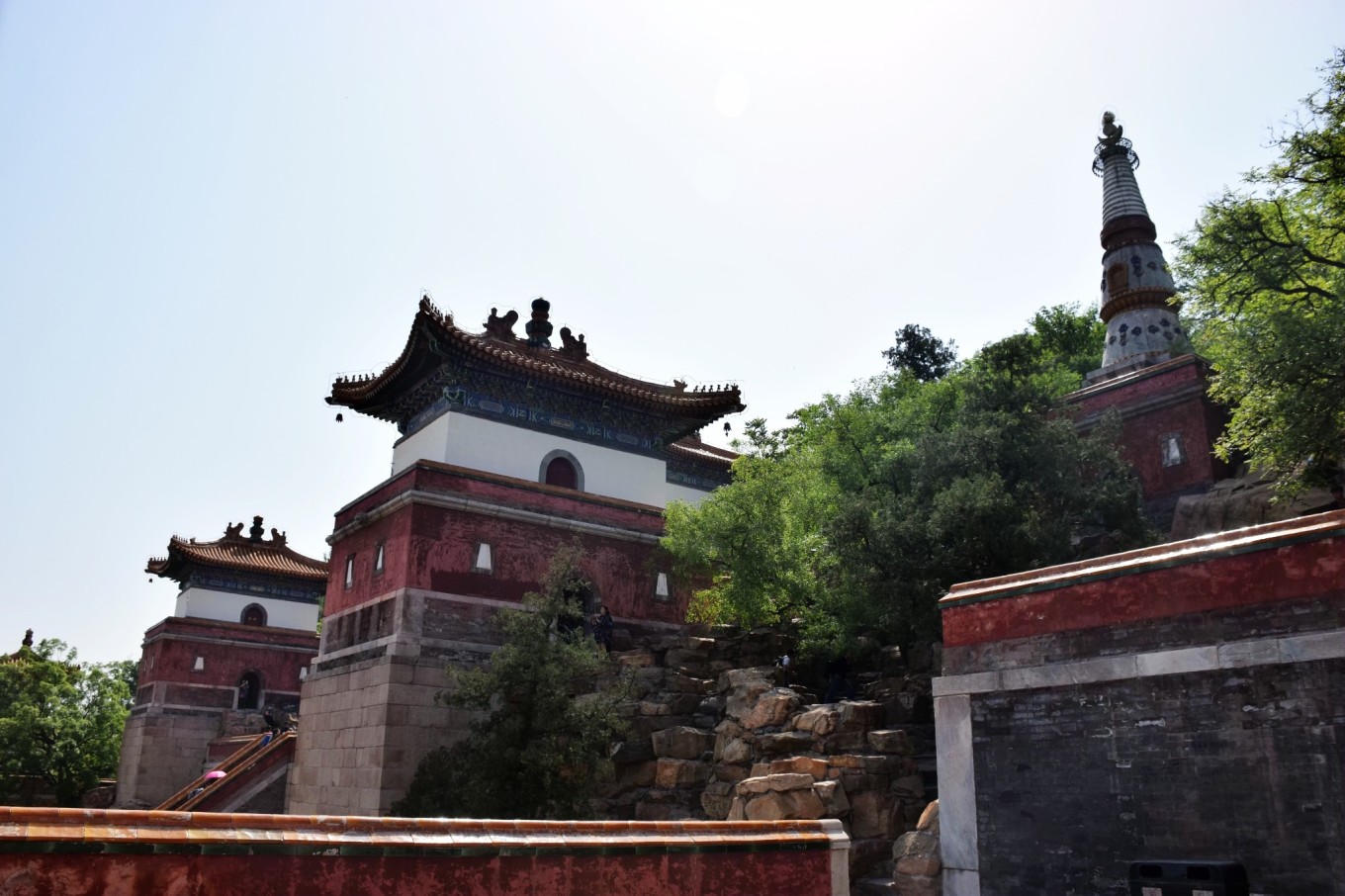
Spiritual Significance:
- Concept: Buddhist cosmological representation
- Architecture: Blend of Tibetan and Han styles
- Purpose: Religious ceremonies and cultural exchange
- Design: Four temples representing the cardinal directions
Hall of Joy and Longevity (乐寿堂)
The Empress Dowager Cixi’s primary residence, showcasing imperial luxury and refined taste.
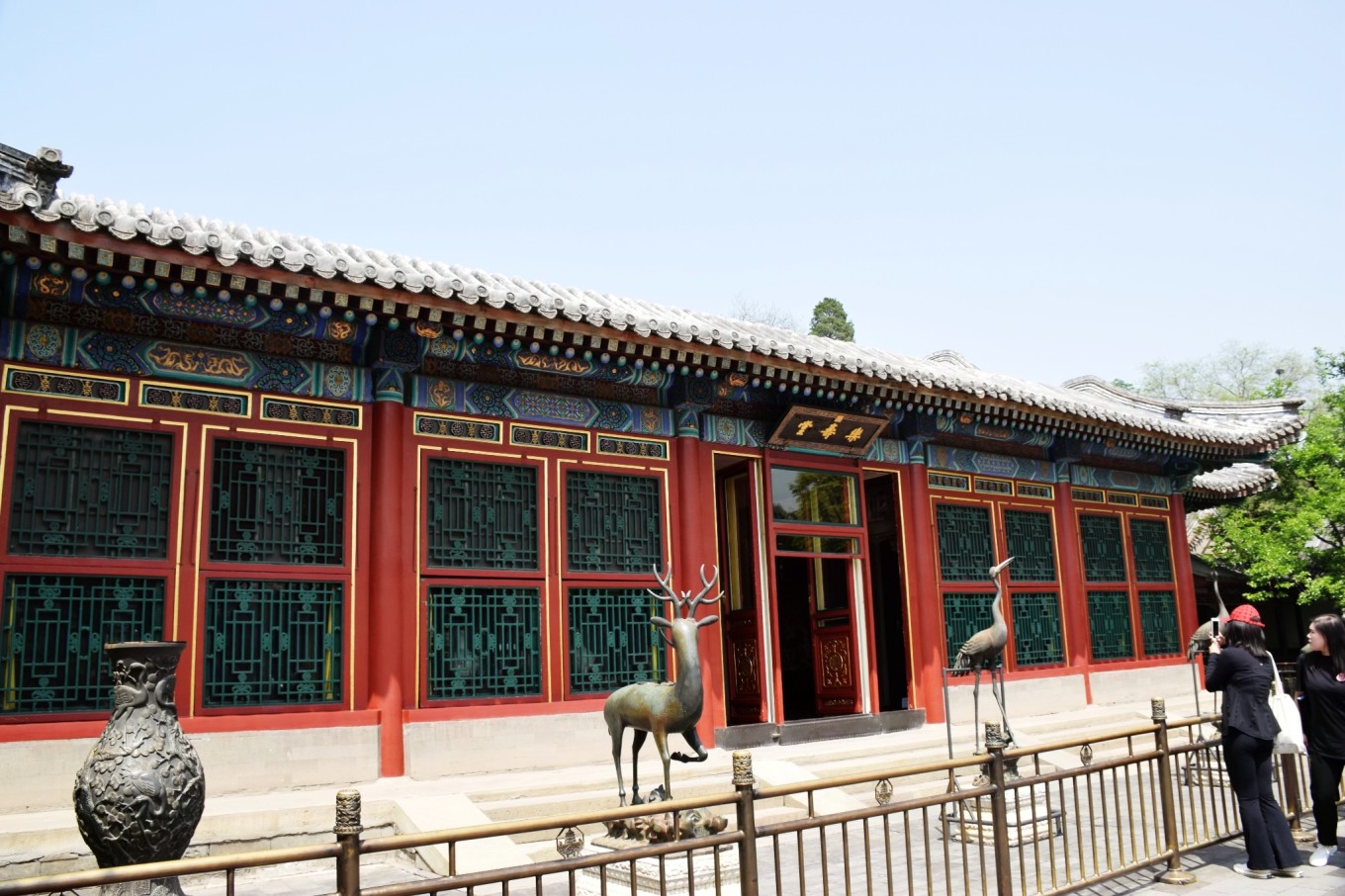
Imperial Lifestyle:
- Function: Cixi’s main living quarters
- Decoration: Precious artifacts and imperial furnishings
- Gardens: Private courtyard gardens
- Significance: Center of late Qing Dynasty power
Visitor Information
Opening Hours
Summer Season (April 1 – October 31):
- Garden: 6:30 AM – 6:00 PM
- Attractions: 8:30 AM – 5:00 PM
Winter Season (November 1 – March 31):
- Garden: 7:00 AM – 5:00 PM
- Attractions: 9:00 AM – 4:00 PM
Ticket Prices
- Summer: ¥30 (Garden) + ¥20 (Attractions) = ¥50 total
- Winter: ¥20 (Garden) + ¥20 (Attractions) = ¥40 total
- Annual Pass: Available for frequent visitors
- Student Discounts: 50% off with valid student ID
Transportation
Subway:
- Line 4: Beigongmen Station (北宫门站) – North Gate entrance
- Line 4: Xiyuan Station (西苑站) – East Gate entrance
Bus Routes:
- Routes 330, 331, 332, 346, 394, 712, 718, 801, 808
- Multiple stops serving different garden entrances
Seasonal Highlights
Spring (March-May)
- Blooming Season: Cherry blossoms, peonies, and wisteria
- Weather: Mild temperatures, perfect for walking
- Photography: Colorful flower displays throughout the garden
Summer (June-August)
- Lotus Season: Kunming Lake covered with blooming lotus flowers
- Activities: Boat rides and early morning exercises
- Climate: Natural cooling from the lake
Autumn (September-November)
- Foliage: Golden and red autumn leaves create stunning landscapes
- Comfort: Ideal weather conditions for extended visits
- Festivals: Traditional Chinese autumn celebrations
Winter (December-February)
- Ice Scenery: Frozen Kunming Lake creates unique winter vistas
- Serenity: Peaceful atmosphere with fewer crowds
- Architecture: Building details more visible without foliage
Nearby Attractions
Beijing Natural History Museum
Distance: 15 minutes by subway
Highlights: Extensive paleontology and natural science collections
Taoranting Park
Distance: 20 minutes by public transport
Features: Traditional Chinese garden design and cultural activities
Tiananmen Square and Forbidden City
Distance: 45 minutes by subway
Significance: UNESCO World Heritage Sites and imperial palace complex
Deyun Society
Distance: 30 minutes by taxi
Culture: Traditional Chinese crosstalk performances
Photography Tips
Best Viewpoints
- Tower of Buddhist Incense: Panoramic garden views
- Seventeen-Arch Bridge: Classic Summer Palace composition
- Long Corridor: Perspective shots through painted galleries
- Marble Boat: Unique architectural photography opportunity
Golden Hour Locations
- Sunrise: East shore of Kunming Lake
- Sunset: West mountain backdrop behind Longevity Hill
Seasonal Specialties
- Spring: Wisteria cascades along corridors
- Summer: Lotus flowers in lake bays
- Autumn: Reflected foliage in still water
- Winter: Frosted architecture and bare tree silhouettes
Cultural Significance
Garden Design Philosophy
The Summer Palace represents the pinnacle of Chinese “borrowed scenery” (借景) technique, where distant mountains become part of the garden composition. This reflects the Taoist principle of harmony between human creation and natural beauty.
Imperial Legacy
As the last great imperial garden complex, the Summer Palace preserves the aesthetic values and lifestyle of China’s final dynasty. Every architectural element reflects centuries of refined taste and cultural evolution.
World Heritage Value
UNESCO recognition acknowledges the Summer Palace as an outstanding example of Chinese landscape garden design that has influenced garden architecture worldwide. Its preservation ensures that future generations can experience this masterpiece of human creativity.
Planning Your Visit
Recommended Duration
- Half Day: Main attractions and lake area (3-4 hours)
- Full Day: Comprehensive exploration including all temples and gardens (6-8 hours)
- Multiple Visits: Seasonal variations warrant return visits
Essential Items
- Comfortable Walking Shoes: Extensive ground to cover
- Camera: Countless photographic opportunities
- Water and Snacks: Limited food options within the garden
- Weather Protection: Sun hat or umbrella depending on season
Guided Tours
Professional guides available in multiple languages to enhance understanding of historical and cultural significance. Audio guides also available for self-guided exploration.
The Summer Palace stands as a testament to the enduring beauty of Chinese imperial garden design. Here, visitors don’t merely observe history—they experience the aesthetic values and spiritual harmony that defined an empire. This is more than a tourist destination; it’s a journey into the soul of Chinese culture.
Experience the Summer Palace – Where Imperial Dreams Become Eternal Beauty