
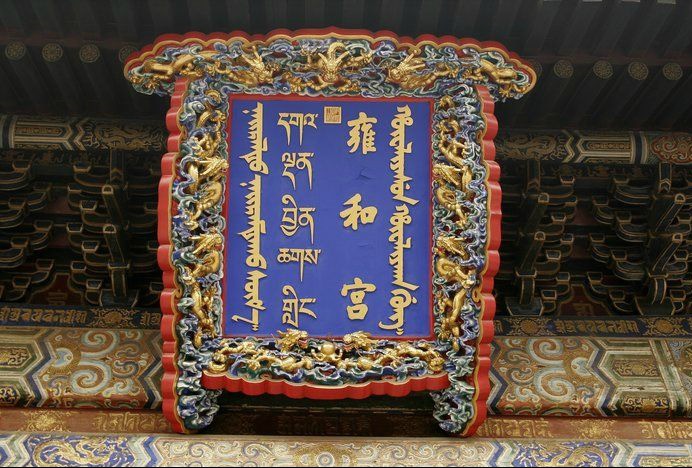
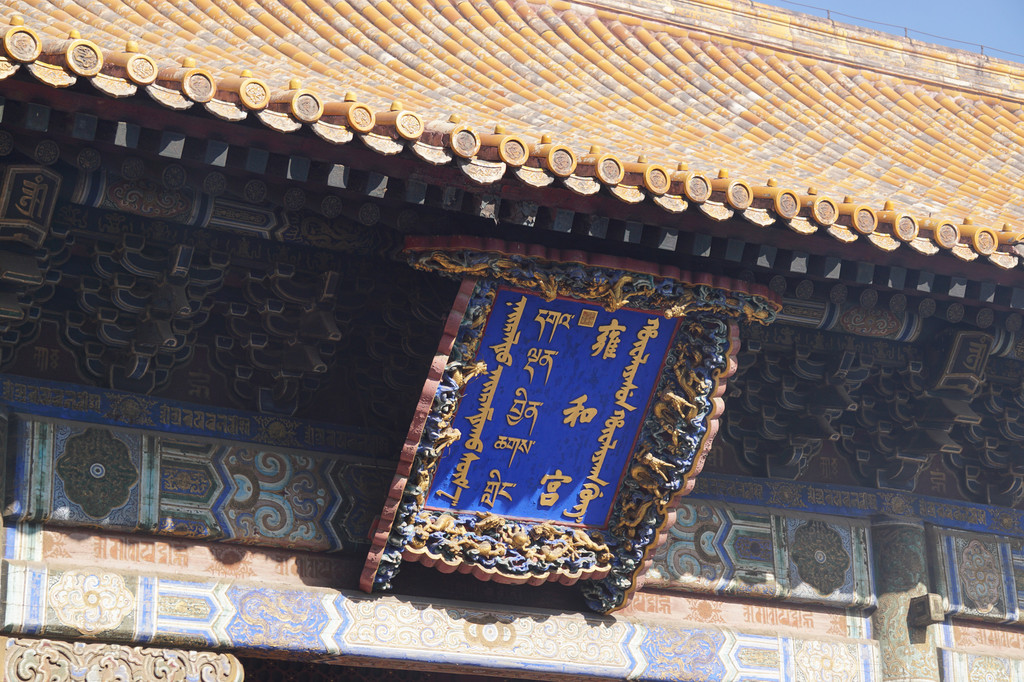
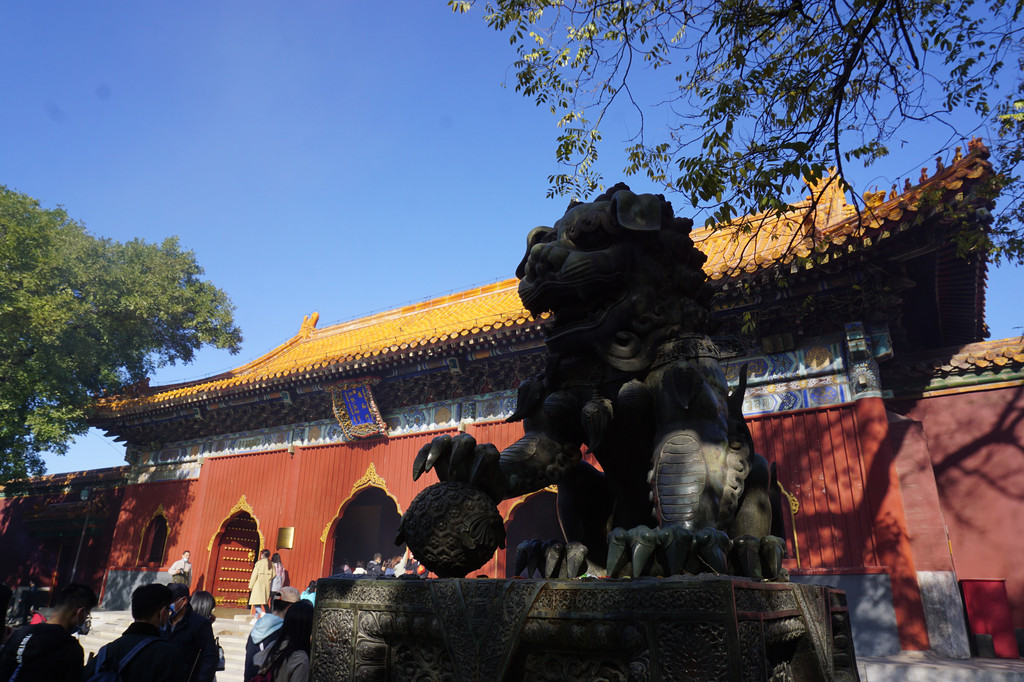
Lama Temple stands as one of Beijing’s most extraordinary religious sites—a rare imperial Tibetan Buddhist monastery belonging to the Gelug school (known as the “Yellow Hat” sect) right in the heart of the capital.
A Palace That Became a Temple
What makes this temple truly remarkable is its fascinating imperial origins:
- Originally: The luxurious residential palace of Yinzhen, the fourth son of Emperor Kangxi
- Later became: Emperor Yongzheng after ascending to the throne
- Historical significance: The birthplace of Emperor Qianlong, one of China’s most celebrated rulers
From Imperial Residence to Sacred Monastery
The transformation from imperial residence to Buddhist monastery occurred when the palace was converted into a Yellow Hat temple, creating a unique fusion of:
- Imperial Chinese grandeur
- Tibetan Buddhist spirituality
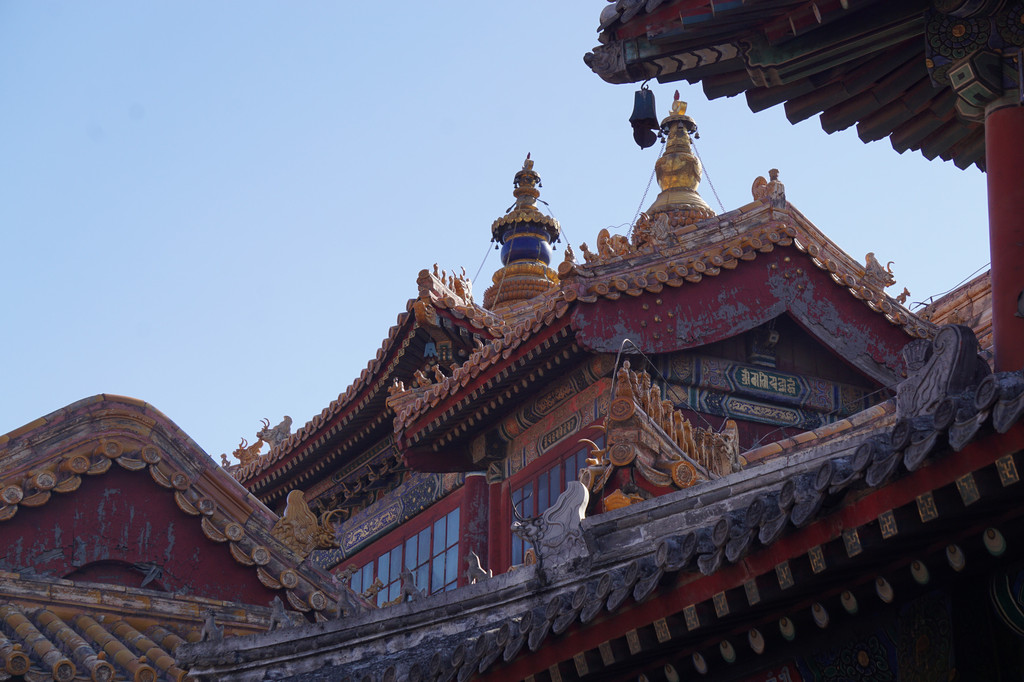
- Architectural masterpiece
Why Visit Lama Temple Today?
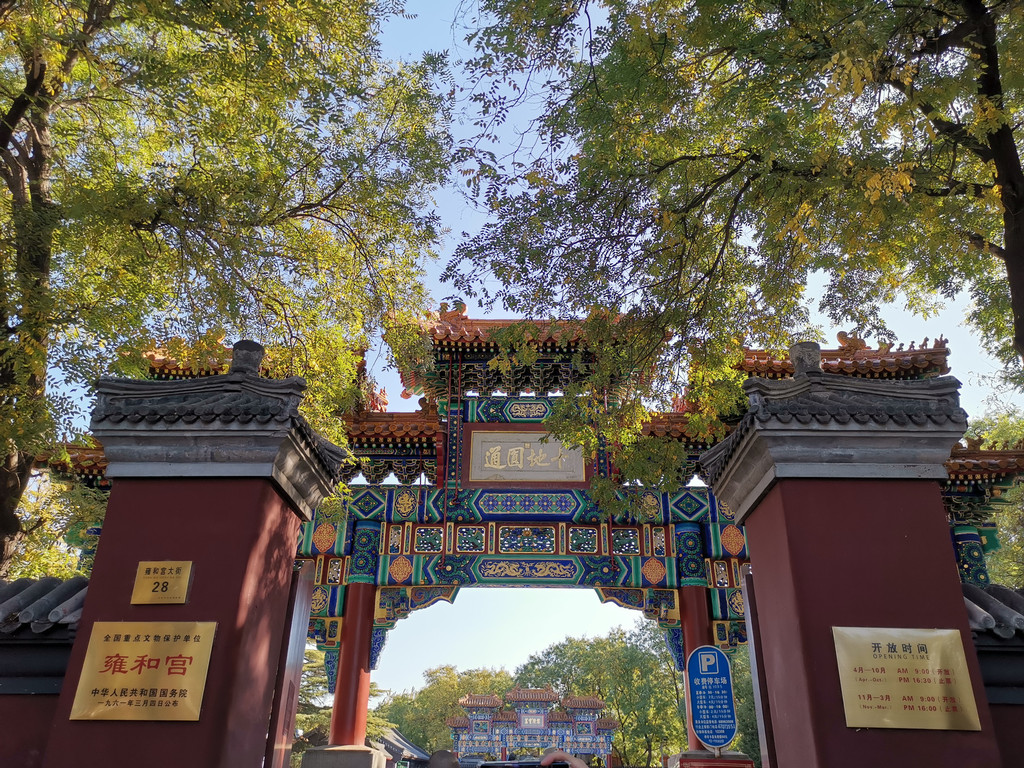
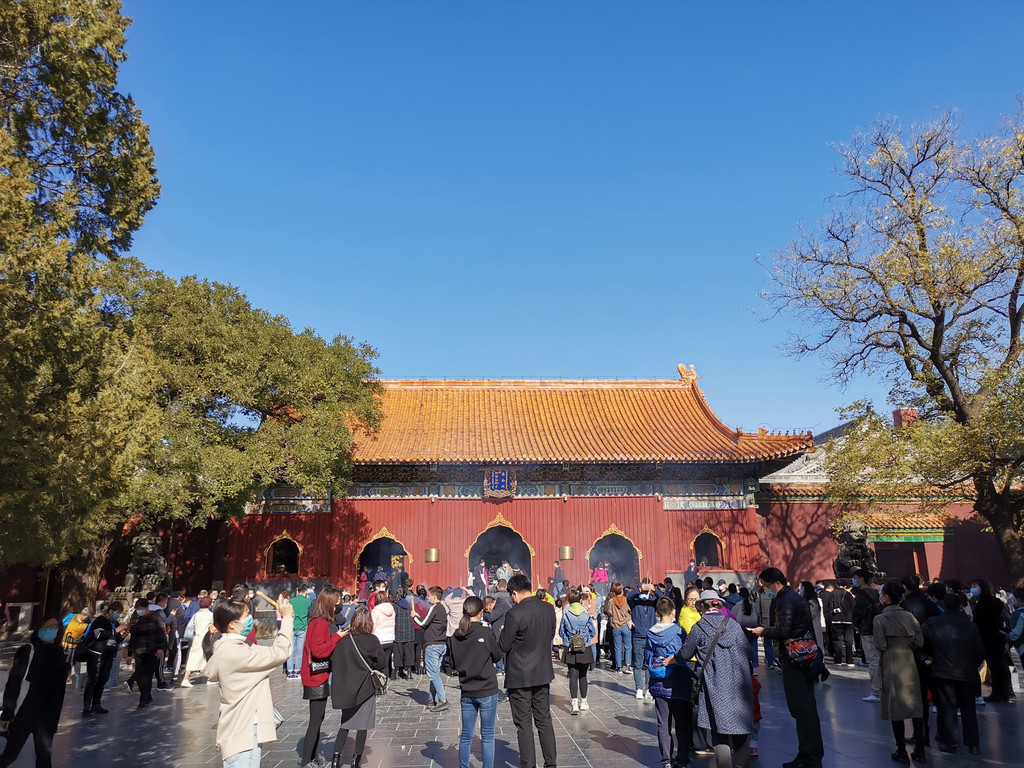
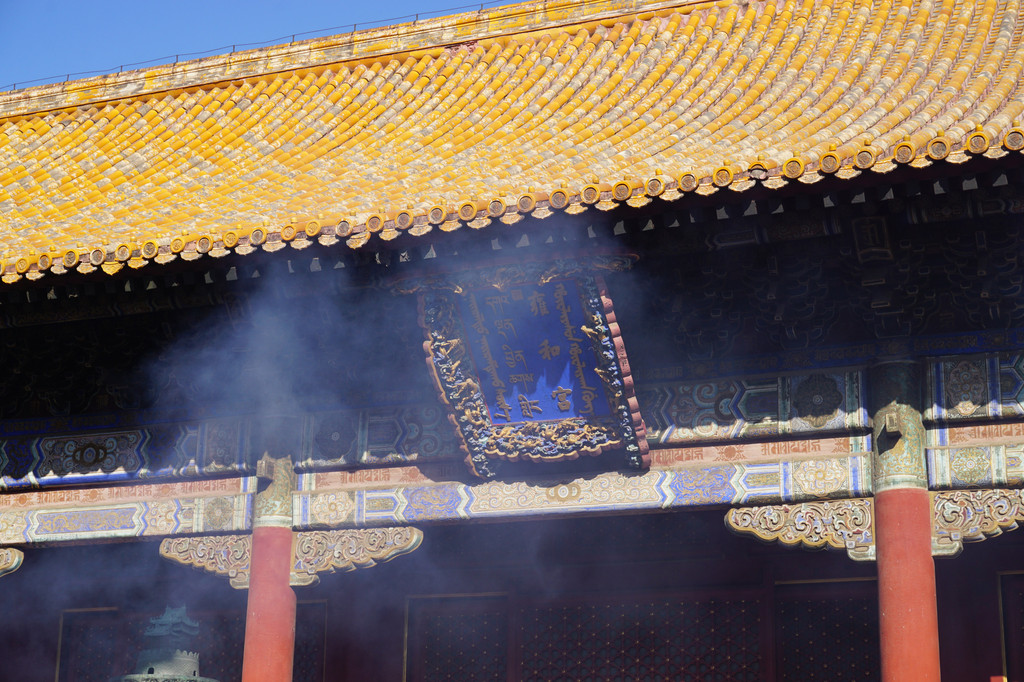
Today, Lama Temple remains one of Beijing’s most active religious centers, with incense smoke perpetually rising from its courtyards as devoted worshippers come to pray for blessings and good fortune.
What You’ll Discover
The temple houses an incredible collection of:
- Ancient architectural treasures
- Priceless religious artifacts
- Rare Tibetan Buddhist art
- Imperial historical relics
As someone who has explored countless temples across China, I can confidently say that Lama Temple offers a completely unique experience that you won’t find anywhere else in the world—making it an essential destination for anyone seeking to understand both the spiritual heritage and imperial history of Beijing.
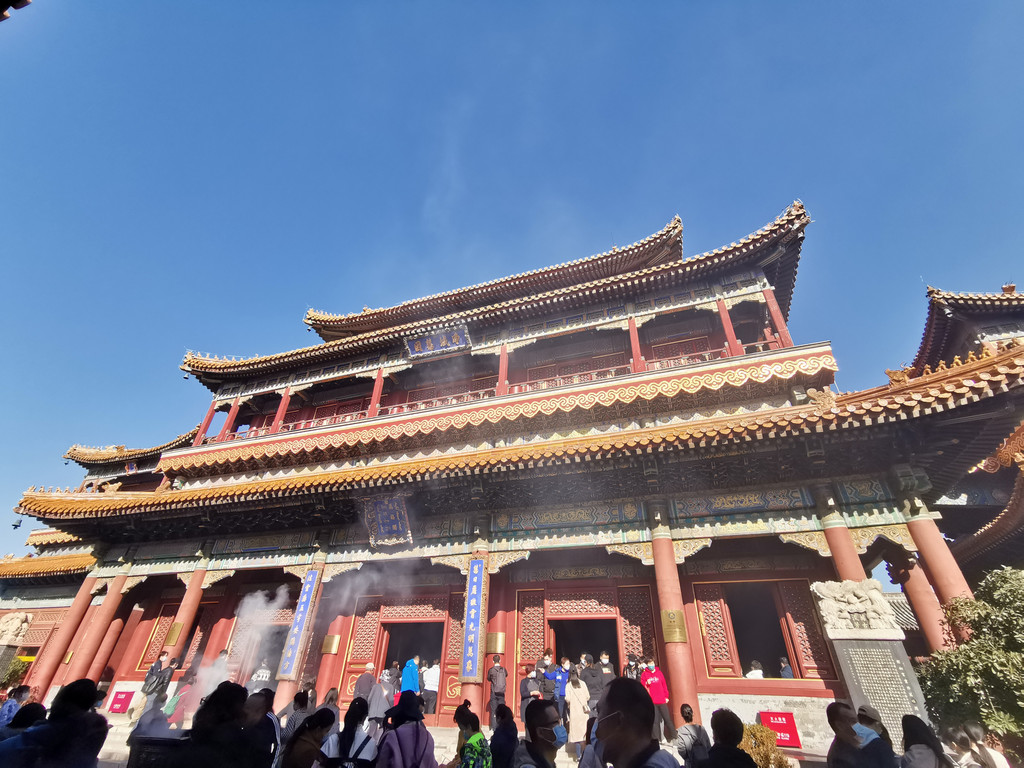
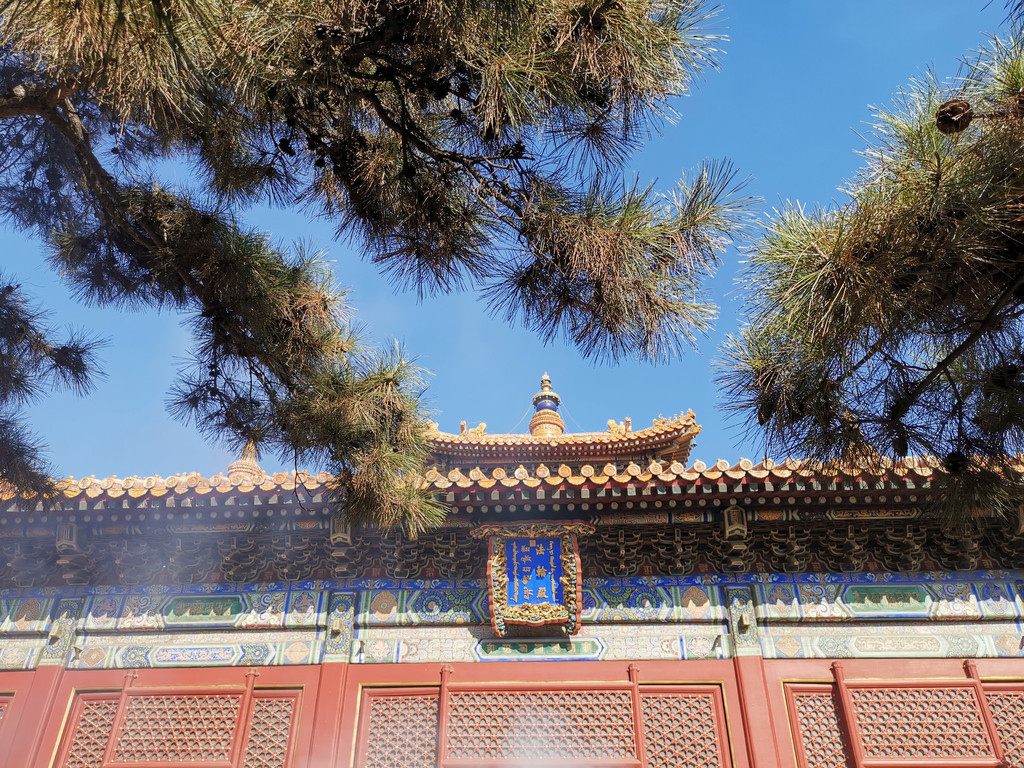
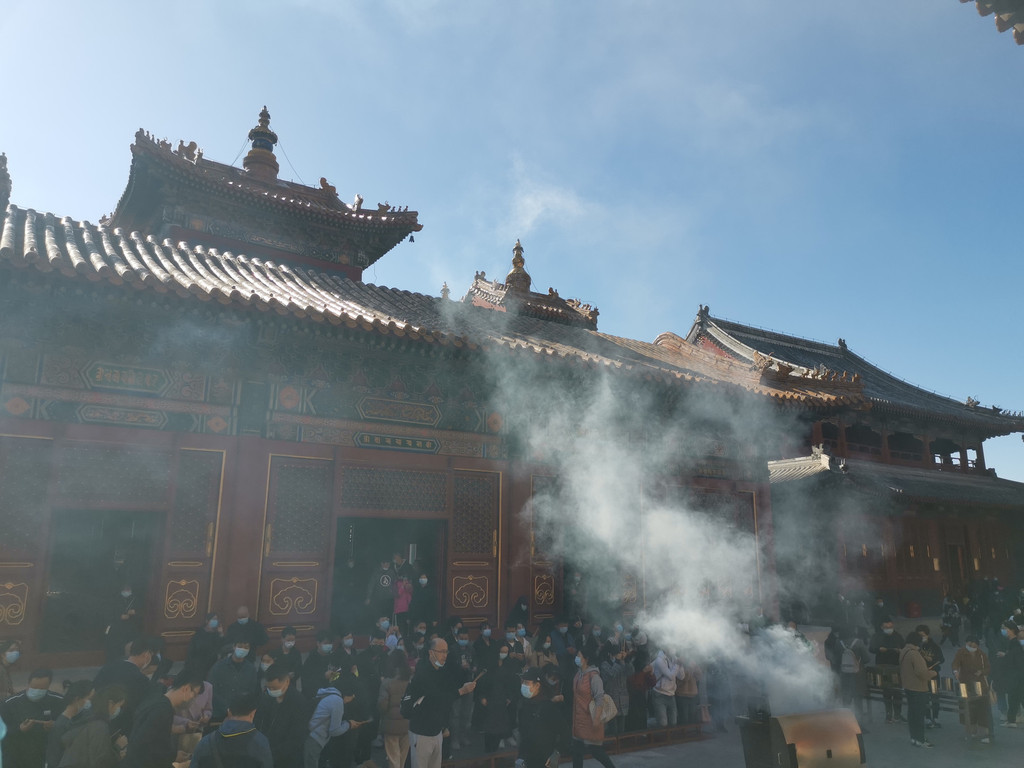
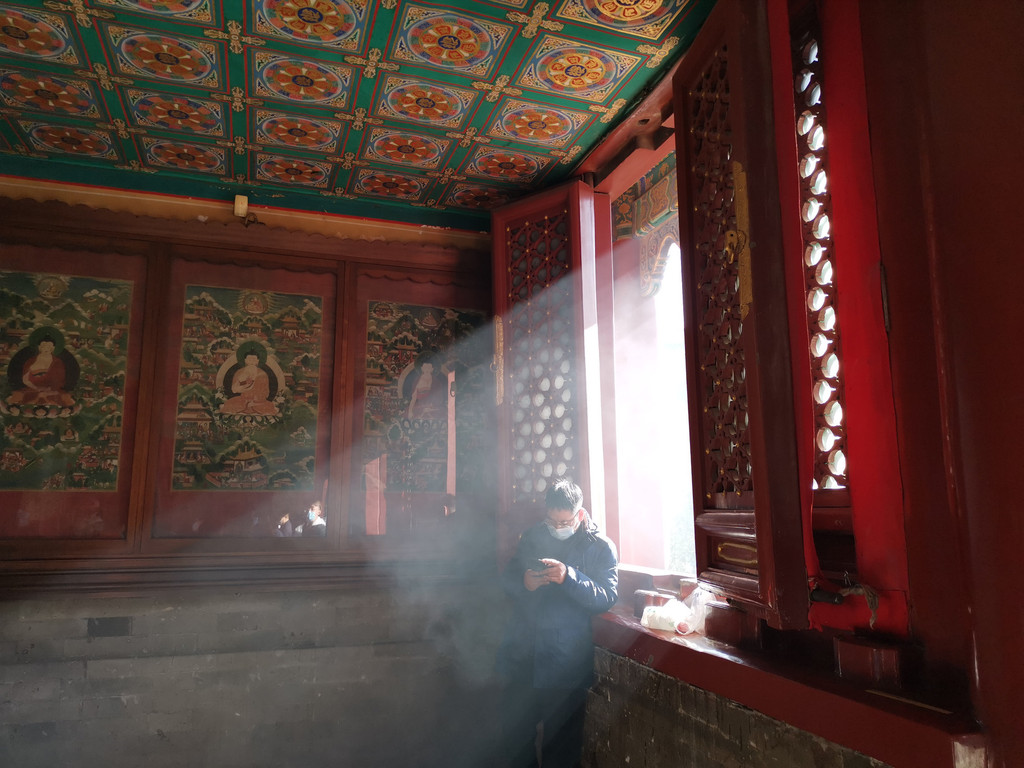
A World-Class Collection
The temple halls house an extraordinary collection of Buddhist statues, thangka paintings, and countless precious cultural artifacts that represent centuries of religious devotion and imperial patronage.
The “Three Masterpieces” of Lama Temple
Among all the treasures, three wooden sculptures stand out as the temple’s crown jewels:
- The Five Hundred Arhats Mountain – carved from precious purple sandalwood
- The Great Buddha Shrine – crafted from golden phoebe wood with intricate dragon carvings
- The 18-meter White Sandalwood Buddha – the temple’s most famous treasure
The Magnificent Maitreya Buddha
The most renowned of these three masterpieces is the colossal Maitreya Buddha located in the Wanfu Pavilion (Ten Thousand Happiness Pavilion). This incredible sculpture is truly breathtaking in its scale and craftsmanship:
Impressive Statistics:
- Total height: 18 meters above ground level
- Underground portion: 8 meters buried beneath the floor
- Total height: 26 meters from base to top
- Construction: Carved from a single, complete white sandalwood tree
A Gift from the Himalayas
What makes this Buddha even more extraordinary is its origin story. The white sandalwood tree originally grew in Nepal and was presented as a precious gift to Emperor Qianlong. The fact that such a massive statue was carved from one continuous piece of wood makes it not just a religious artifact, but a true marvel of both nature and human craftsmanship.
Travel Tip: When you visit Wanfu Pavilion, take a moment to look up and appreciate the sheer scale of this wooden giant—it’s one of the largest wooden Buddhist statues in the world!
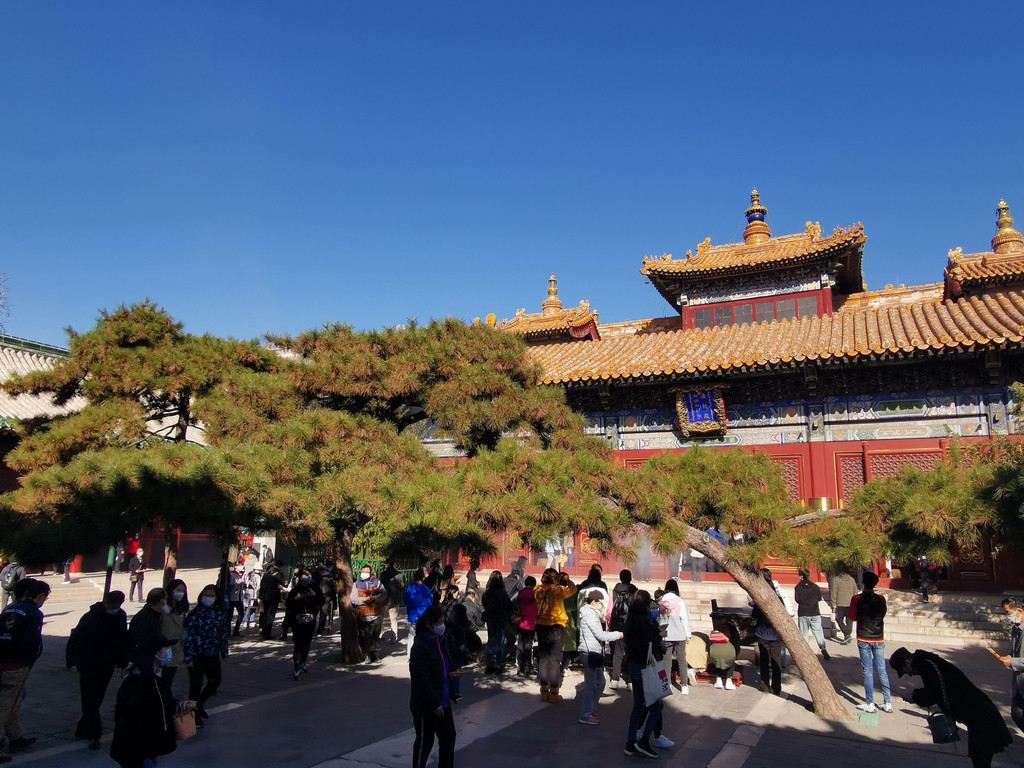
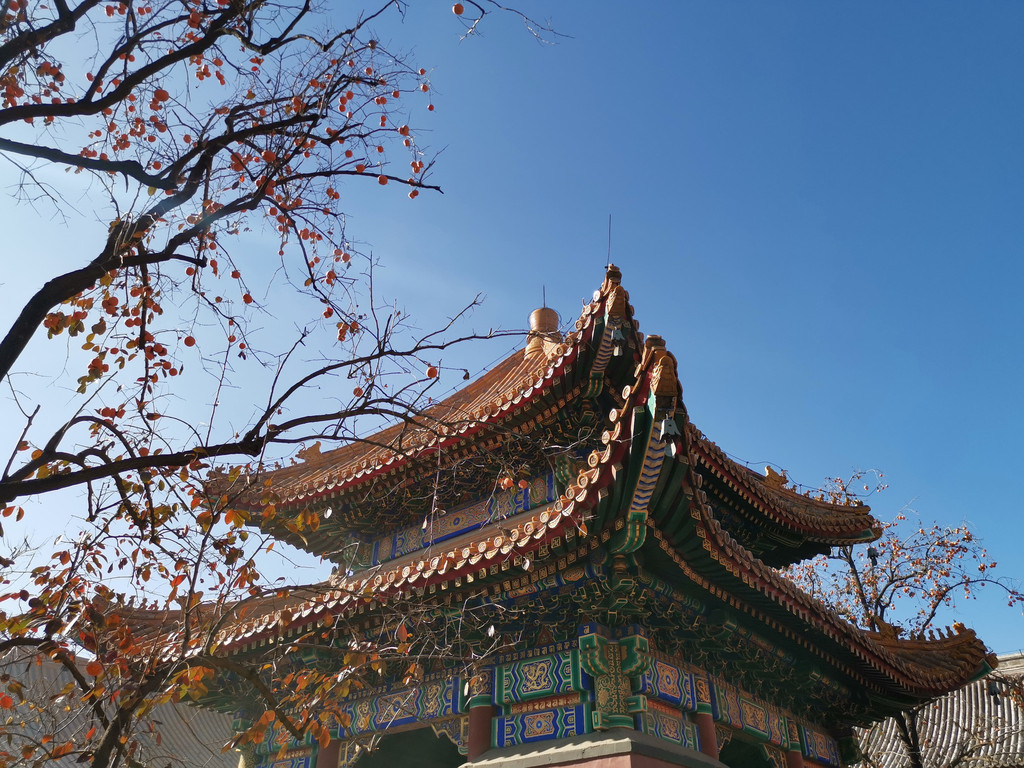
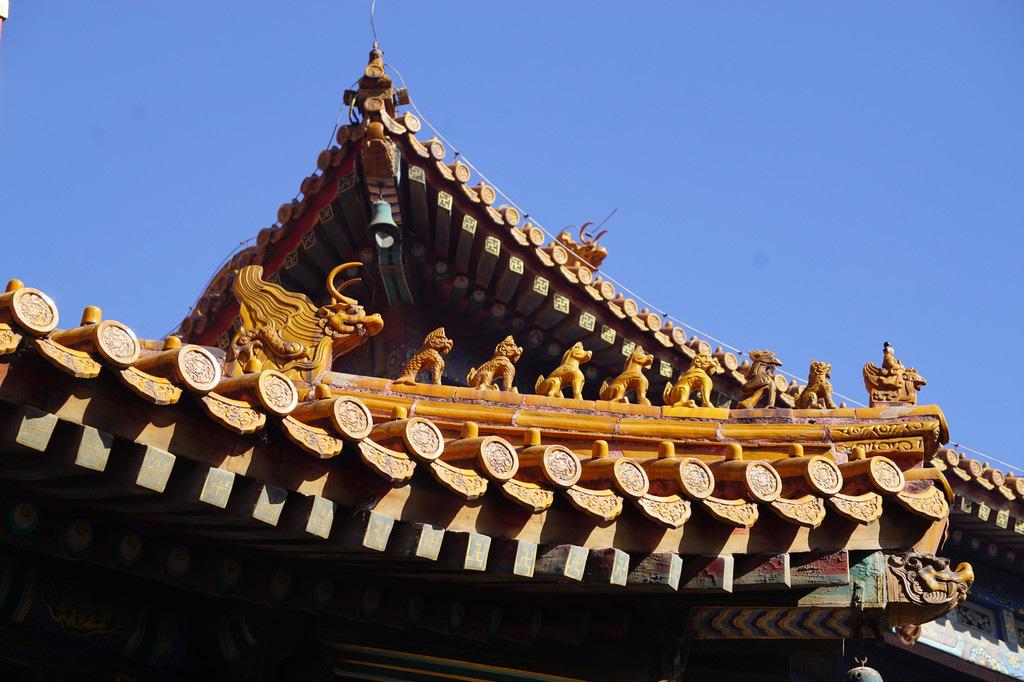
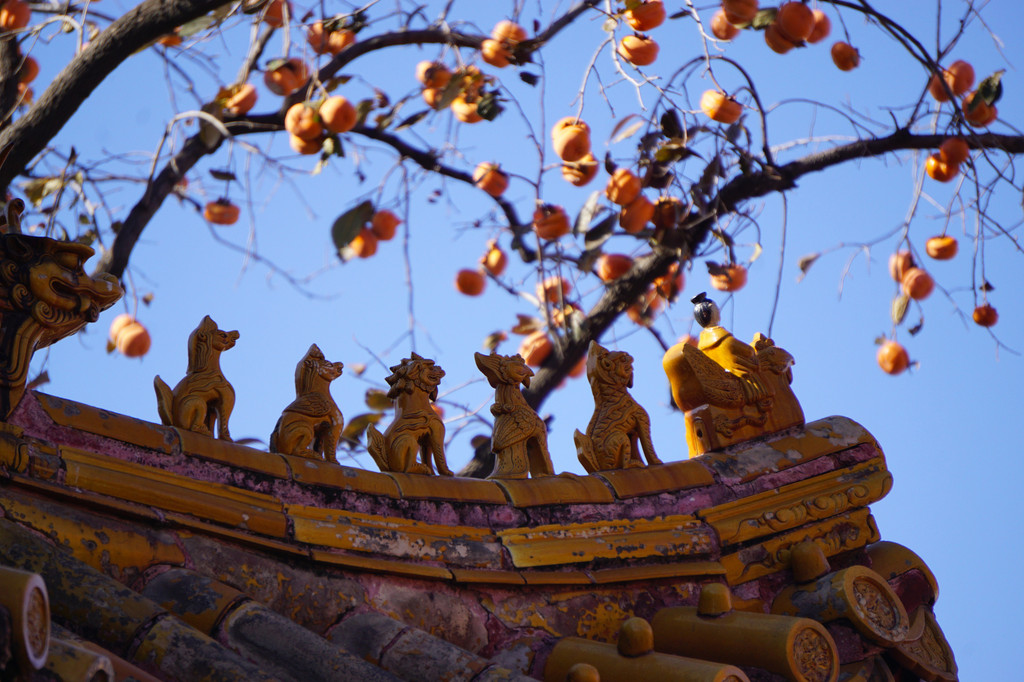
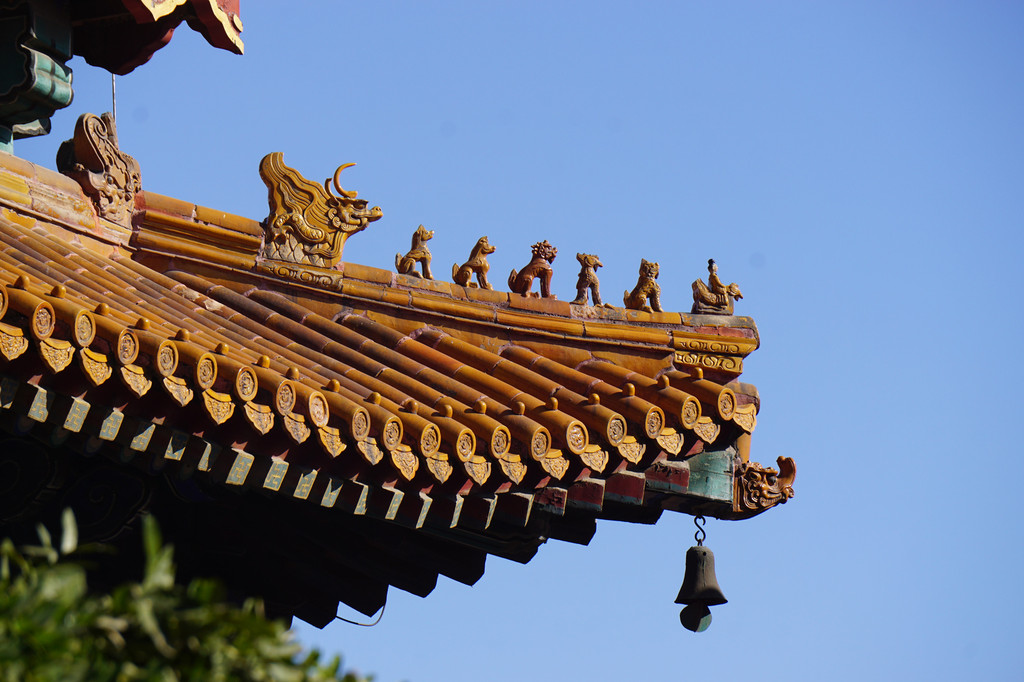
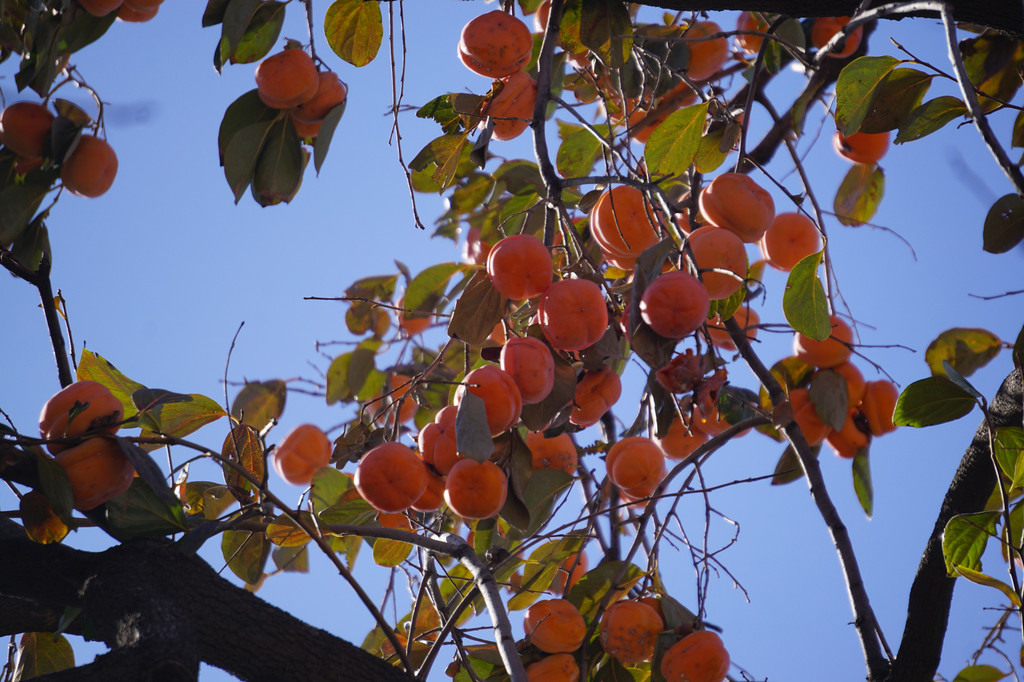
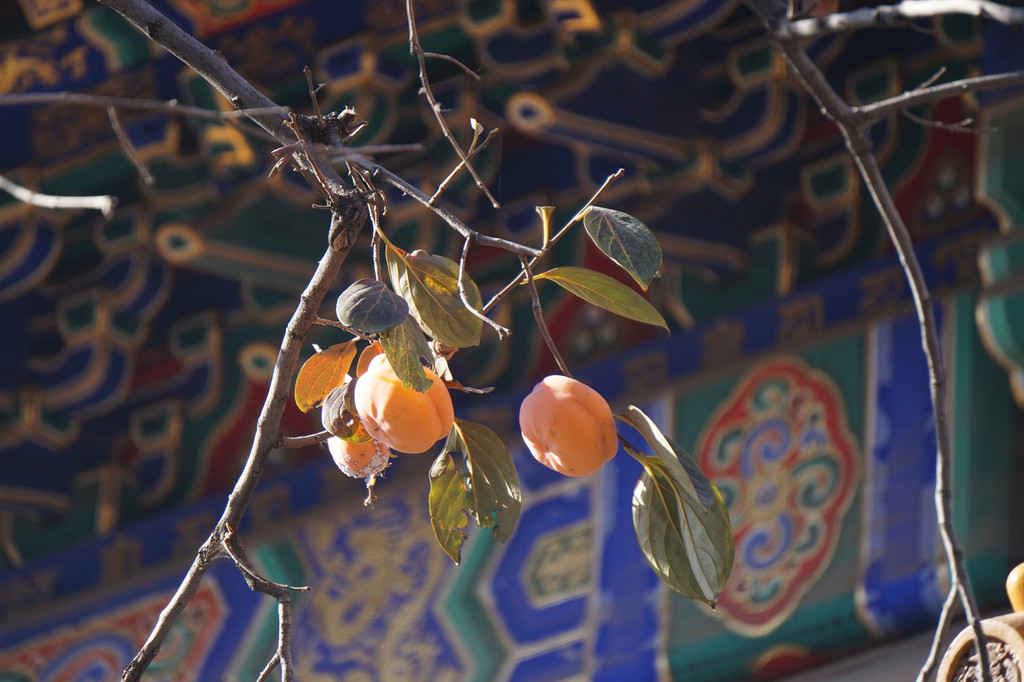
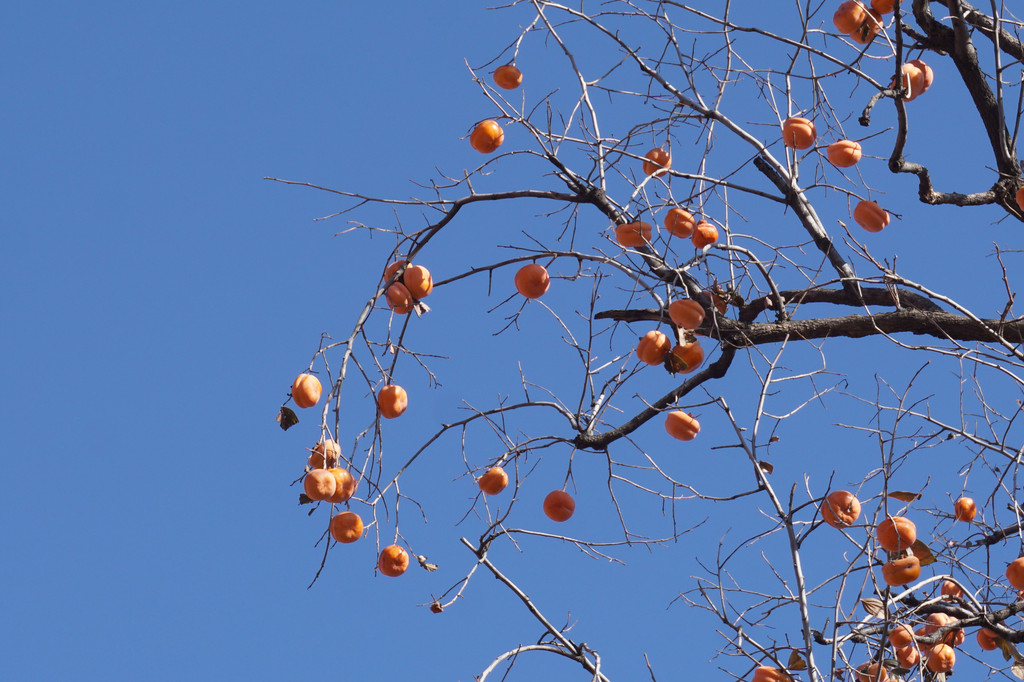
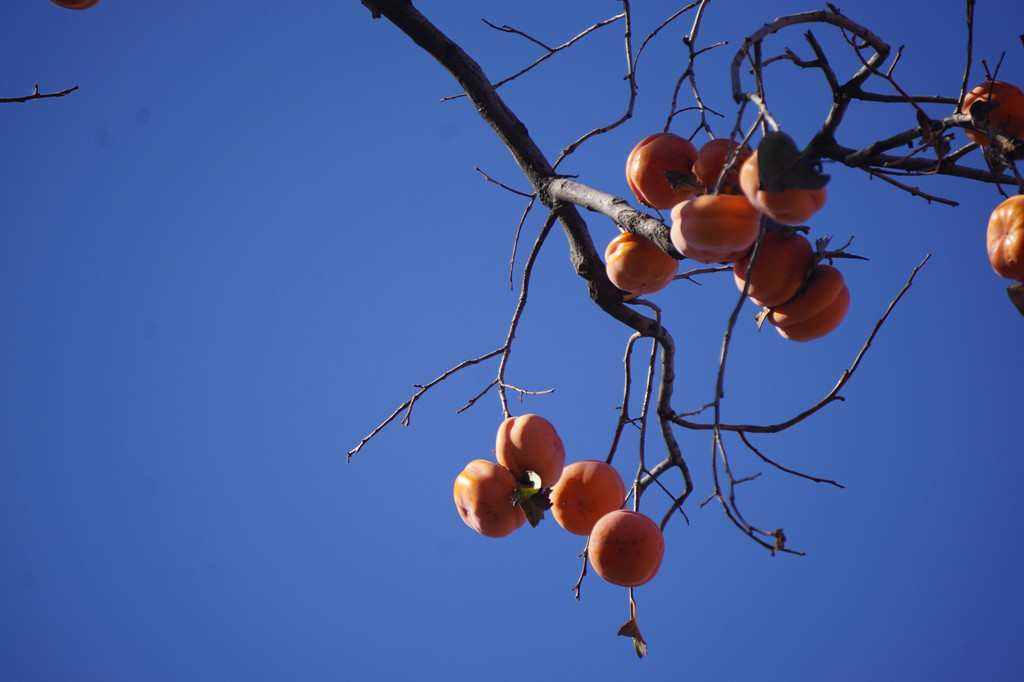
The persimmon trees in the temple are ripe
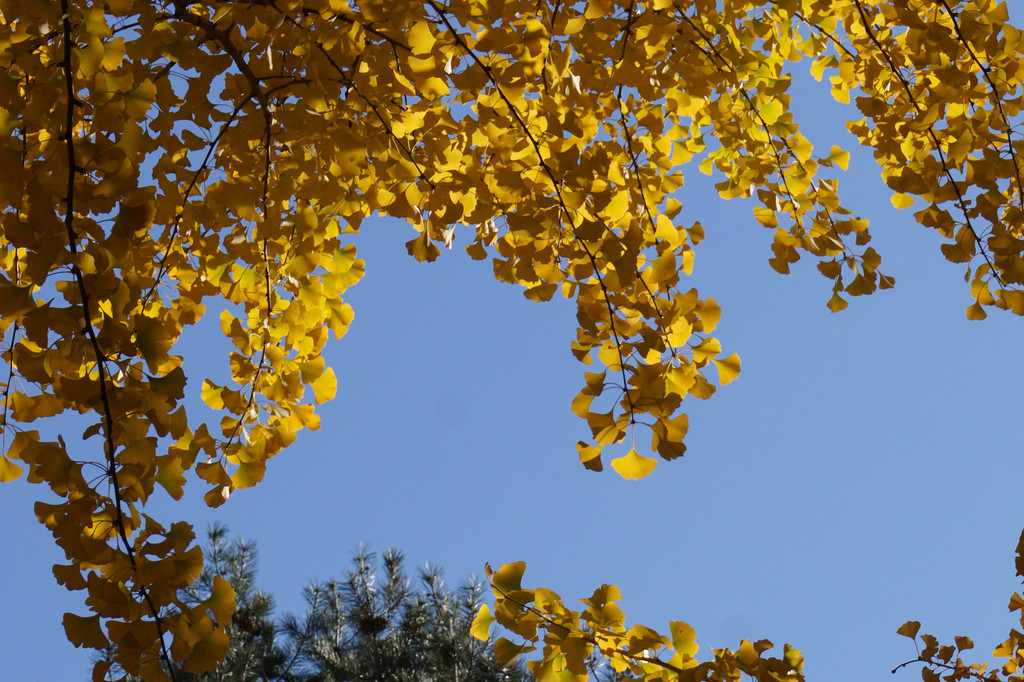
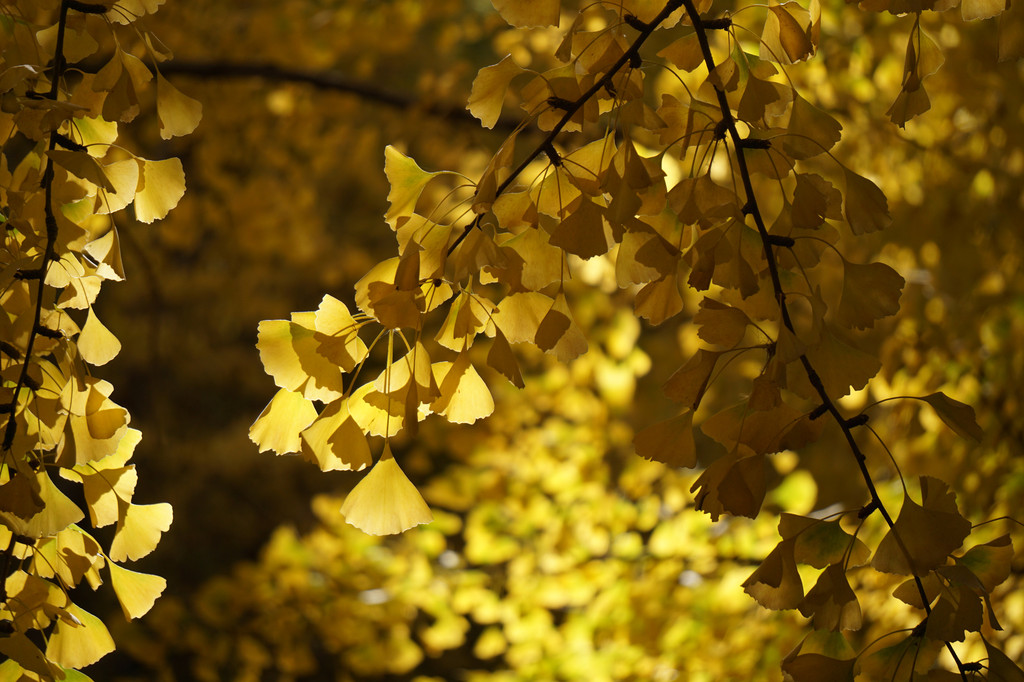
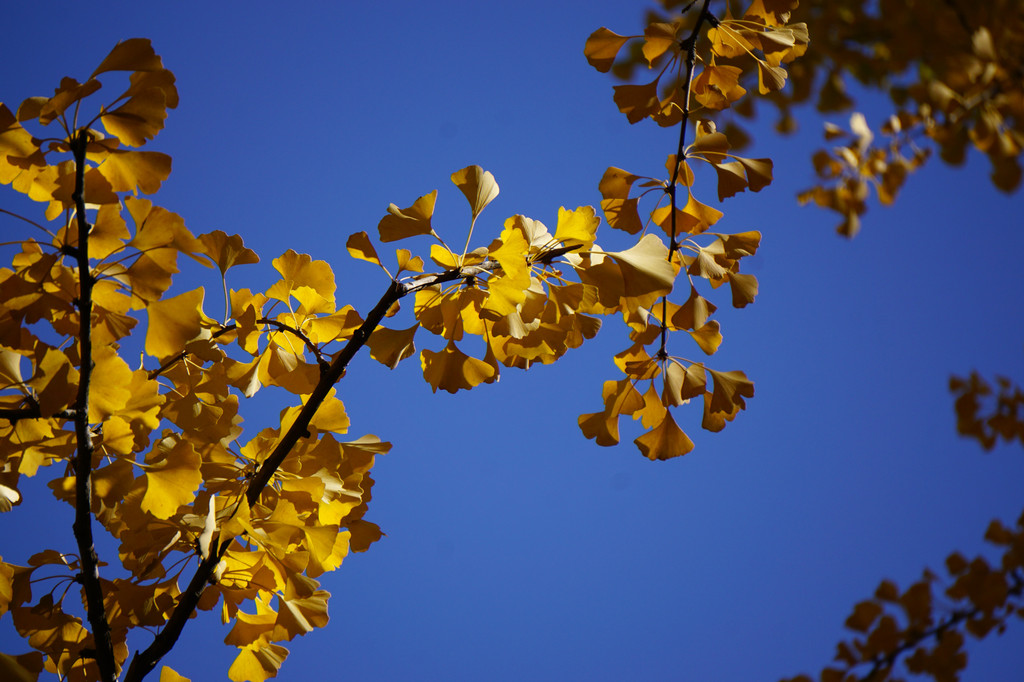
There are also ginkgo trees on the road to Lama Temple. Beijing’s autumn is so beautiful.
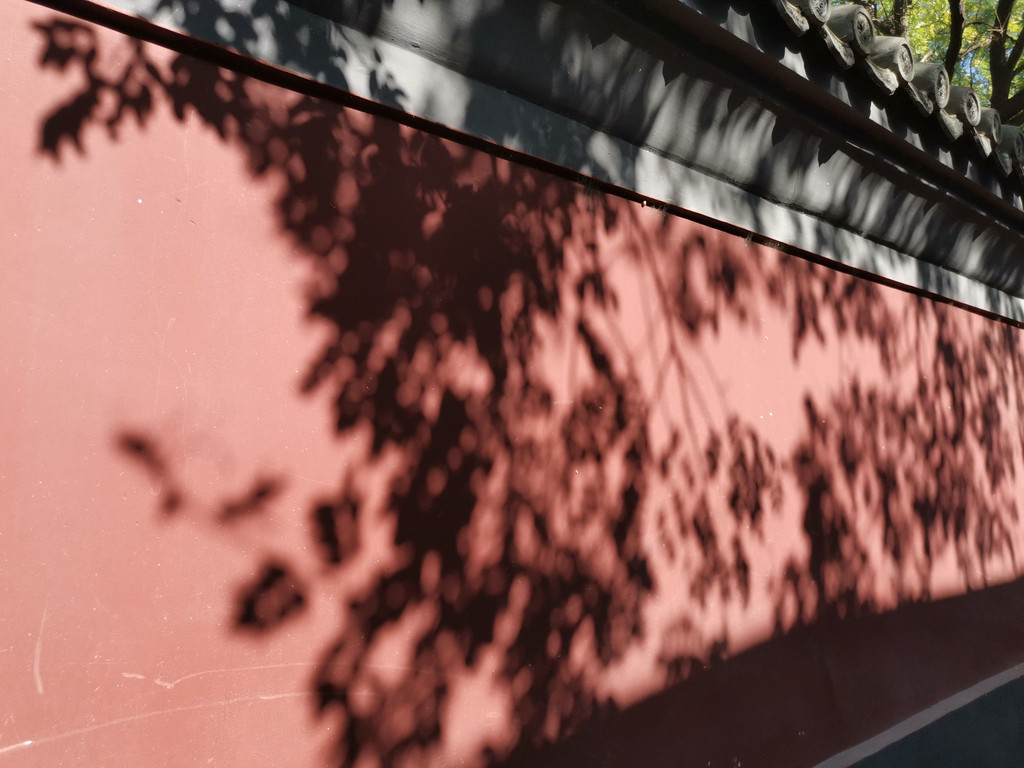
As I walked through the final courtyard, surrounded by the sweet fragrance of ripening persimmons and the gentle sound of prayer wheels, I couldn’t help but reflect on what makes Lama Temple so extraordinary. This isn’t just another tourist attraction—it’s a living bridge between China’s imperial past and its spiritual present.
The Perfect Convergence
Few places in the world can claim to offer such a perfect convergence of:
- Imperial Chinese history (birthplace of Emperor Qianlong)
- Tibetan Buddhist spirituality (active monastery with resident monks)
- Artistic masterpieces (the irreplaceable Three Masterpieces)
- Cultural authenticity (genuine worship alongside tourism)
- Natural beauty (seasonal elements like autumn persimmons)
Beyond the Tourist Trail
While the Forbidden City showcases China’s imperial grandeur and the Great Wall demonstrates its defensive might, Lama Temple reveals the soul of Chinese spirituality. The incense-filled halls, the devoted worshippers, and the centuries-old traditions create an atmosphere that photographs simply cannot capture.
My Personal Recommendation
For first-time visitors: Allow at least 2-3 hours to fully appreciate the temple’s complexity. Don’t rush through the courtyards—take time to observe the monks in their daily routines and the faithful in their prayers.
For return visitors: Each season offers a different perspective. The persimmon season provides incredible photography opportunities, while winter’s bare branches allow better views of the architectural details.
For photography enthusiasts: The interplay of ancient architecture, spiritual activity, and seasonal changes makes this one of Beijing’s most rewarding photo destinations.
Final Thoughts
Lama Temple stands as proof that Beijing’s greatest treasures aren’t always the most famous ones. Sometimes, the most profound experiences come from places where history, spirituality, and artistry converge in perfect harmony.
Whether you’re drawn by the artistic magnificence of the Three Masterpieces, fascinated by the imperial-to-monastery transformation, or simply seeking a moment of tranquility in bustling Beijing, Lama Temple delivers an experience that will stay with you long after you’ve left its incense-perfumed halls.
It’s amazing!