
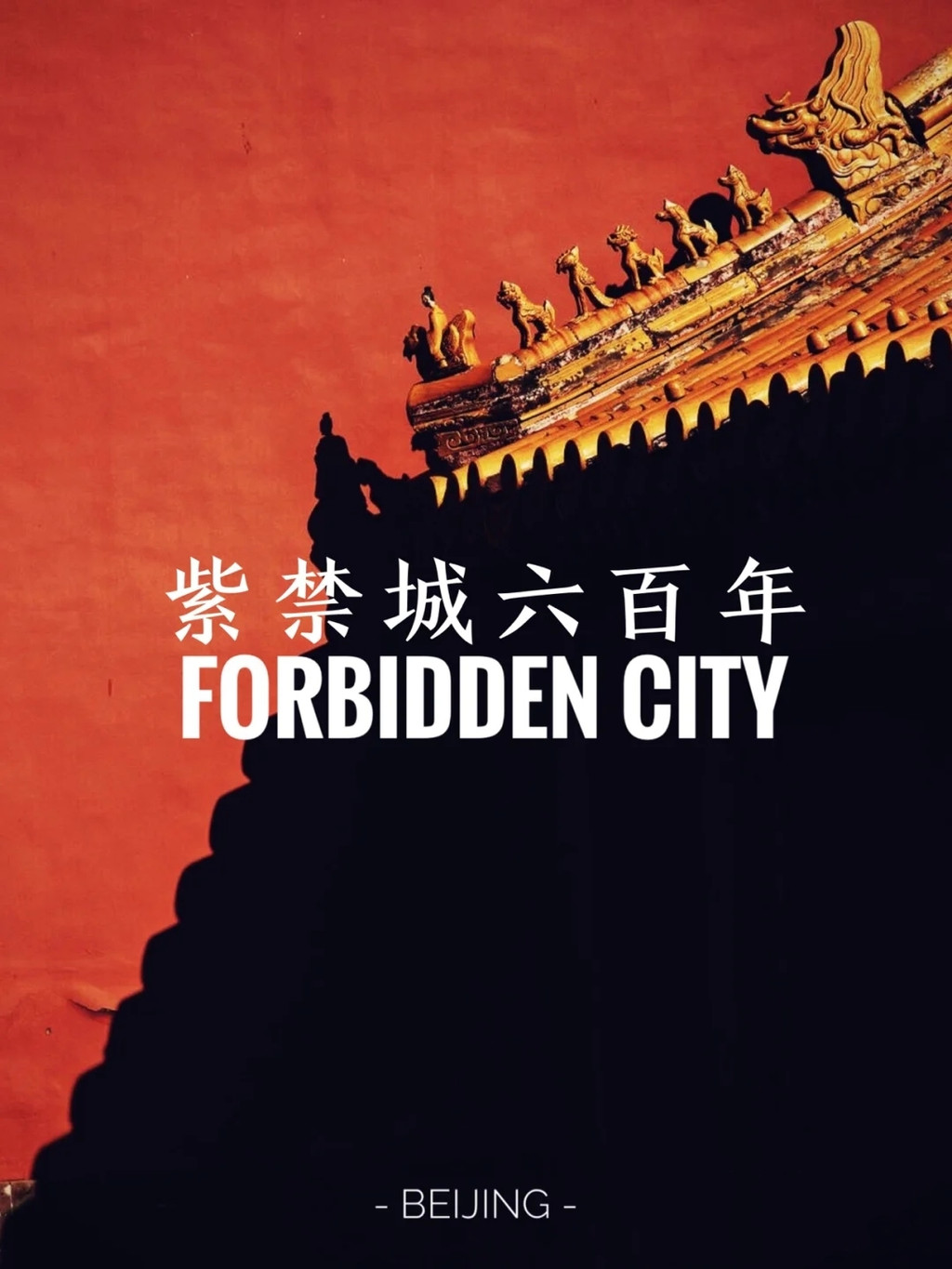
Beijing has been the city of my dreams since I was a child, a place I’ve always longed to visit and explore.
During my university years in Tianjin, I made it a tradition to visit Beijing during almost every short holiday. I even spent Christmas in Beijing! Over the years, I’ve checked off nearly every major and minor attraction in the city, yet I remain captivated by Beijing’s rich cultural atmosphere. No matter how many times I visit, I never grow tired of this magnificent city.
Being able to witness the 600th anniversary of the Forbidden City has been a dream of mine for years. I’ve been eagerly anticipating this milestone, waiting through the tenure of former Director Shan Jixiang to current Director Wang Xudong. The pandemic disrupted the originally planned monthly special exhibitions, and of course, we missed the chance to see the famous “Along the River During the Qingming Festival” scroll.
Fortunately, as the pandemic situation improved in September 2020, the Forbidden City’s 600th anniversary special exhibition—”Everlasting Splendor”—finally opened to the public.
I invited my friends to join me for my fourth visit to the Forbidden City.
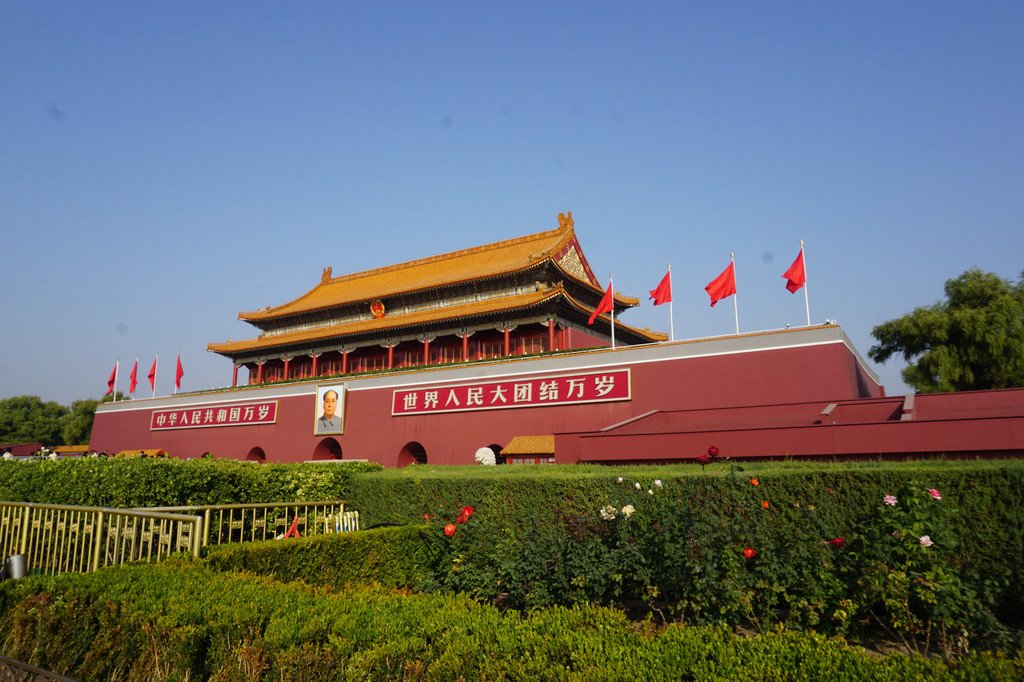
The Beijing Forbidden City served as the imperial palace for China’s Ming and Qing dynasties. Formerly known as the Purple Forbidden City, it sits at the center of Beijing’s central axis and represents the pinnacle of ancient Chinese palatial architecture. It stands as one of the world’s largest and most completely preserved wooden architectural complexes. The Beijing Forbidden City is hailed as the foremost of the world’s five great palaces (Beijing’s Forbidden City, France’s Palace of Versailles, Britain’s Buckingham Palace, the United States’ White House, and Russia’s Kremlin).
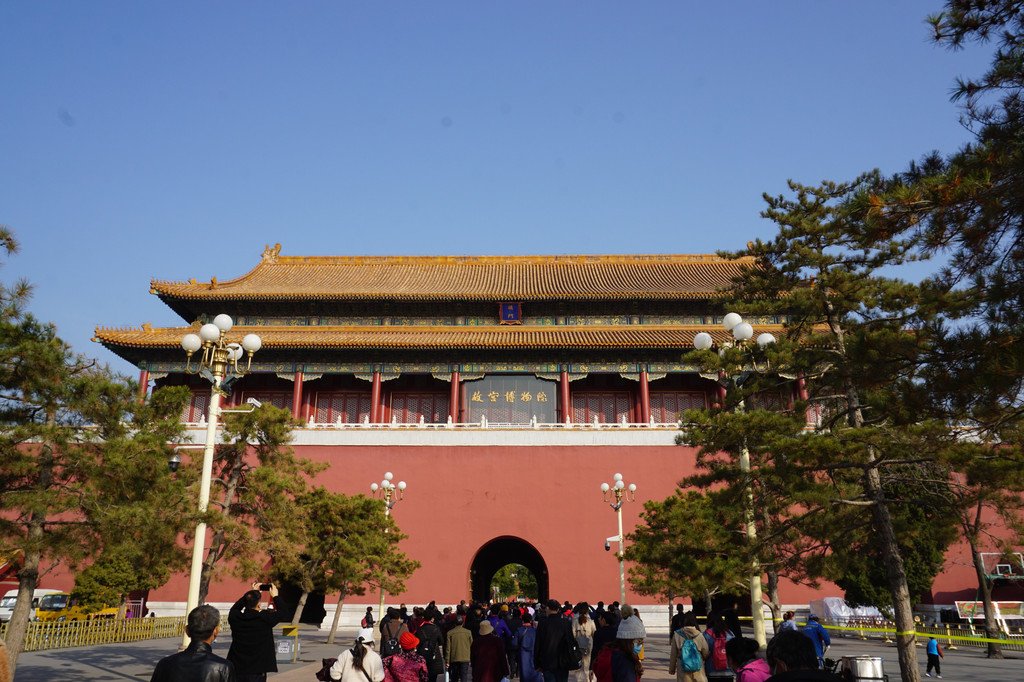
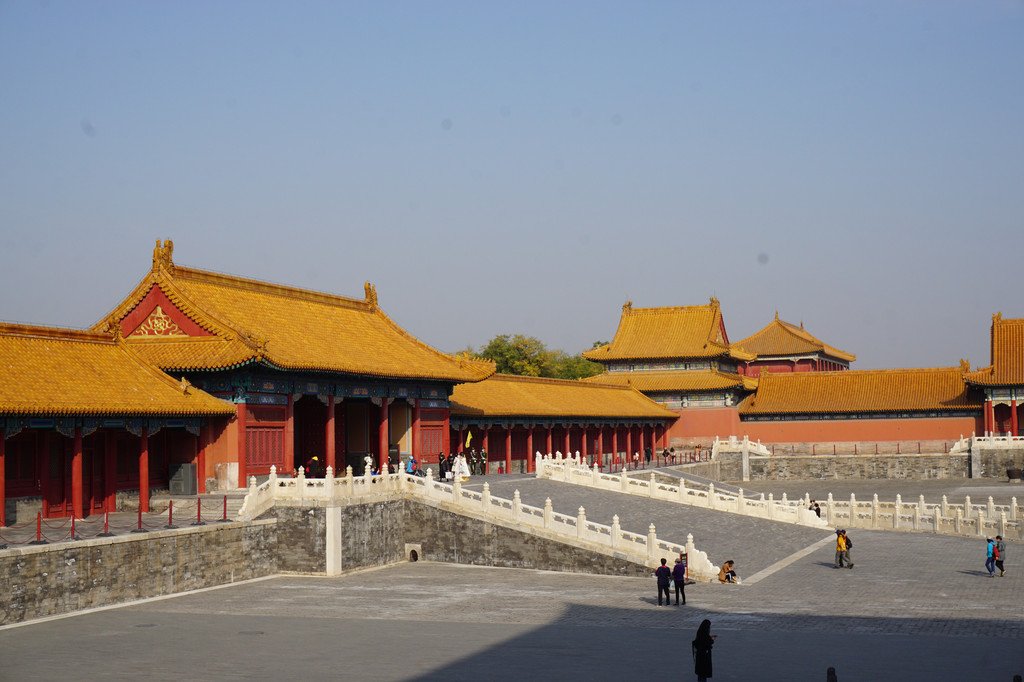
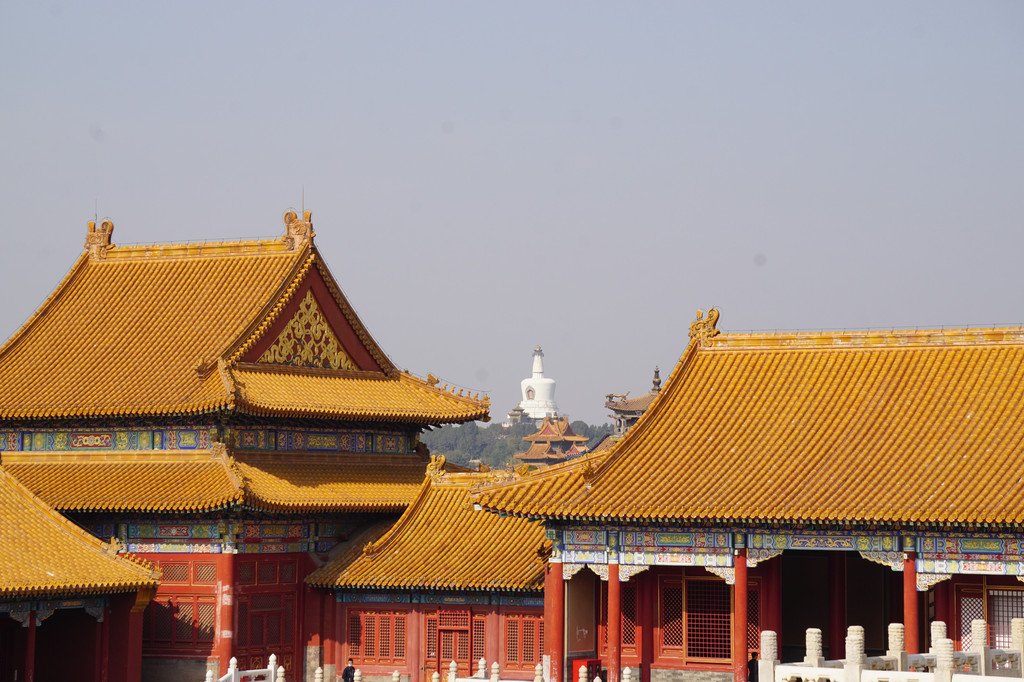
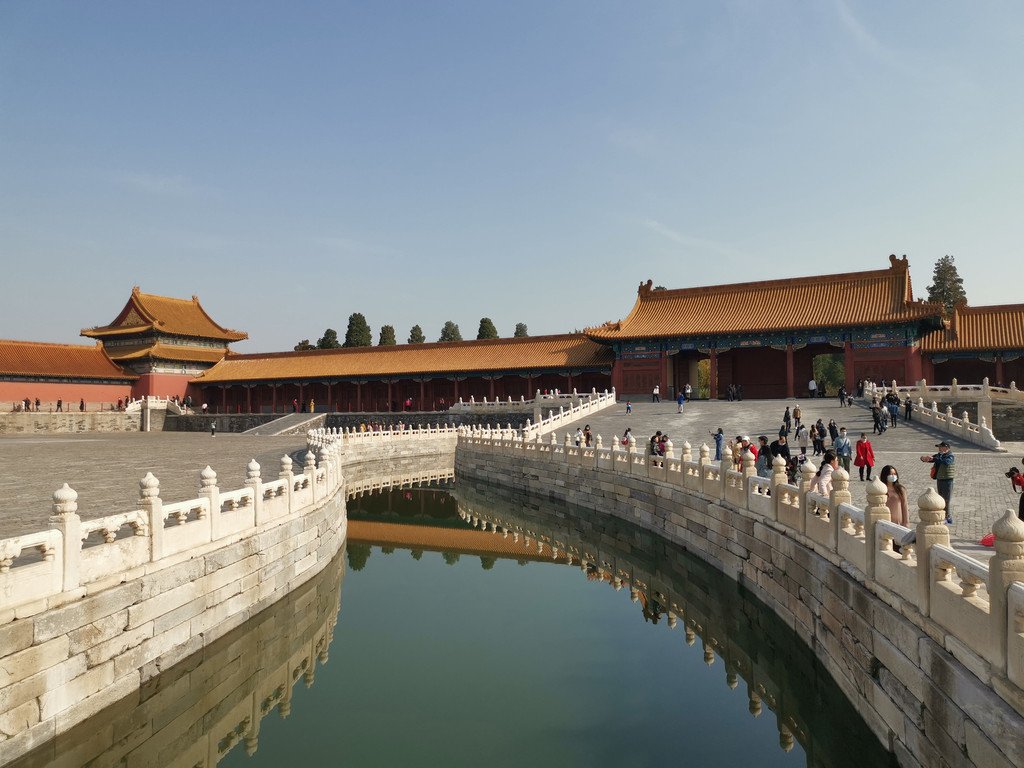
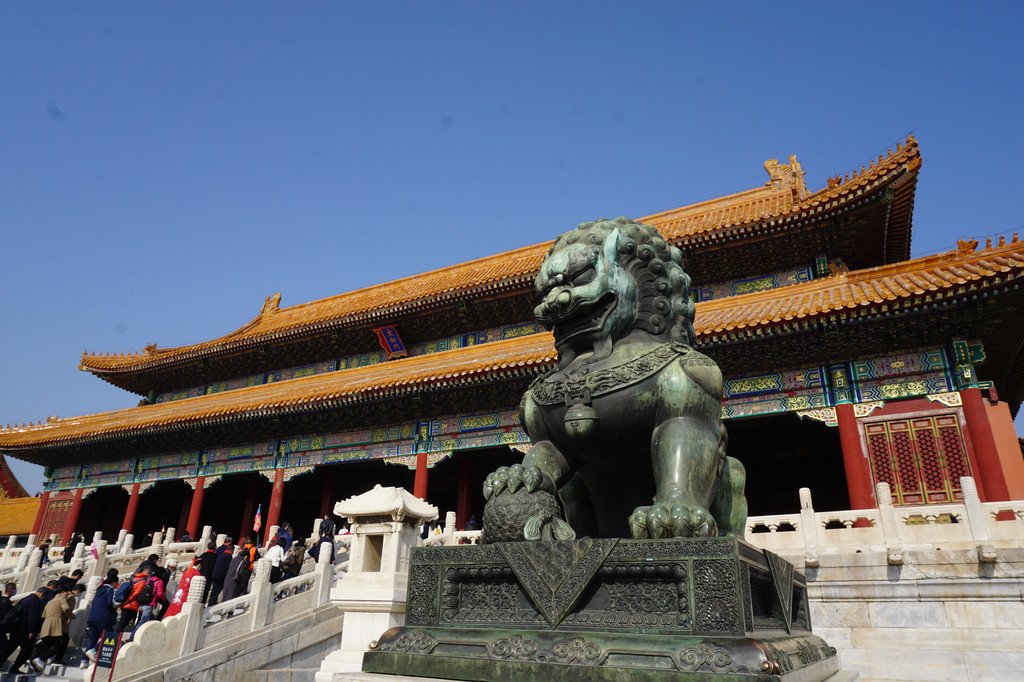
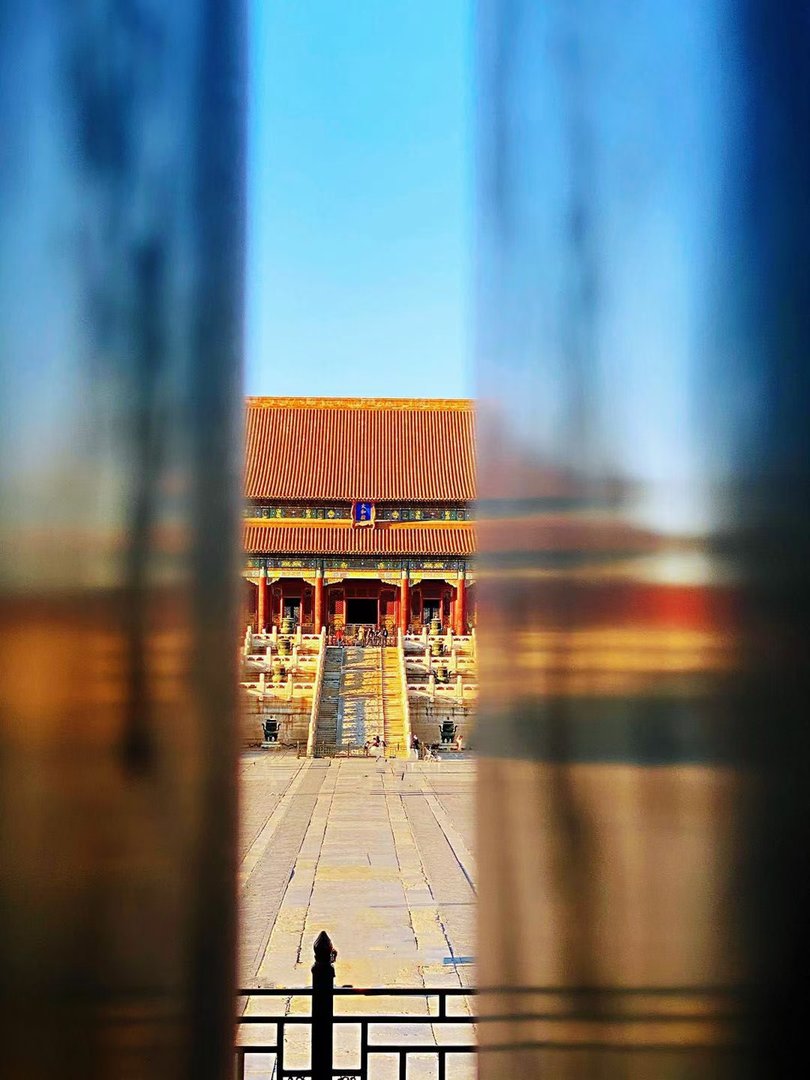
Construction of the Beijing Forbidden City began in the fourth year of Emperor Yongle’s reign (1406 CE), modeled after the Nanjing Forbidden City. The project was completed in the eighteenth year of Yongle’s reign (1420 CE).
The palace forms a rectangular compound measuring 961 meters from north to south and 753 meters from east to west, surrounded by walls 10 meters high and protected by a moat 52 meters wide. The architectural complex within the Forbidden City is divided into two main sections: the Outer Court and the Inner Court.
The Outer Court centers around the Hall of Supreme Harmony (Taihe Dian), the Hall of Central Harmony (Zhonghe Dian), and the Hall of Preserving Harmony (Baohe Dian)—collectively known as the Three Great Halls—where major state ceremonies were held.
The Inner Court revolves around the Palace of Heavenly Purity (Qianqing Gong), the Hall of Union (Jiaotai Dian), and the Palace of Earthly Tranquility (Kunning Gong)—known as the Three Rear Palaces—which served as the primary residential quarters for the emperor and empress.
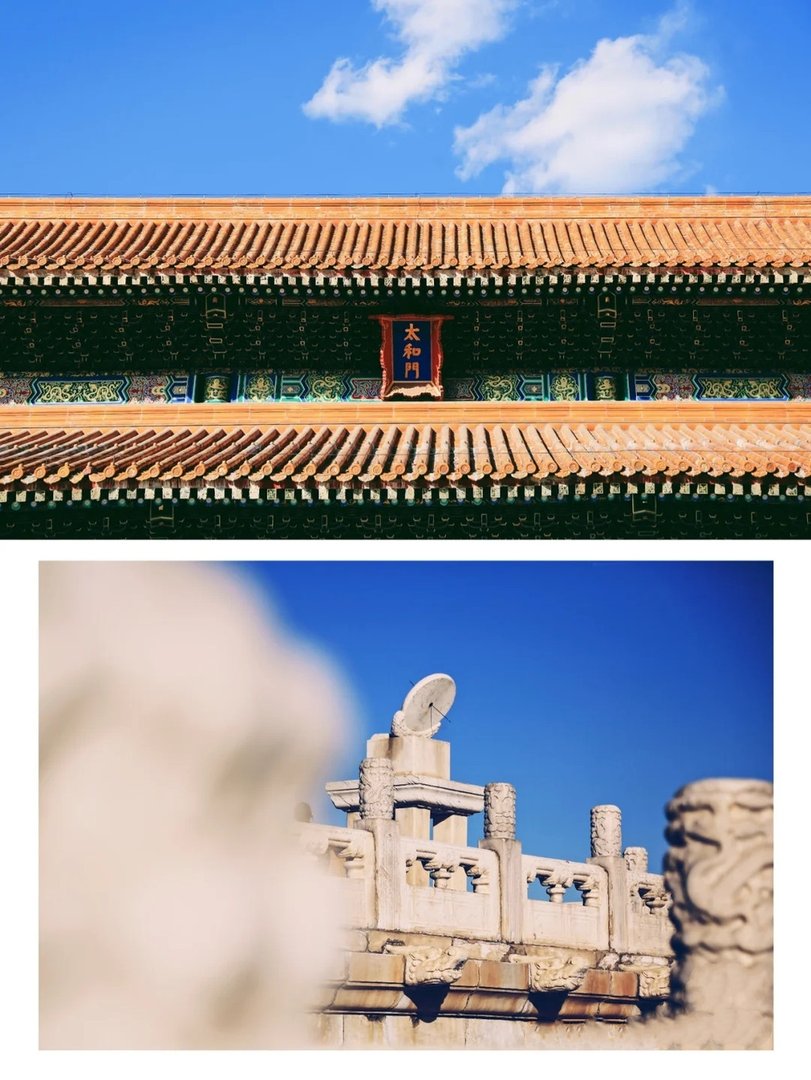
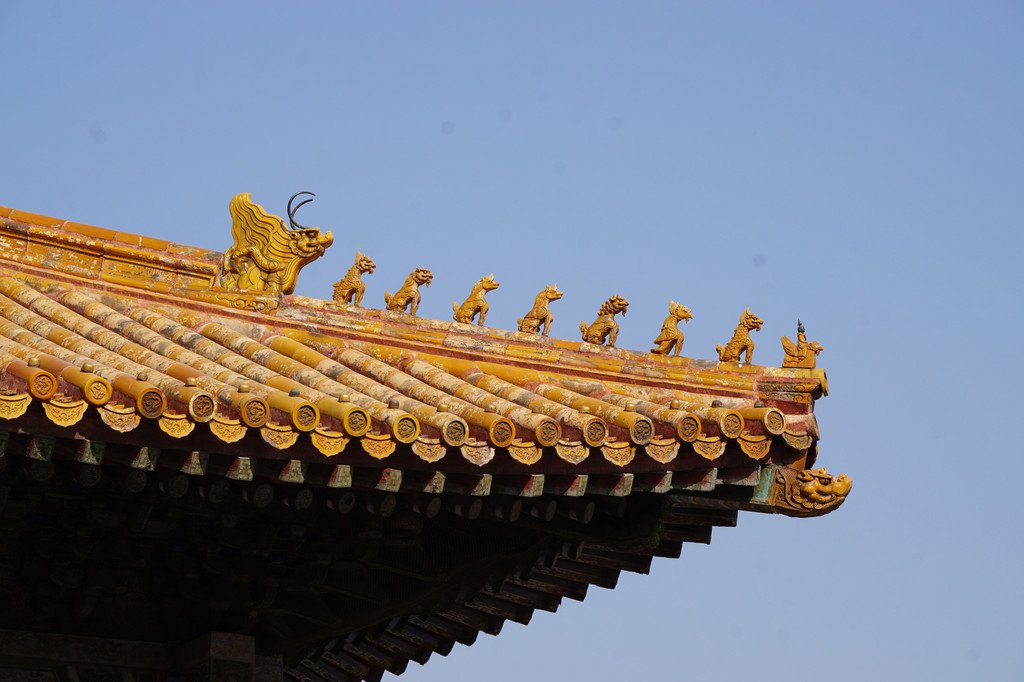
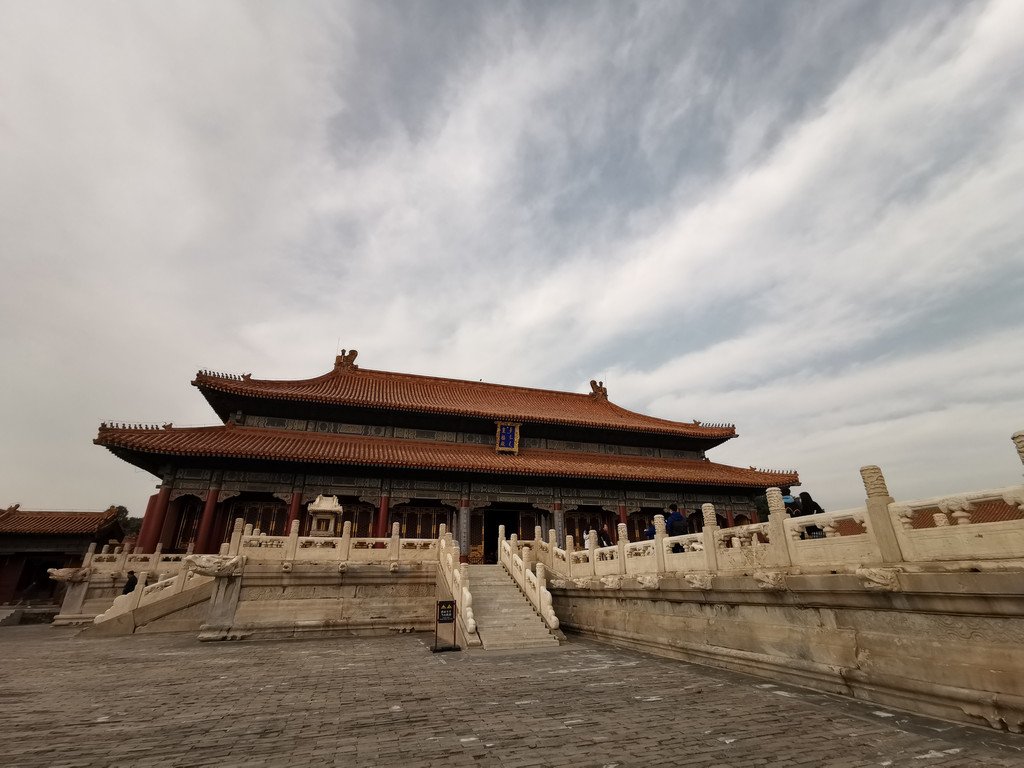
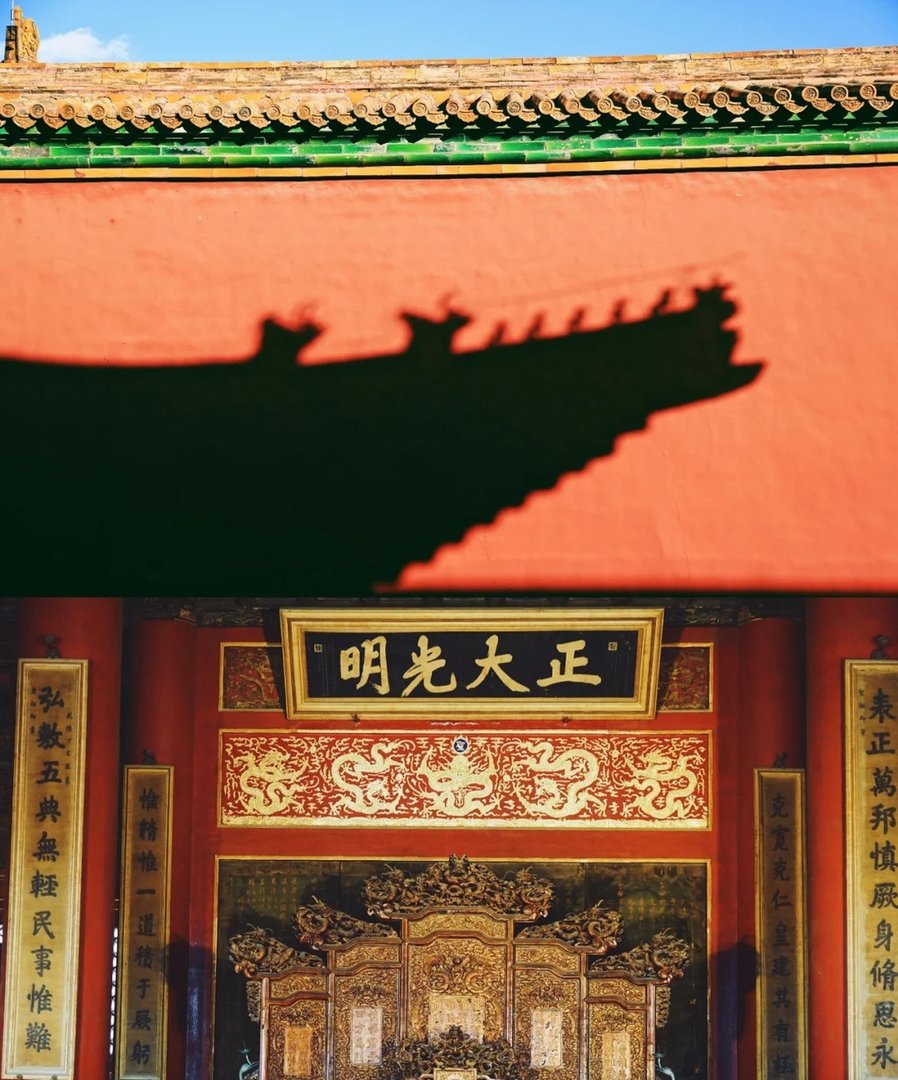
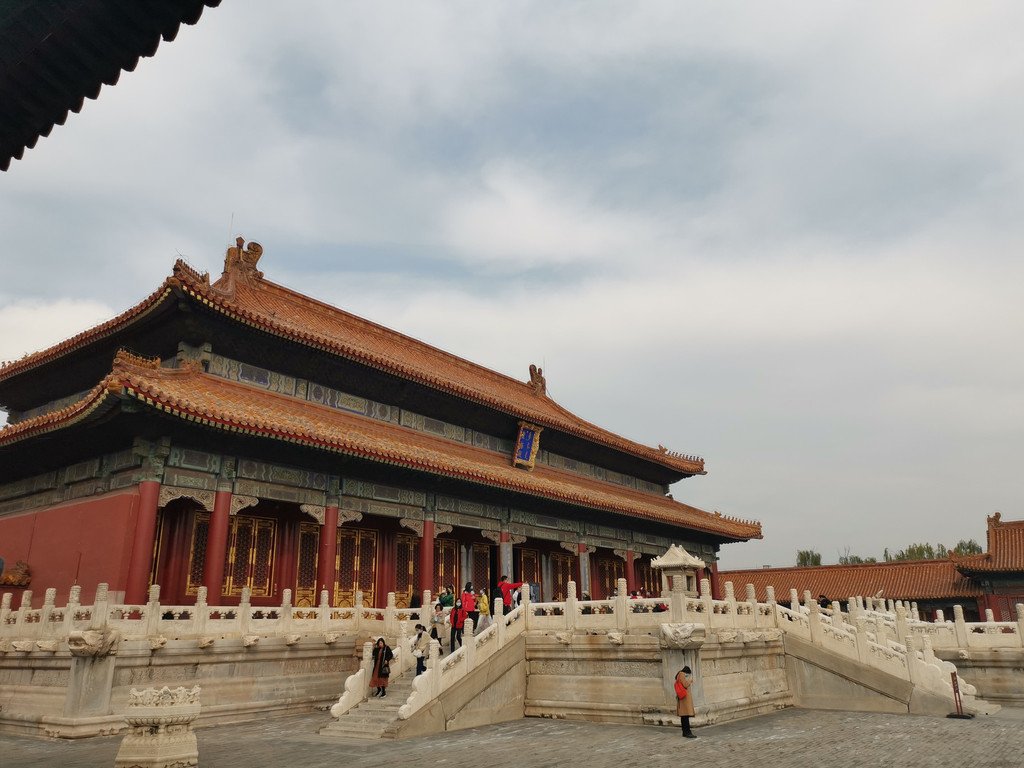
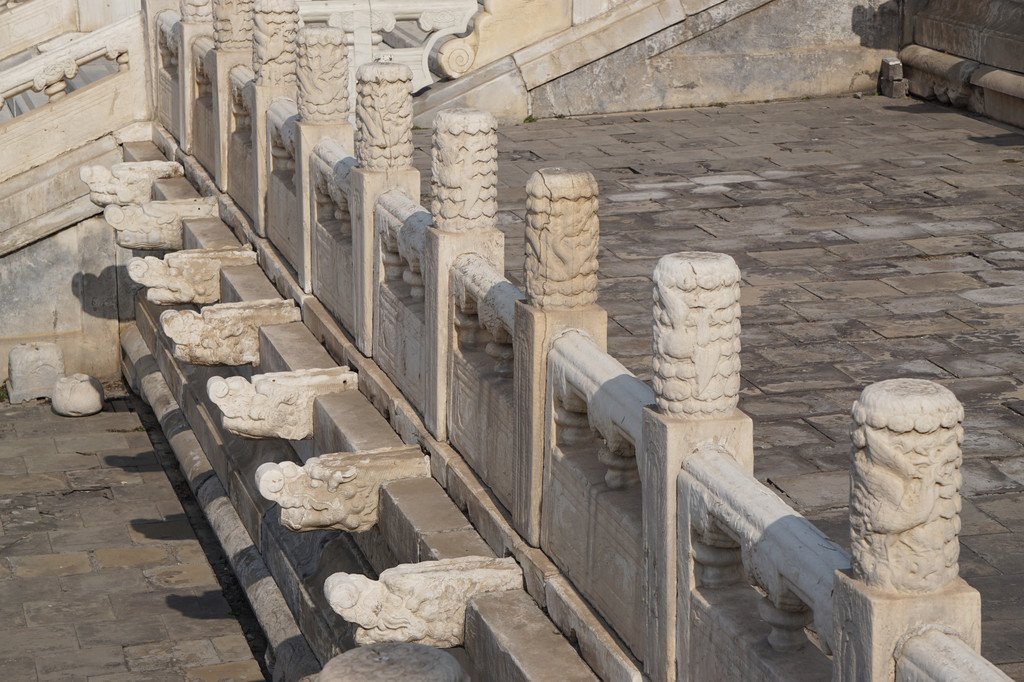
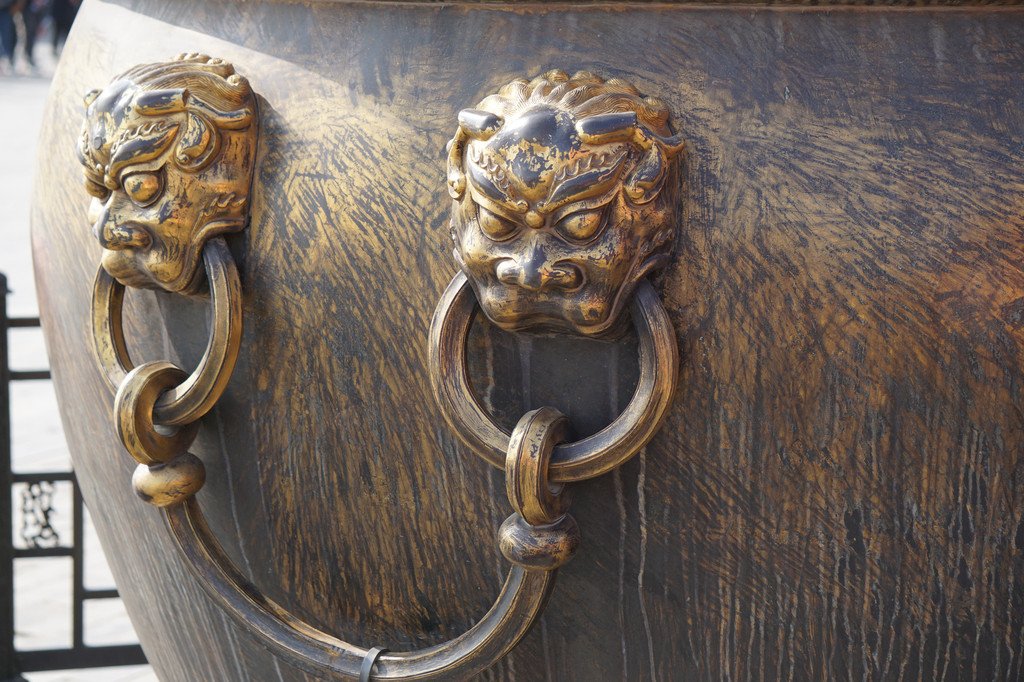
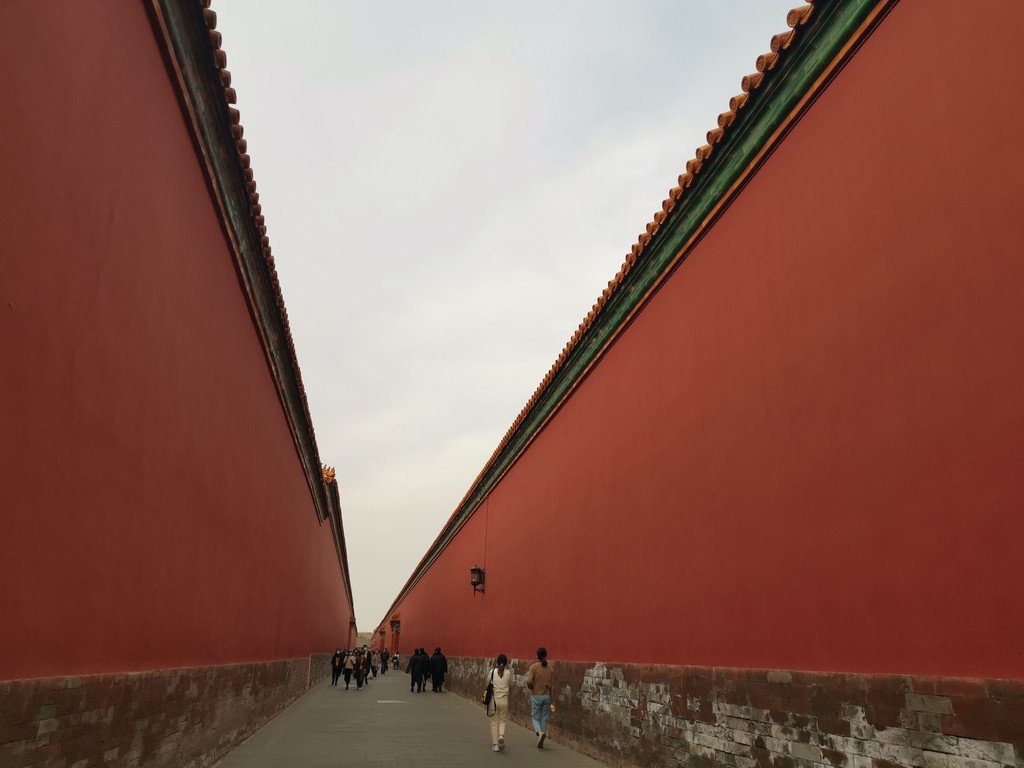
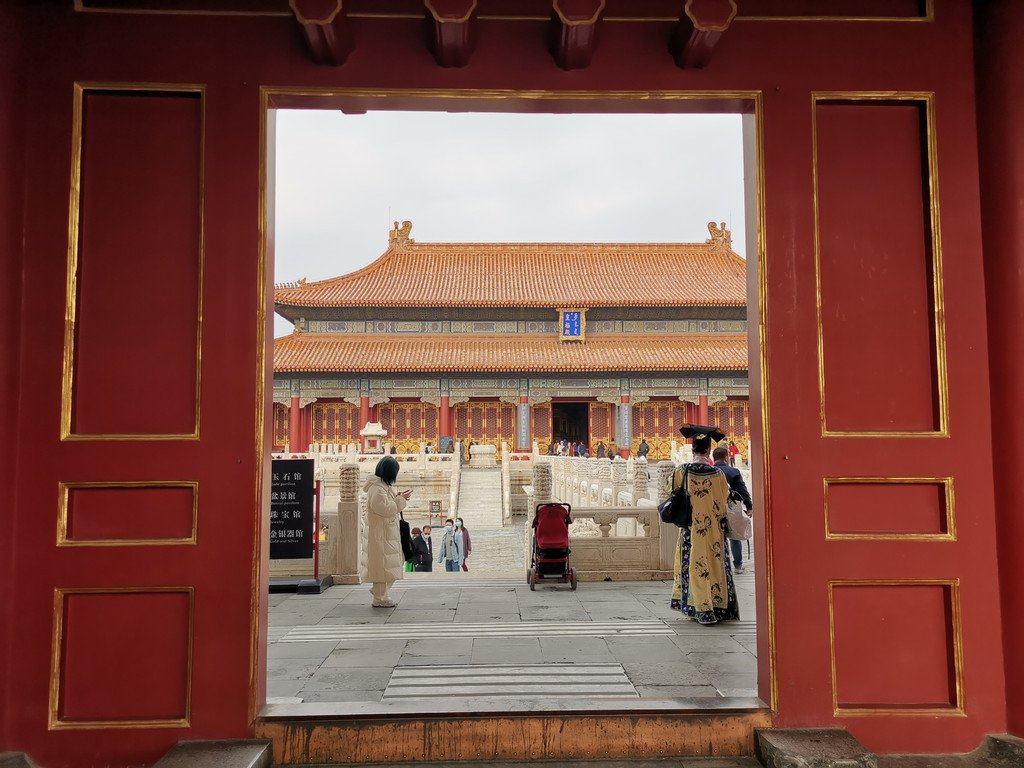
The Forbidden City attracts many young women dressed in traditional Qing dynasty costumes for photography—creating a charming scene in itself!
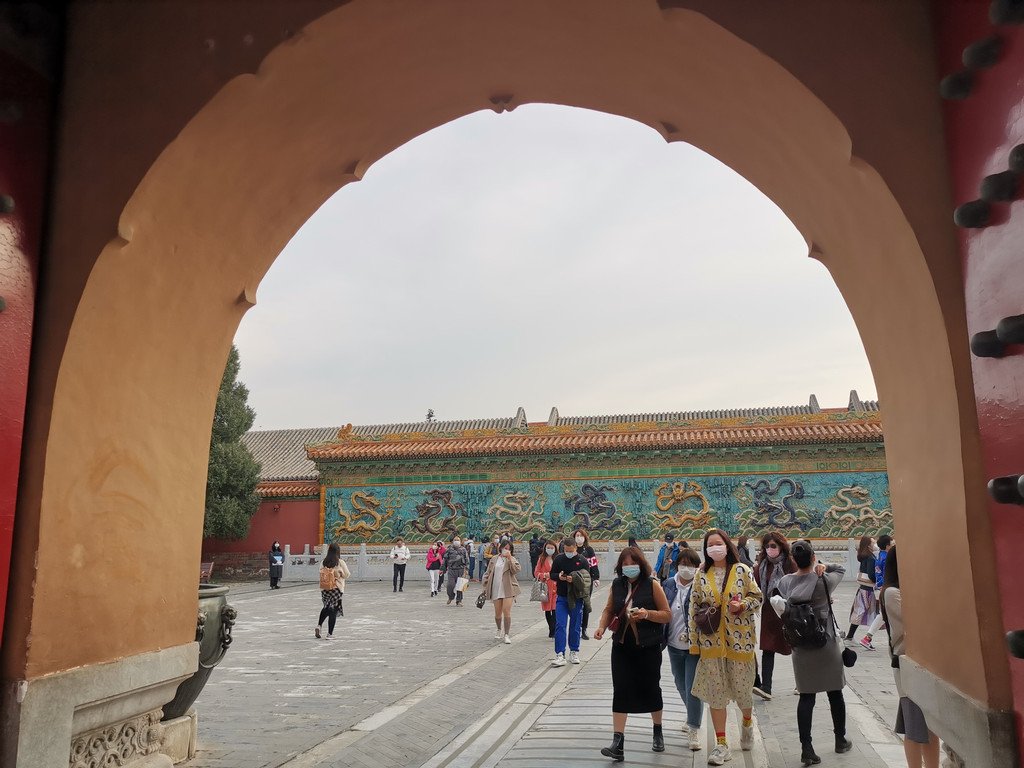
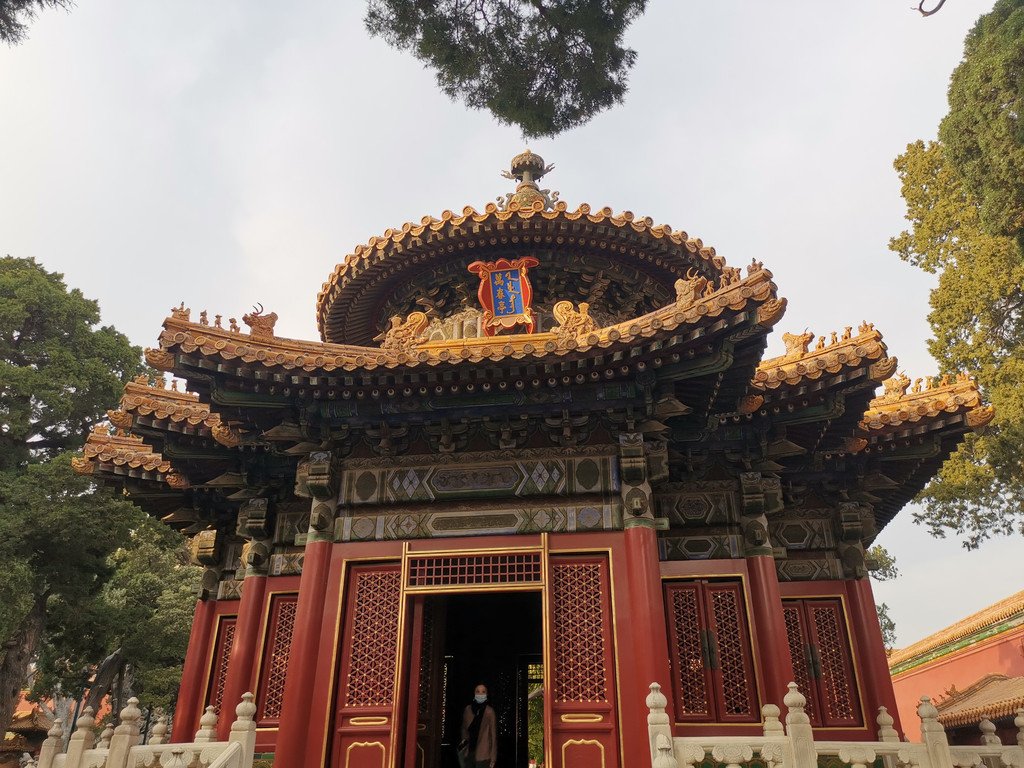
To commemorate the 600th anniversary of the Forbidden City’s completion in 2020, the Palace Museum launched the “Everlasting Splendor” exhibition (September 10 – November 15, 2020). The exhibition featured three major themes and 18 historical milestones, introducing visitors to the planning, layout, architecture, and court life of the Forbidden City, as well as the ongoing preservation and maintenance efforts.
This comprehensive presentation helps visitors understand the historical and cultural significance that permeates the “time” and “space” of the Forbidden City, appreciate the perfect fusion of architectural technology and artistry, and experience the infinite charm of China’s outstanding traditional culture. This special exhibition was held in the Meridian Gate (Wumen) and the East and West Yanchi Buildings. It was quite exciting to climb the Meridian Gate for the first time!
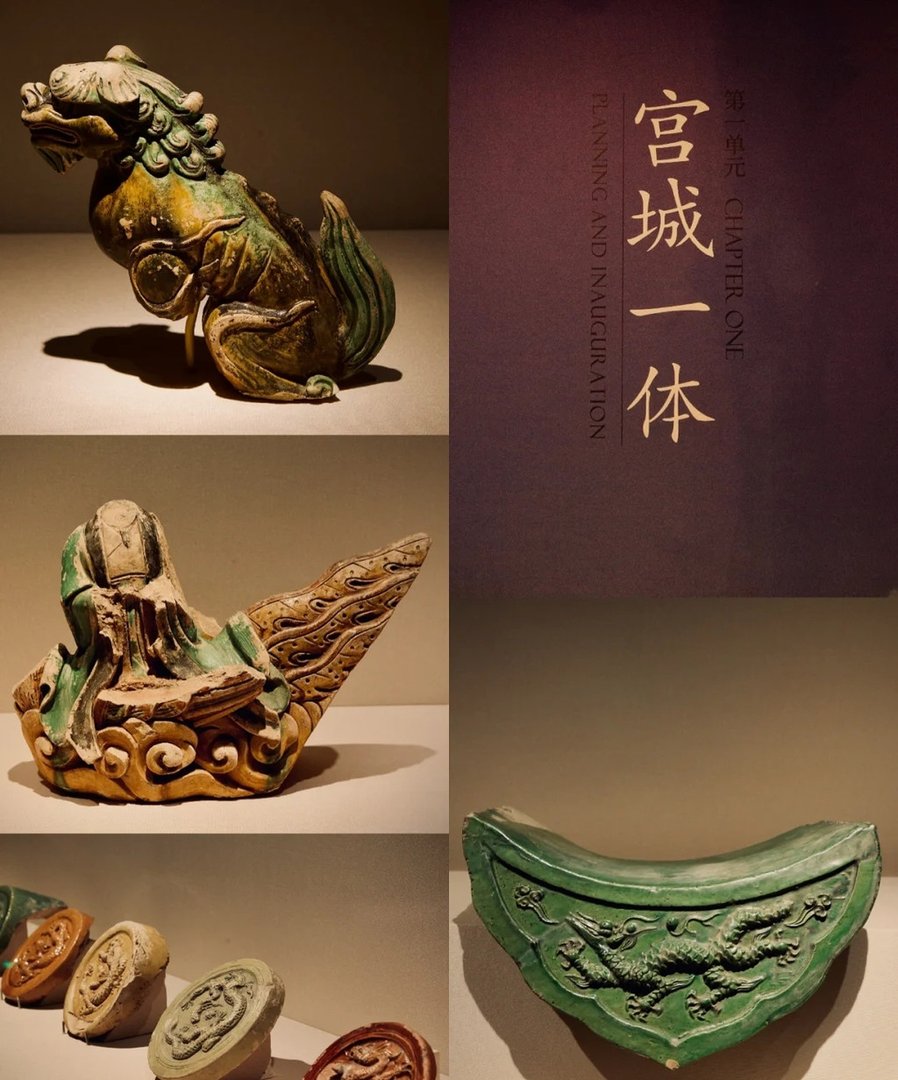
First Section: Palace and City as One
The exhibition space featured an elegant rice-white color scheme to highlight the three-dimensional effects of Ming dynasty stone architectural components. Combined with extensive graphic explanations and calligraphy and painting exhibits, this section narrated the Ming dynasty’s palace construction philosophy and architectural engineering techniques.
Through three historical milestones, it told the story of the Beijing Imperial Palace construction from its inception, completion, and the subsequent changes to the Forbidden City’s internal layout during the Ming dynasty.
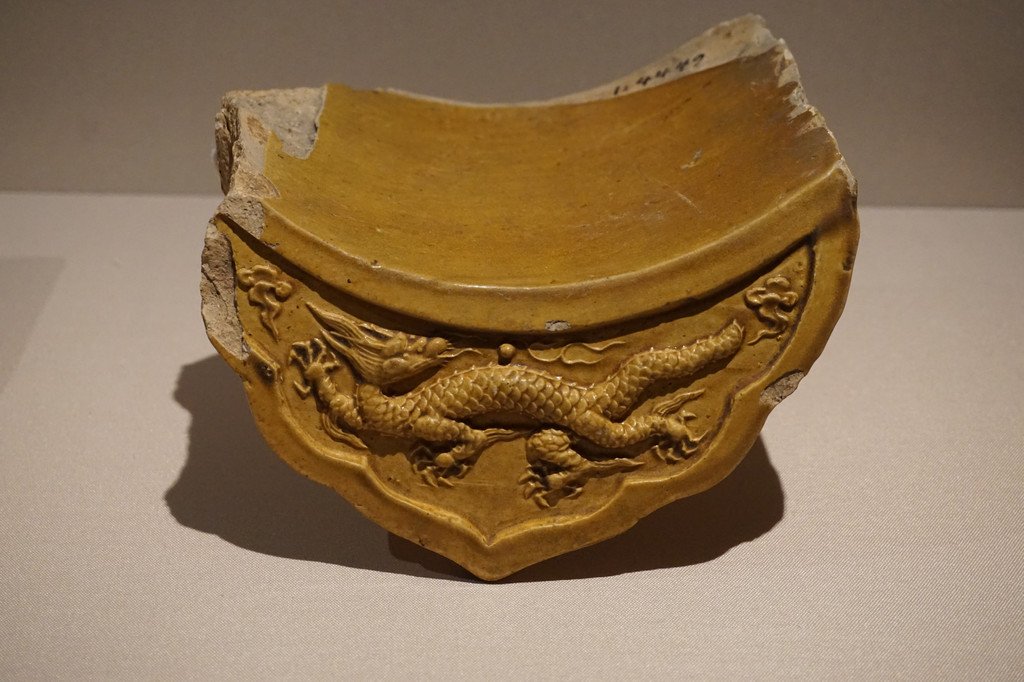
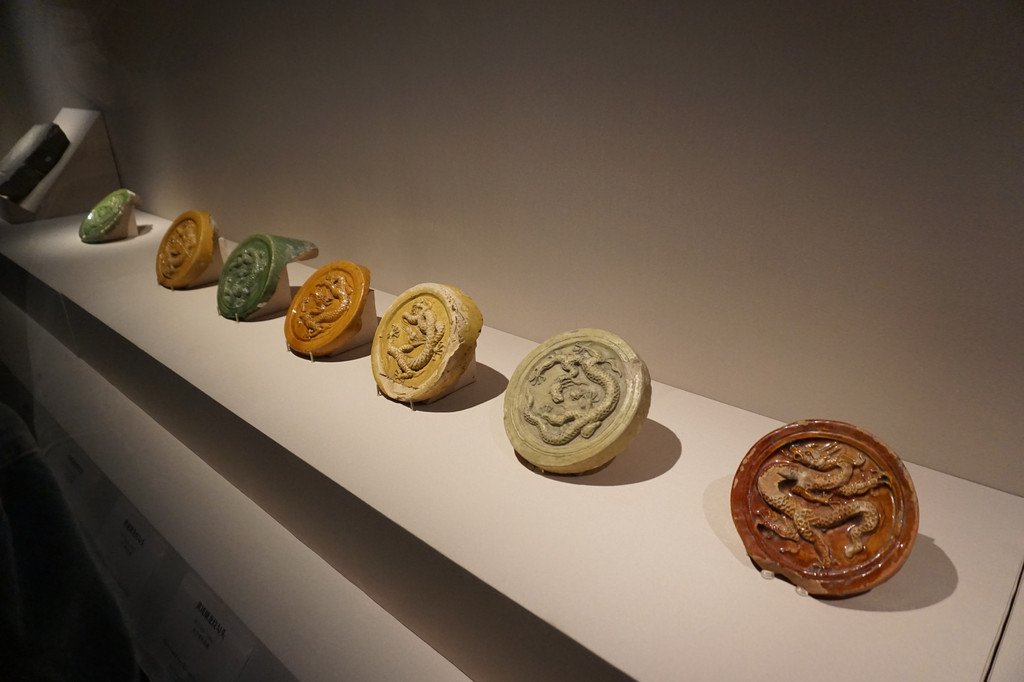
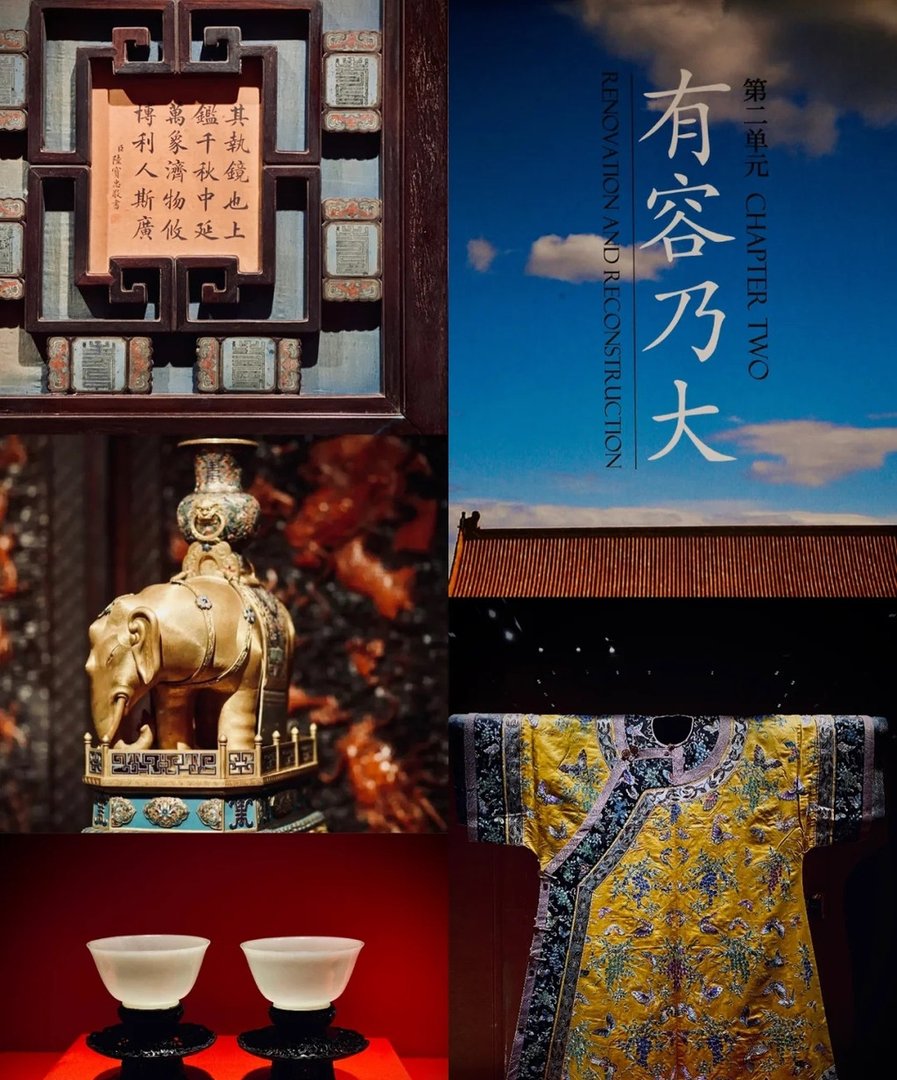
Second Section: Embracing All with Grandeur
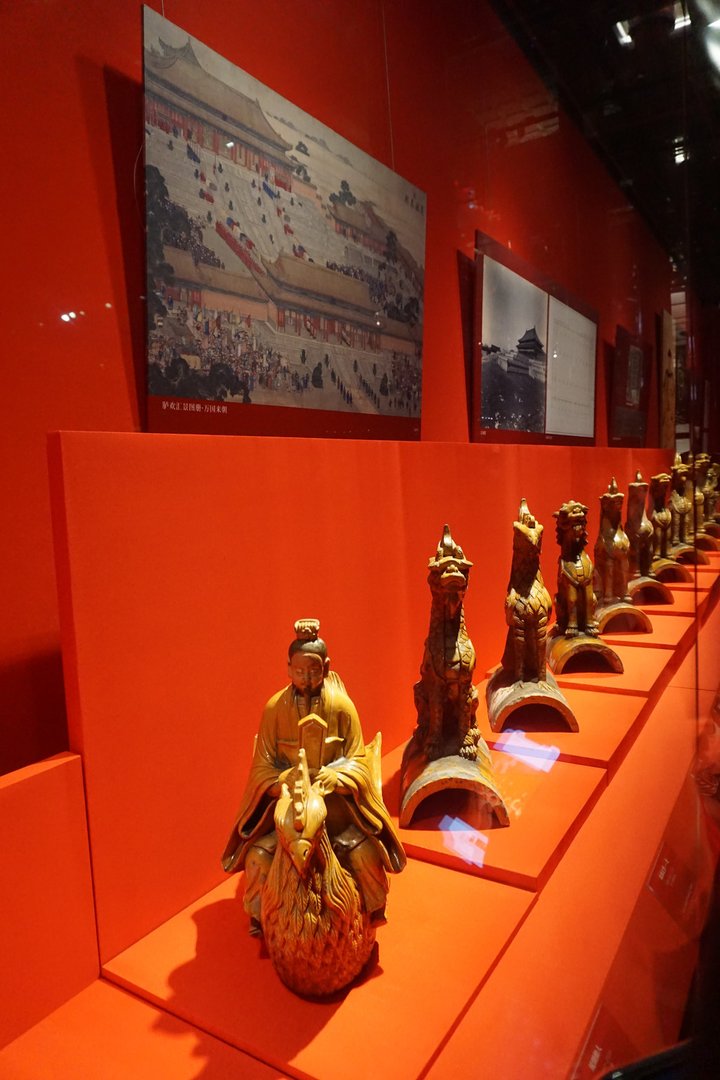
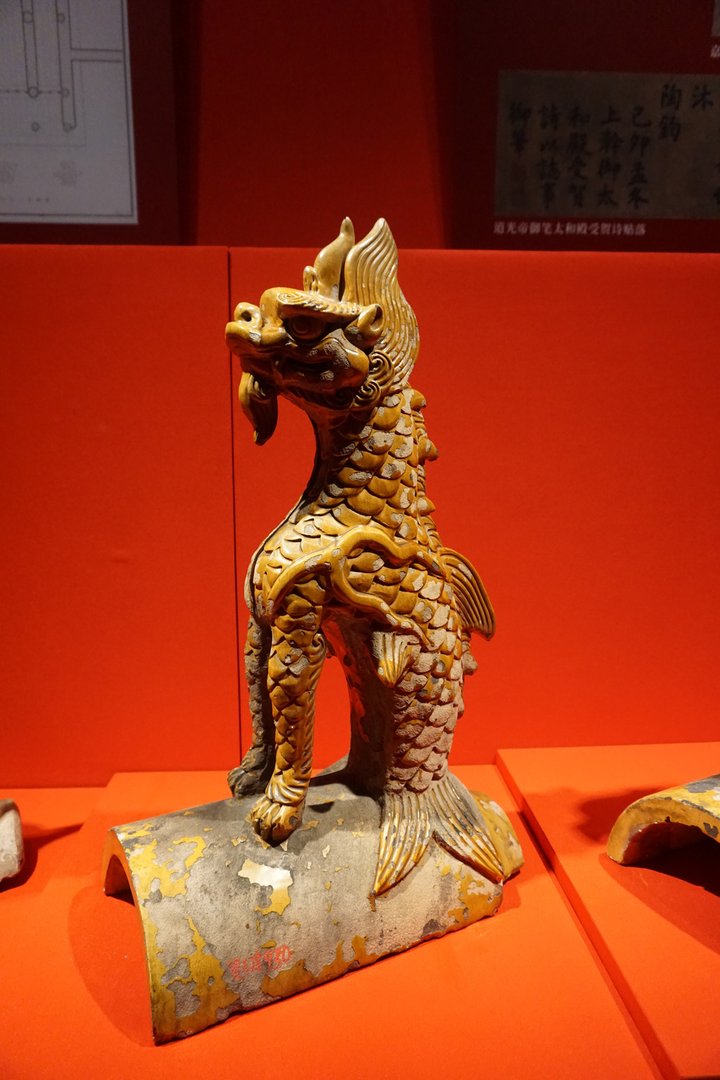
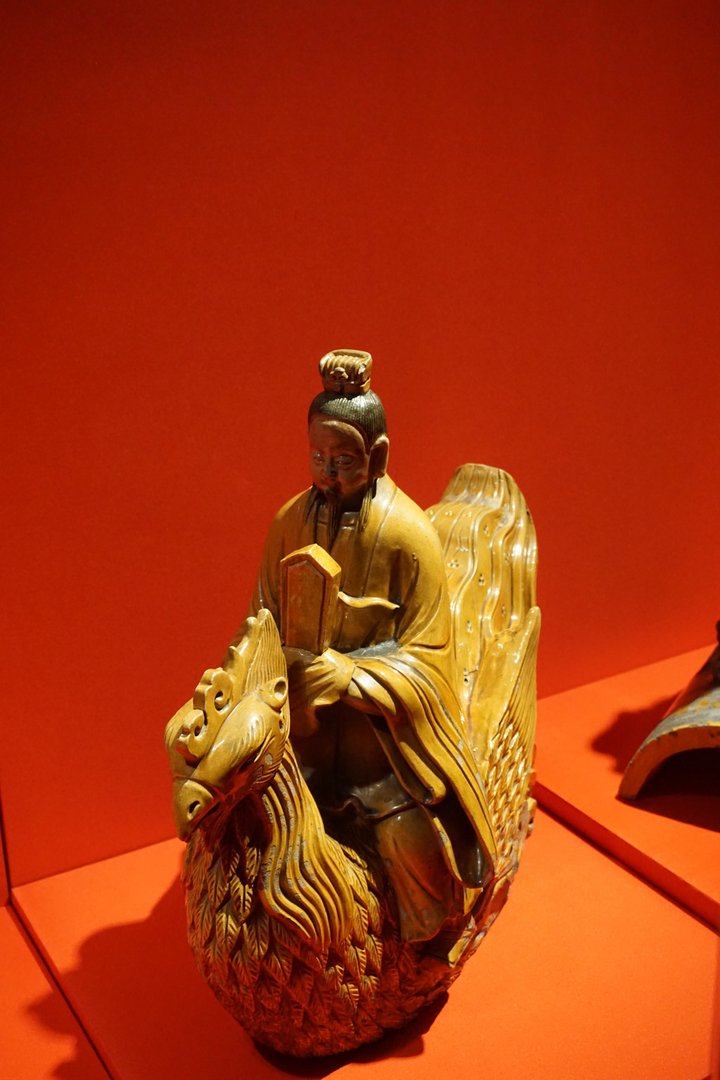
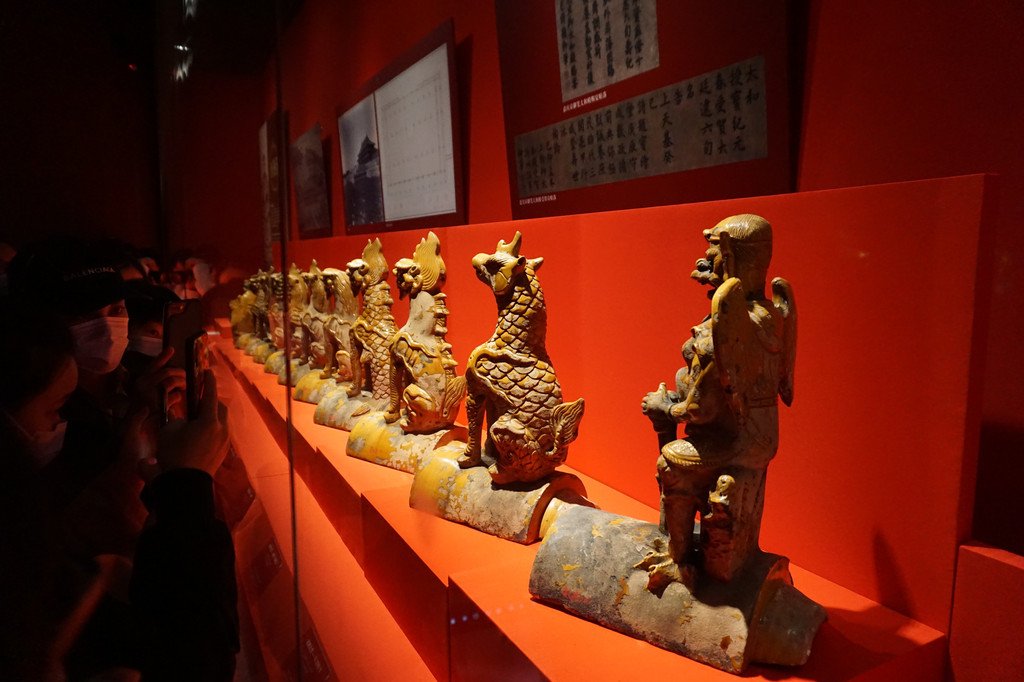
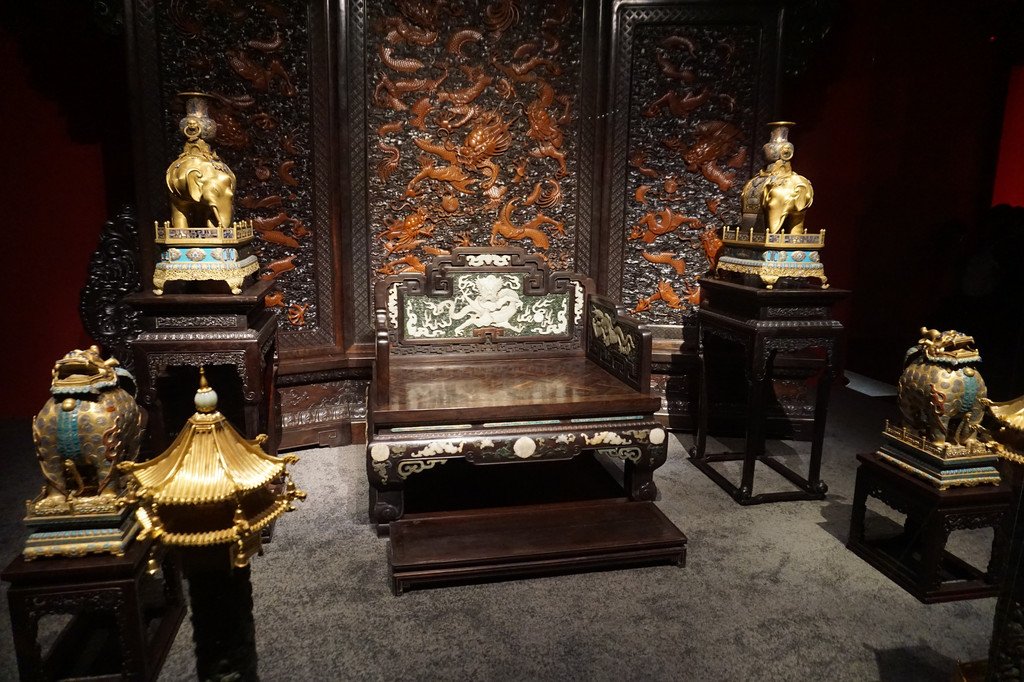
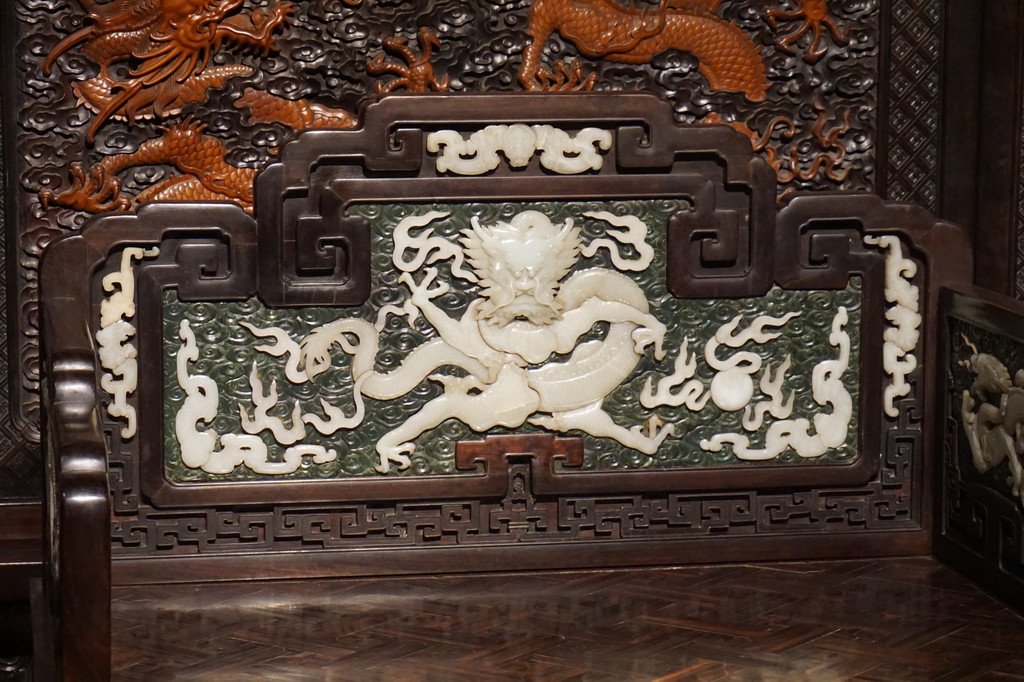
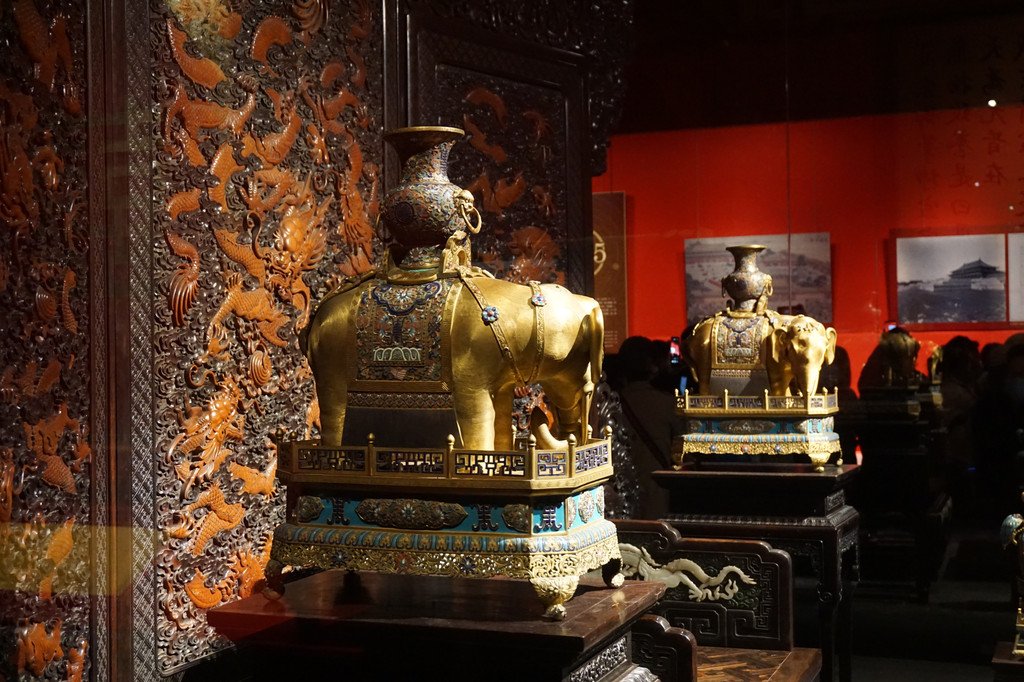
This section adopted a rich red color scheme to emphasize the magnificence and exquisite craftsmanship of the Qing dynasty’s palace architecture and interior decorations, while narrating the changes in the Forbidden City’s architectural layout and style during different periods of the Qing dynasty.
Through eight historical milestones, it recounted how ten Qing emperors renovated or rebuilt various parts of the Forbidden City to meet their administrative and residential needs, ultimately forming the basic layout we see today.
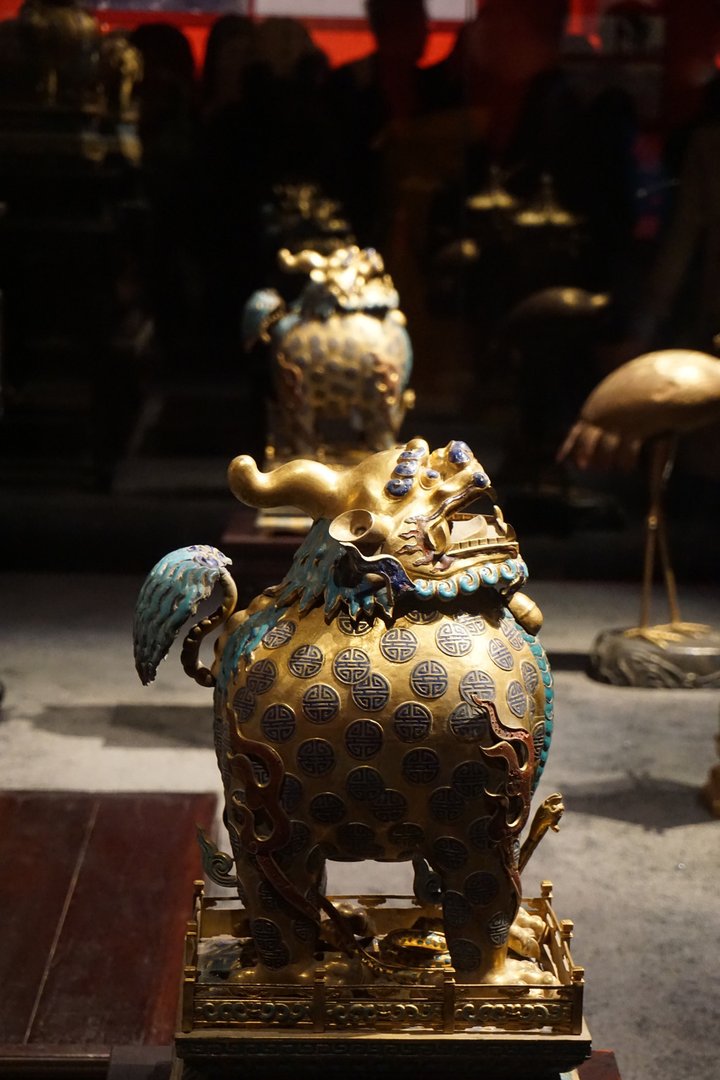
The exhibited artifacts reflected the cultural fusion of China’s diverse ethnic groups and the wisdom of the working people. This section was the most splendid, and wherever crowds gathered, you could be sure there were treasures to behold!
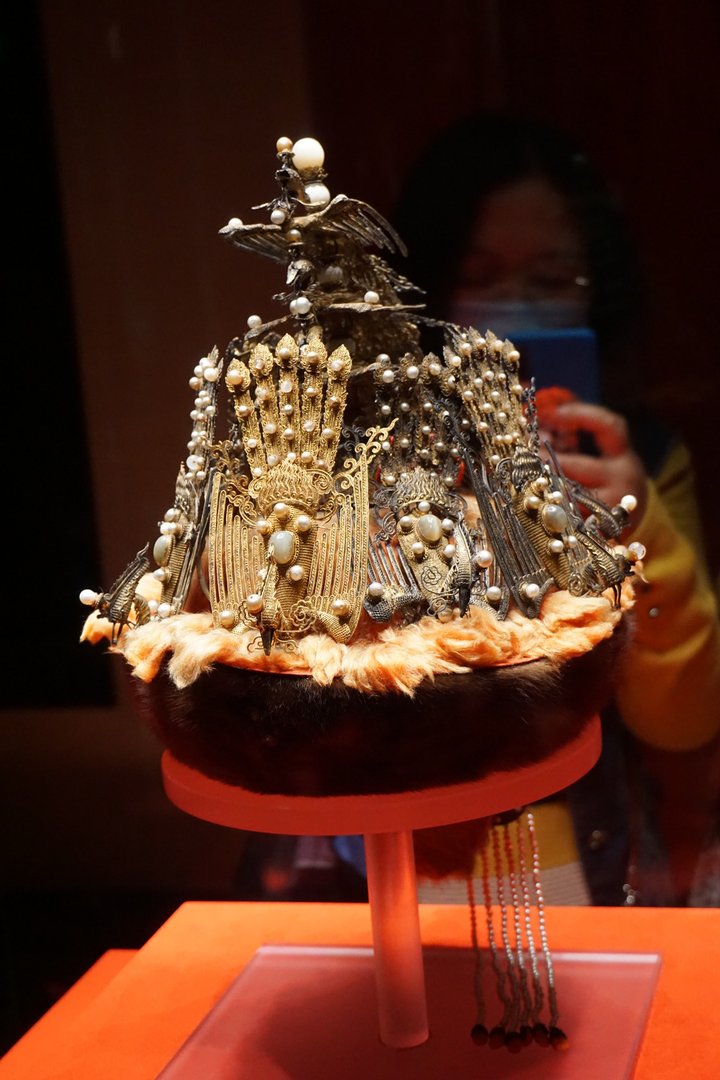
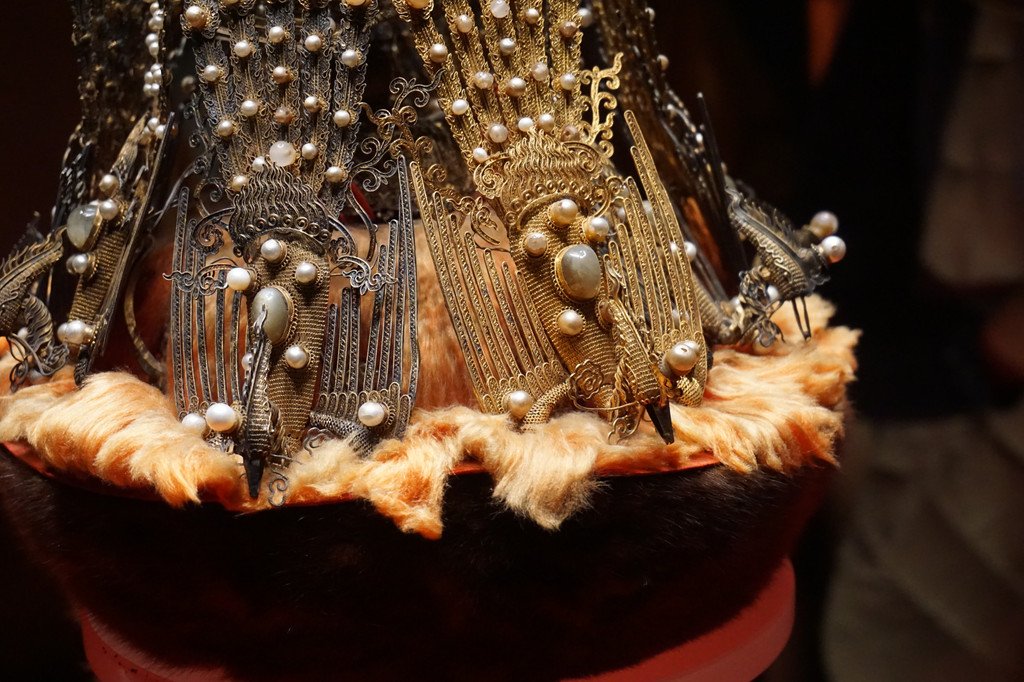
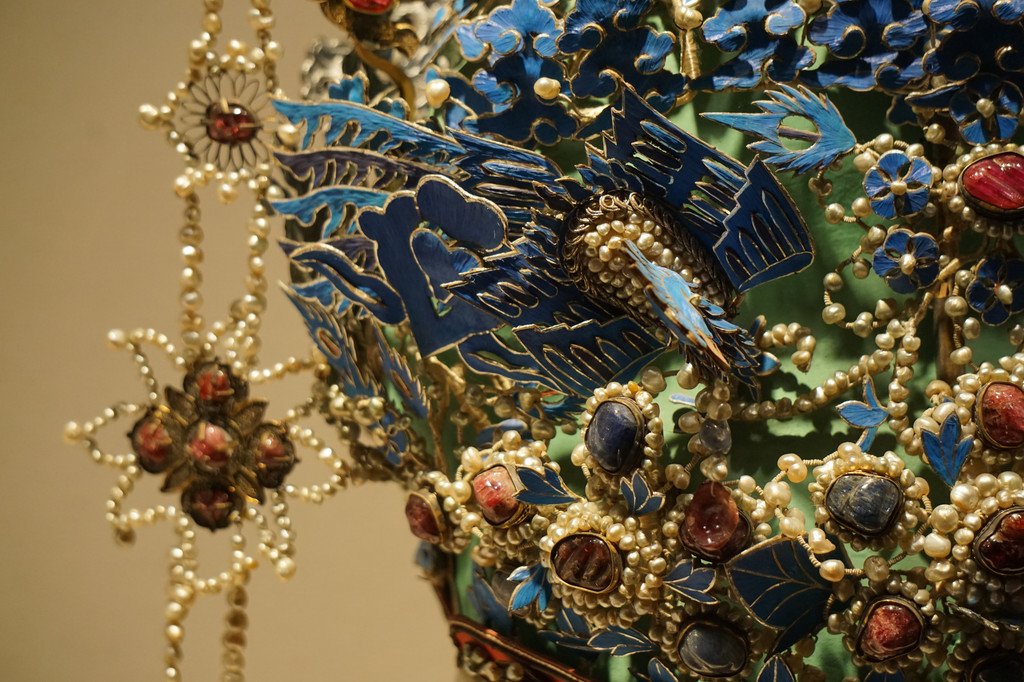
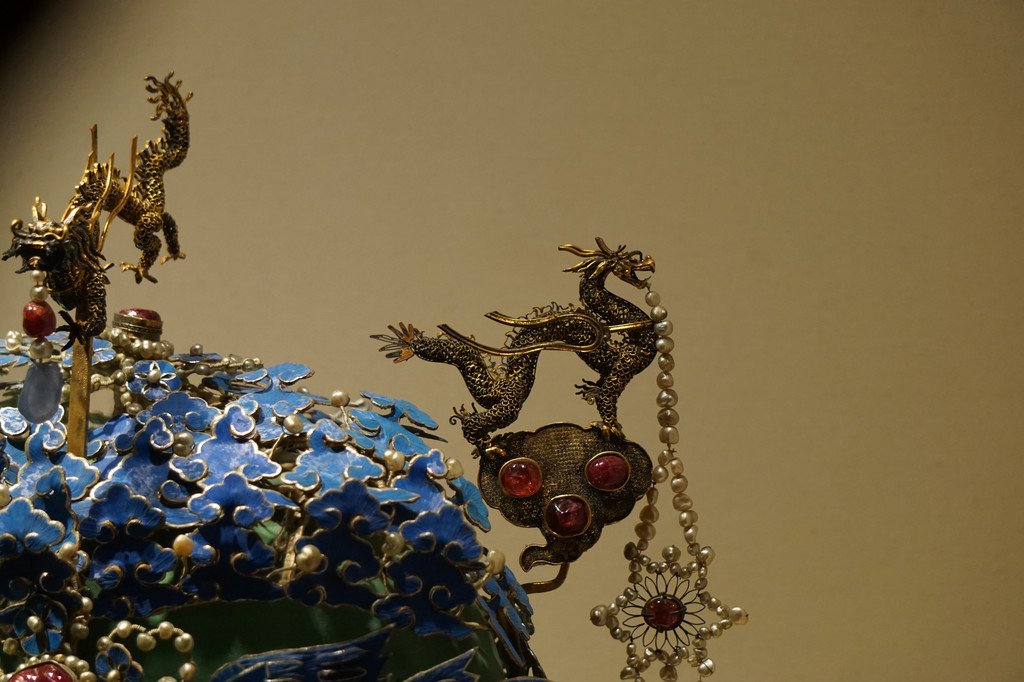
Sable fur winter court crown with golden phoenix and embedded jewels, worn by the Qing empress during her wedding ceremony.
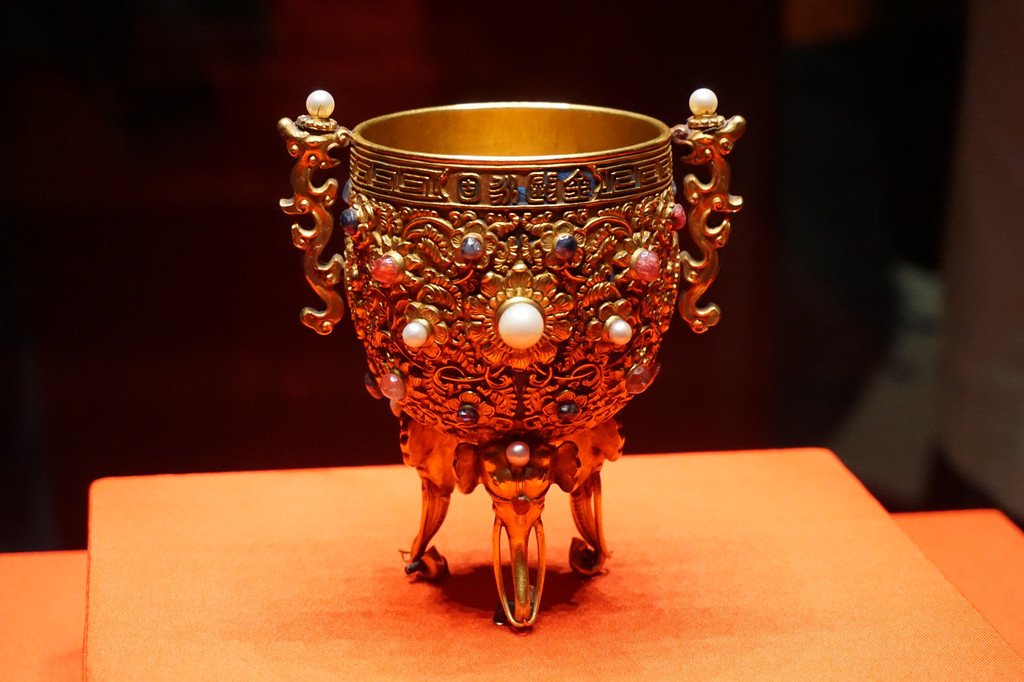
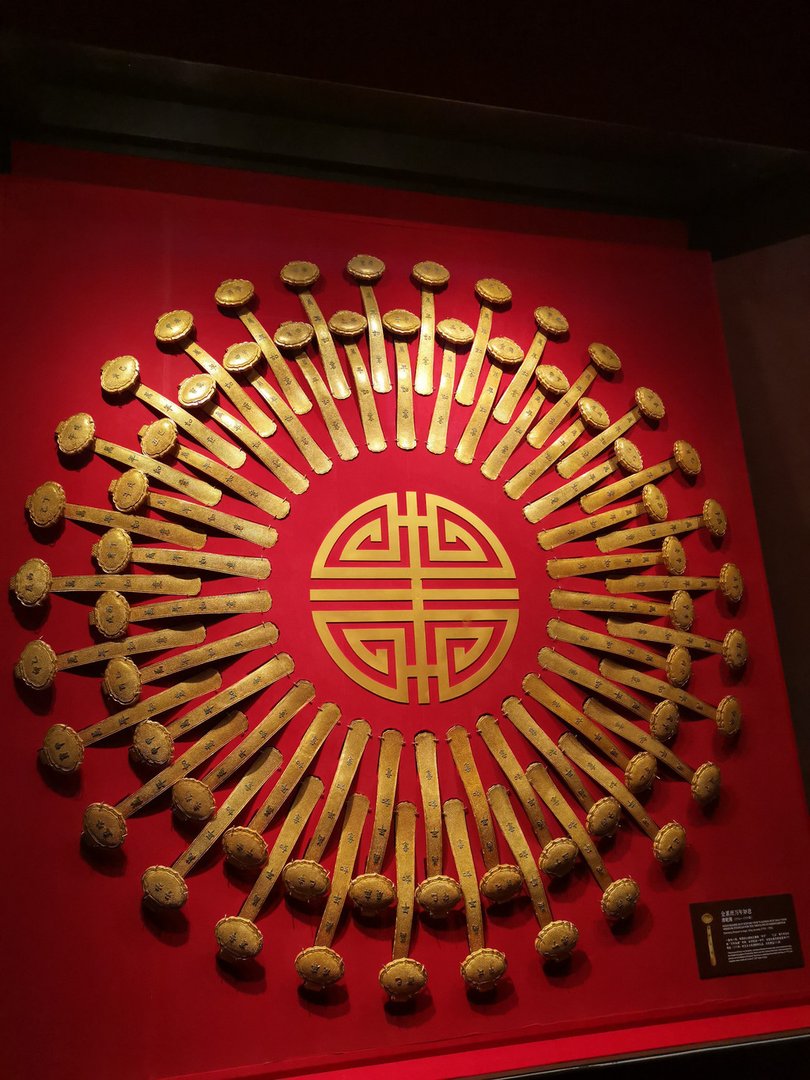
Gold cup with embedded pearls and stones for eternal prosperity (Qing Jiaqing 2nd year). Every New Year’s Eve at midnight, the emperor would use this cup to drink tusu wine in the Hall of Mental Cultivation (Yangxin Dian), then write auspicious opening phrases with his brush.
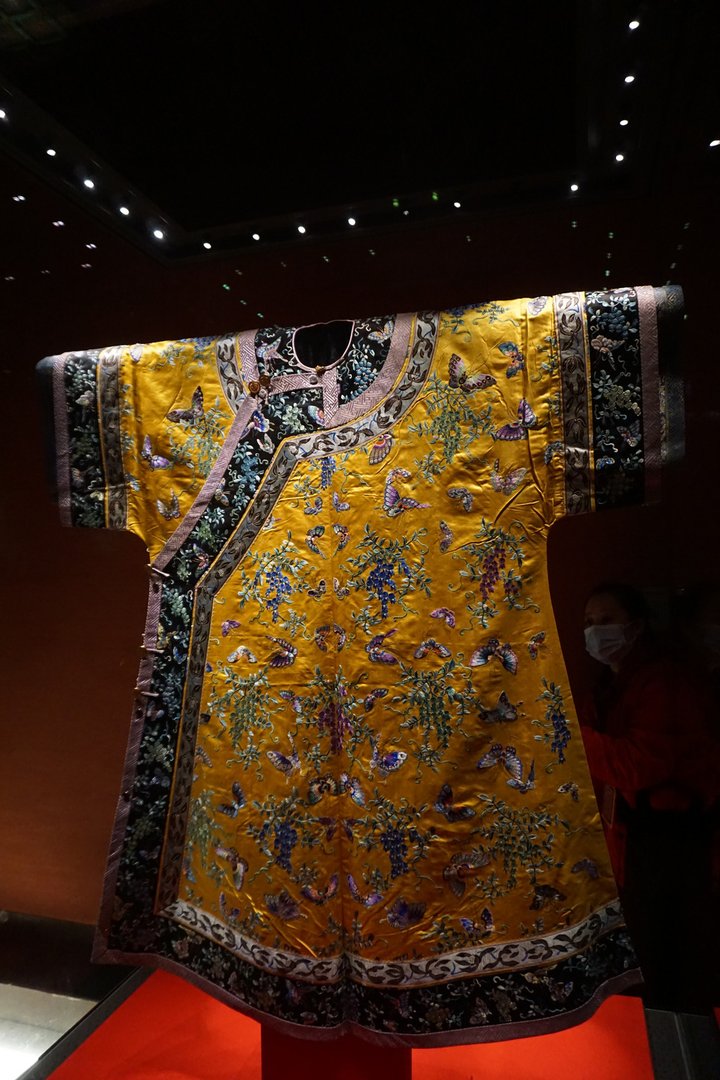
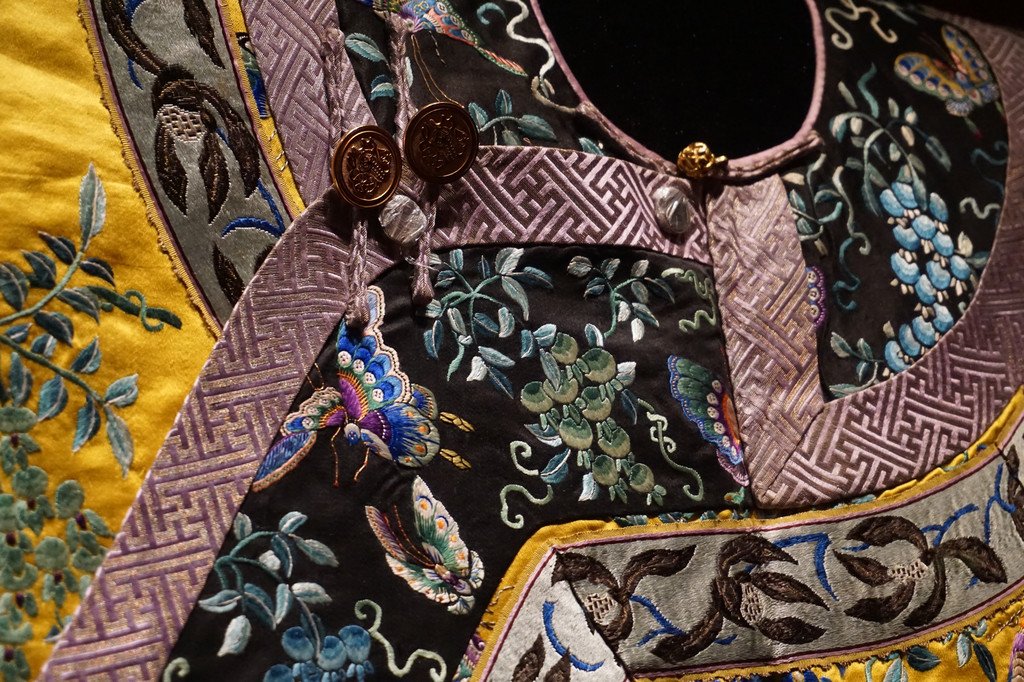
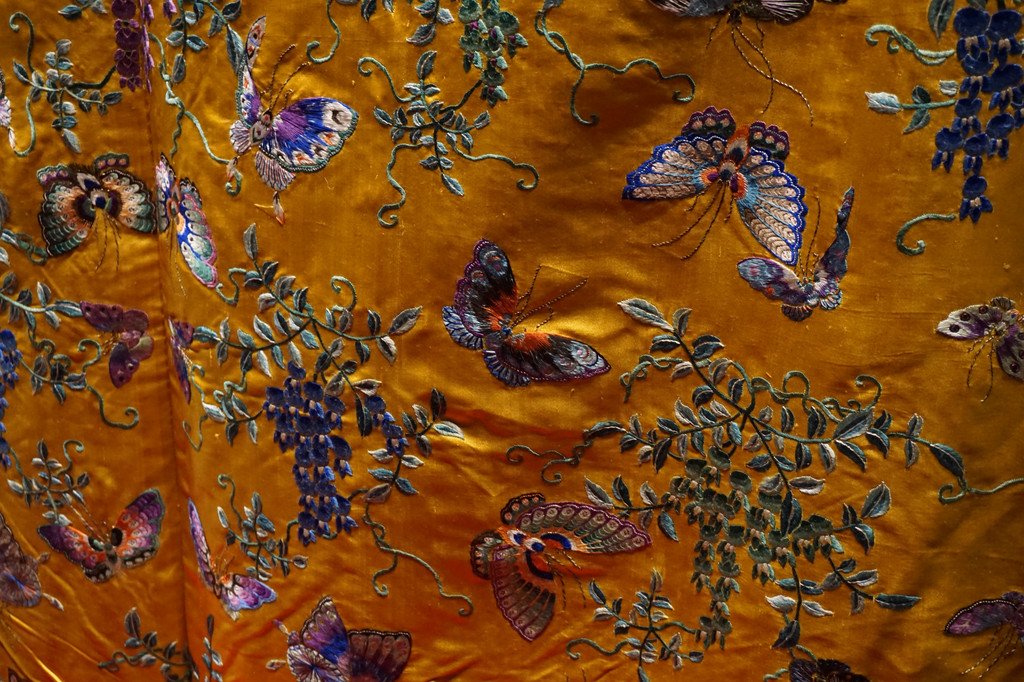
Bright yellow satin embroidered with wisteria pattern inner garment
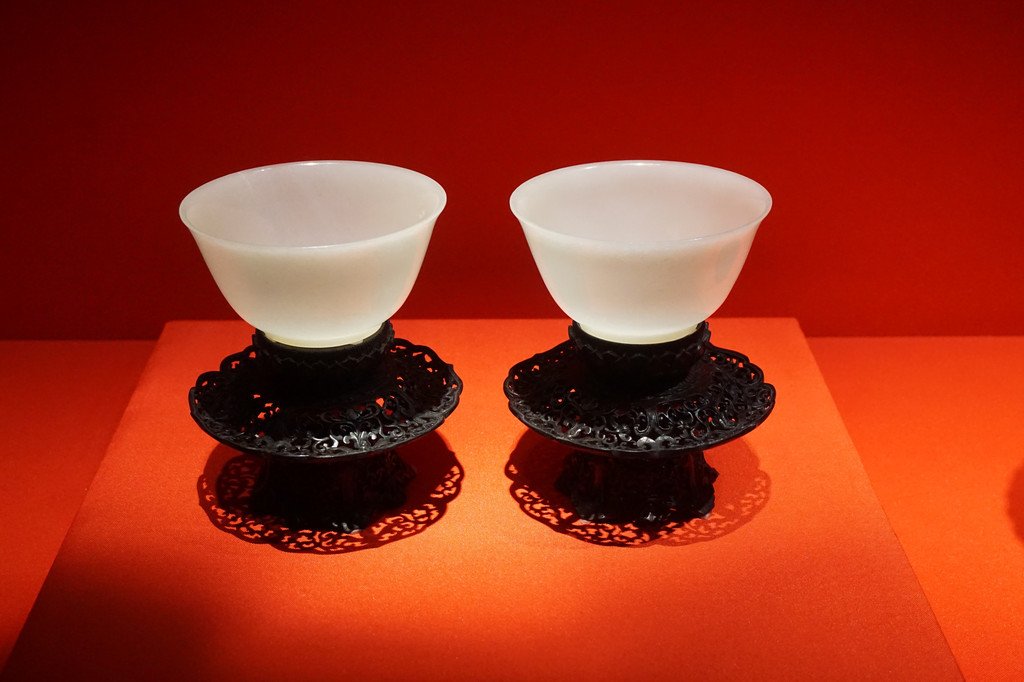
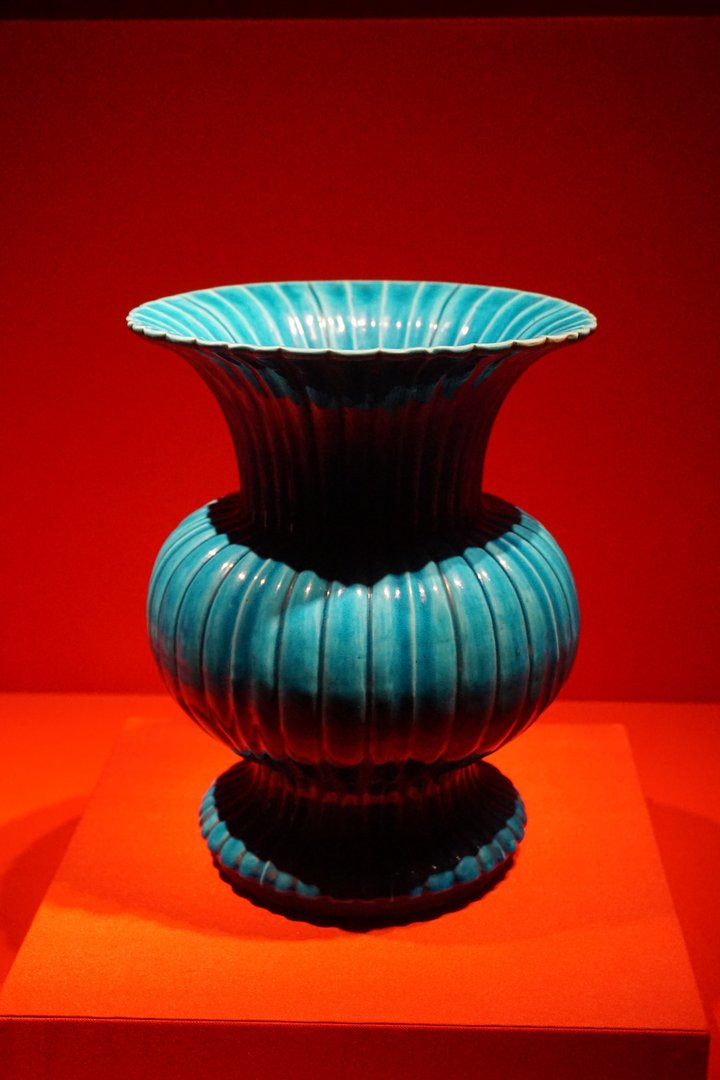
White jade flared bowl
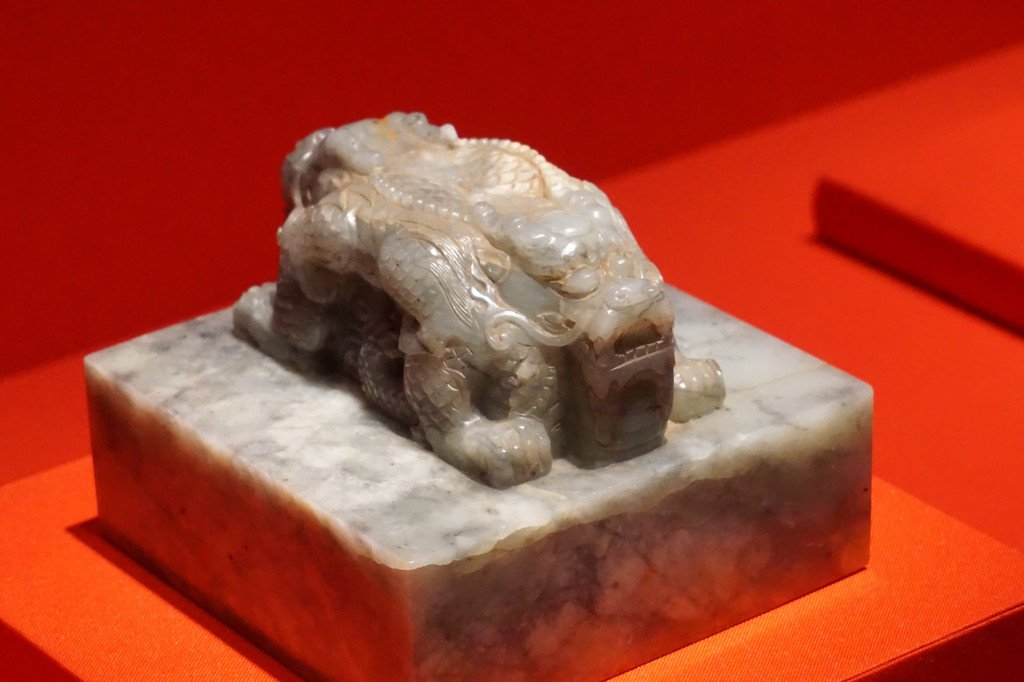
Green jade seal with intertwined dragon knob “Treasure of Emperor Xianfeng’s Imperial Brush”
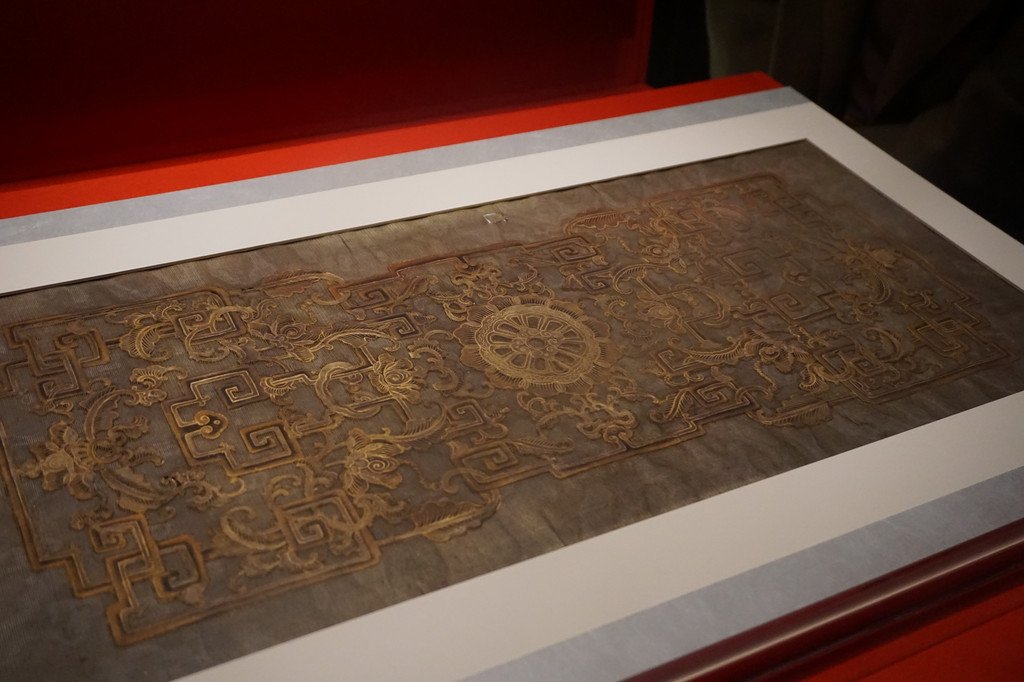
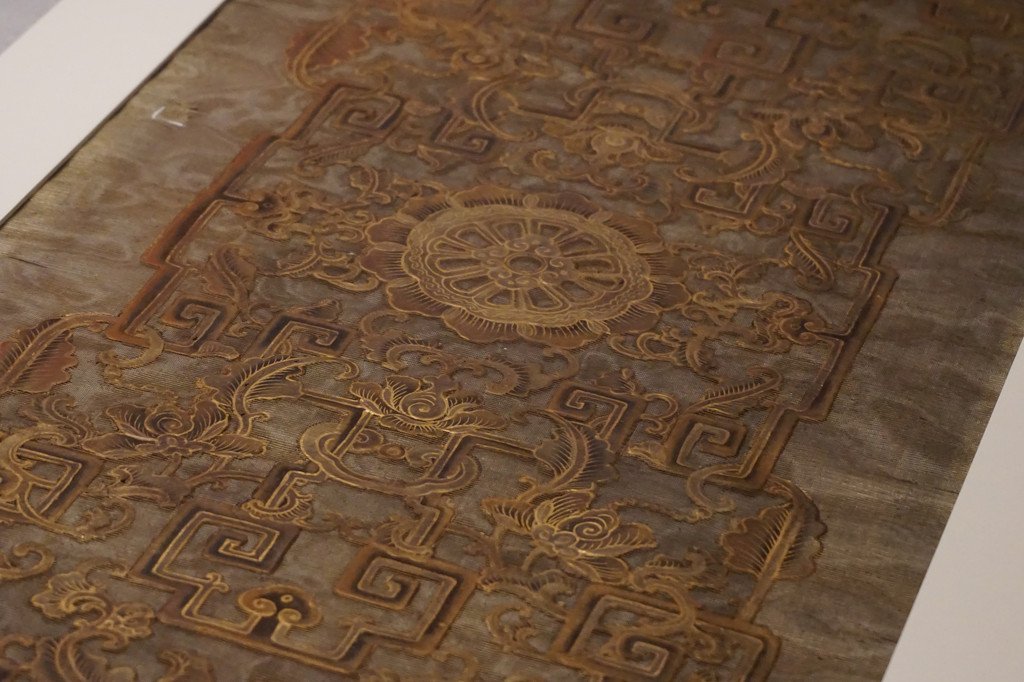
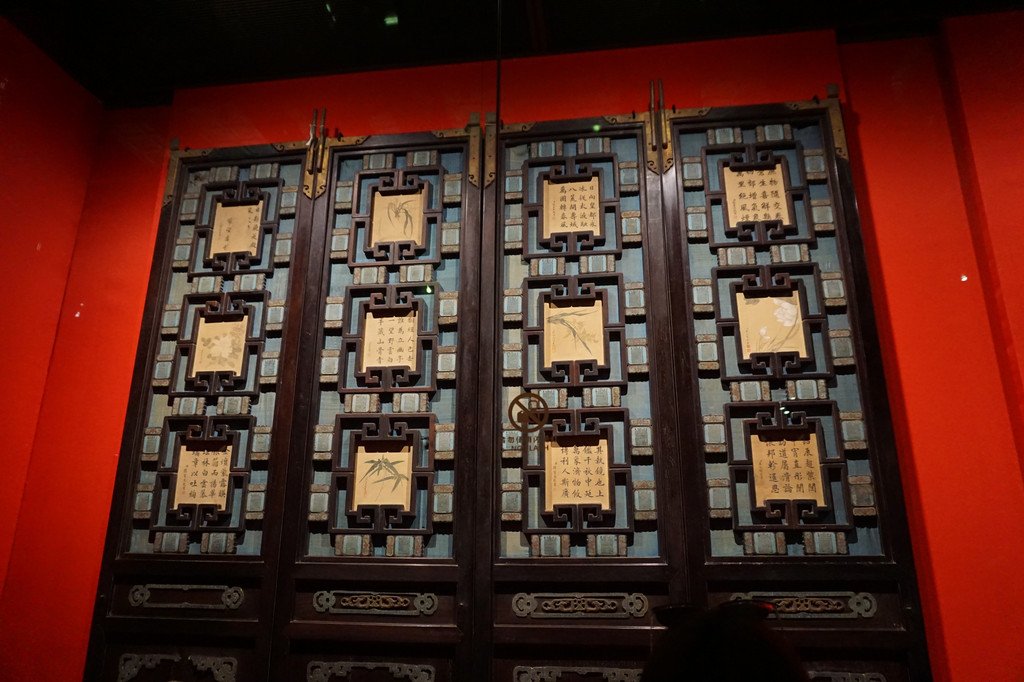
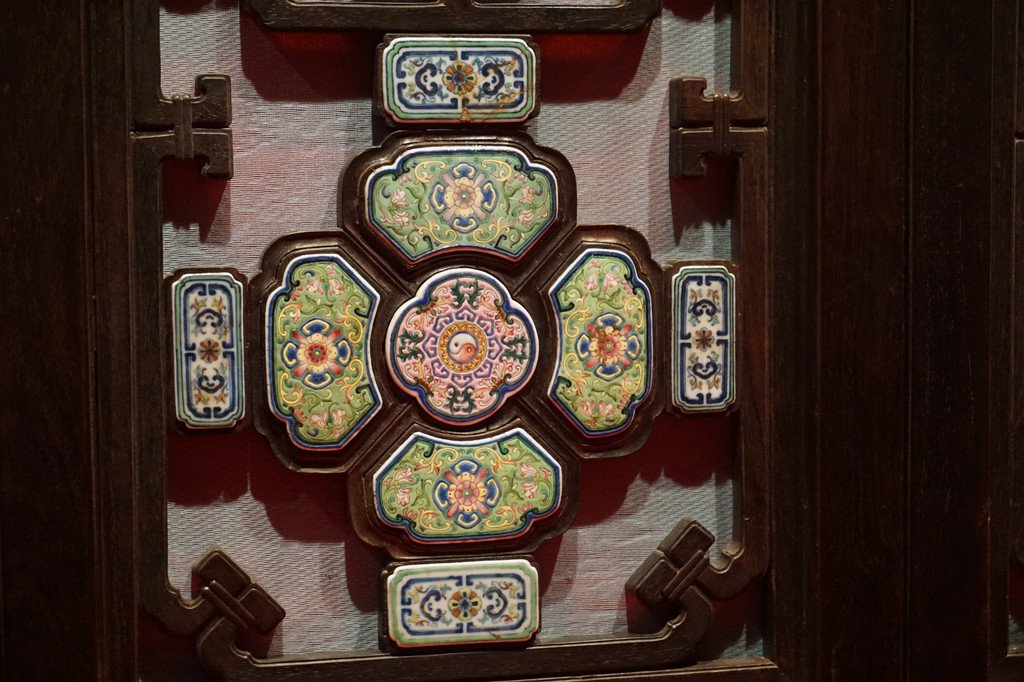
Gilded silver lacquer gauze horizontal window panel from the southern room of Fuwang Pavilion. This lacquer gauze is about as thick as a sheet of paper, but it consists of 6 layers: gauze core layer, paper pattern layer, gold foil layer, base layer, shading layer, and outline layer.
This window panel was originally used in the place where Emperor Qianlong lived after his retirement. The front and back patterns are identical, with 11 layers in total, yet paper-thin thickness. It allows light to pass through. Such craftsmanship was used as window panels in the Forbidden City, and many of its techniques remain unsolved mysteries to this day. Moreover, this artifact’s first public display may also be its last, as it will likely never be exhibited again.
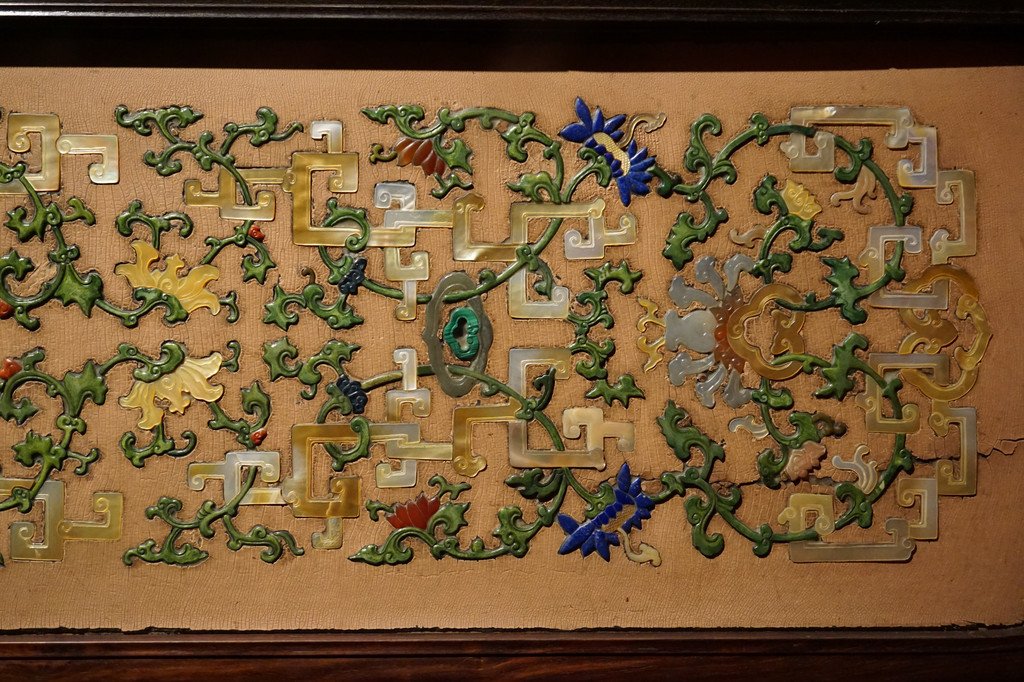
Purple sandalwood frame with hundred treasures inlay kang edge board from the western room of Fuwang Pavilion. Even the kang edge was so exquisite—I spent a long time examining it closely!
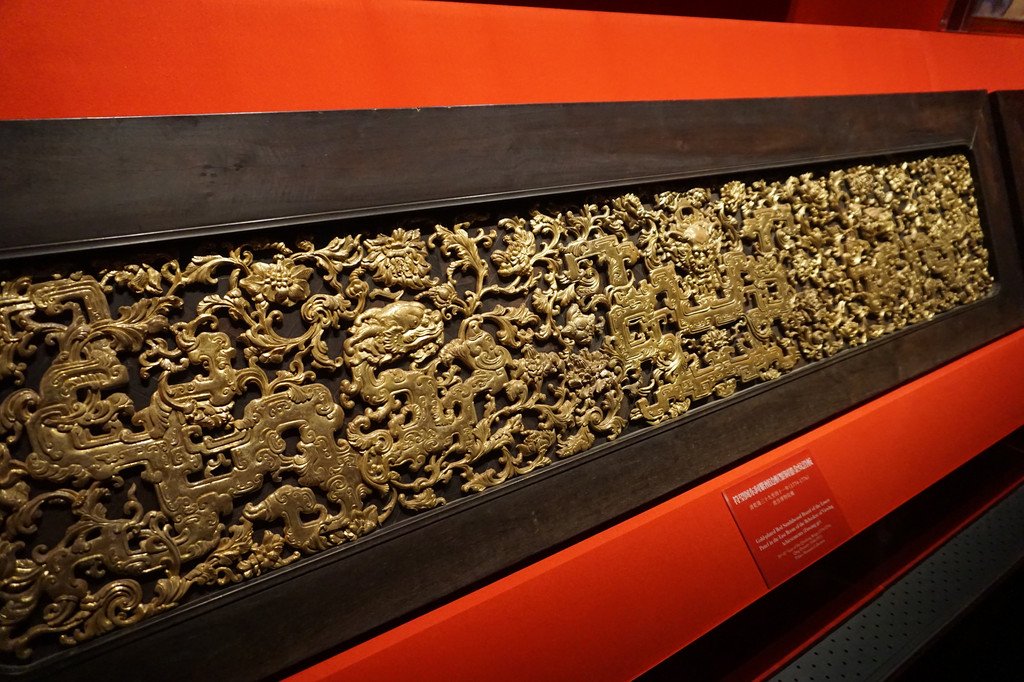
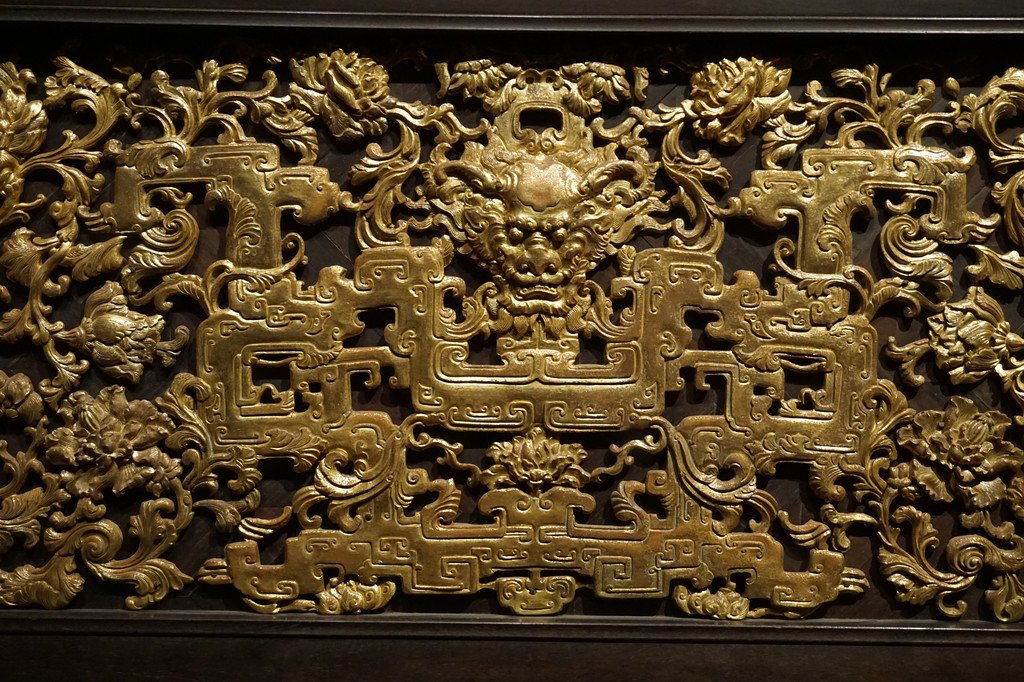
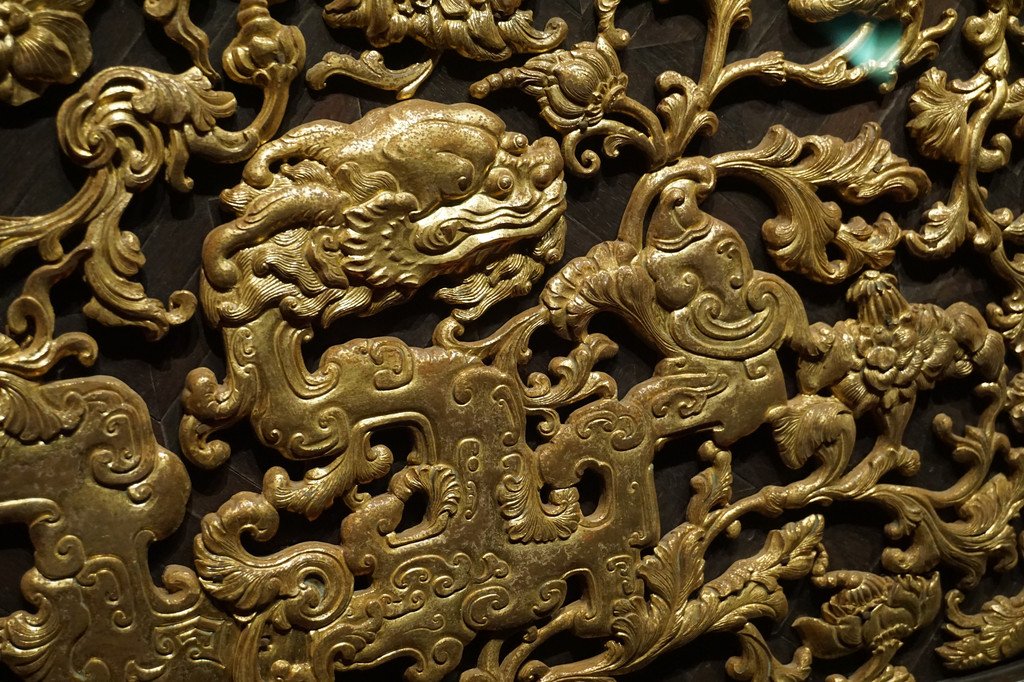
Purple sandalwood frame with chased copper gilt kang edge board from the eastern room of Fuwang Pavilion
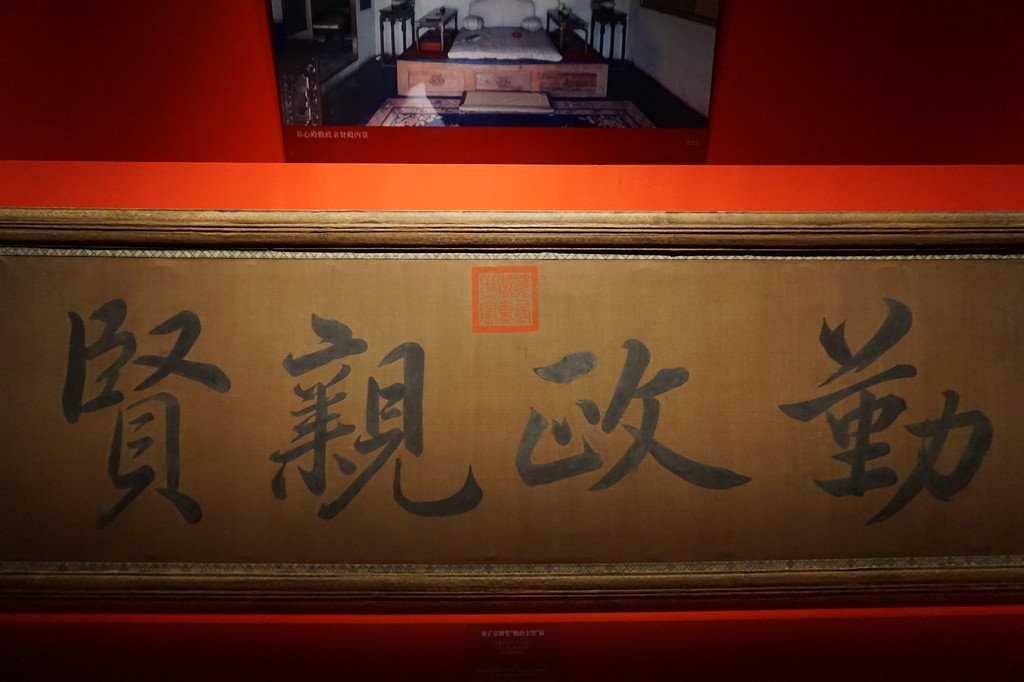
Emperor Yongzheng’s imperial calligraphy plaque “Diligent Governance, Close to the Virtuous”
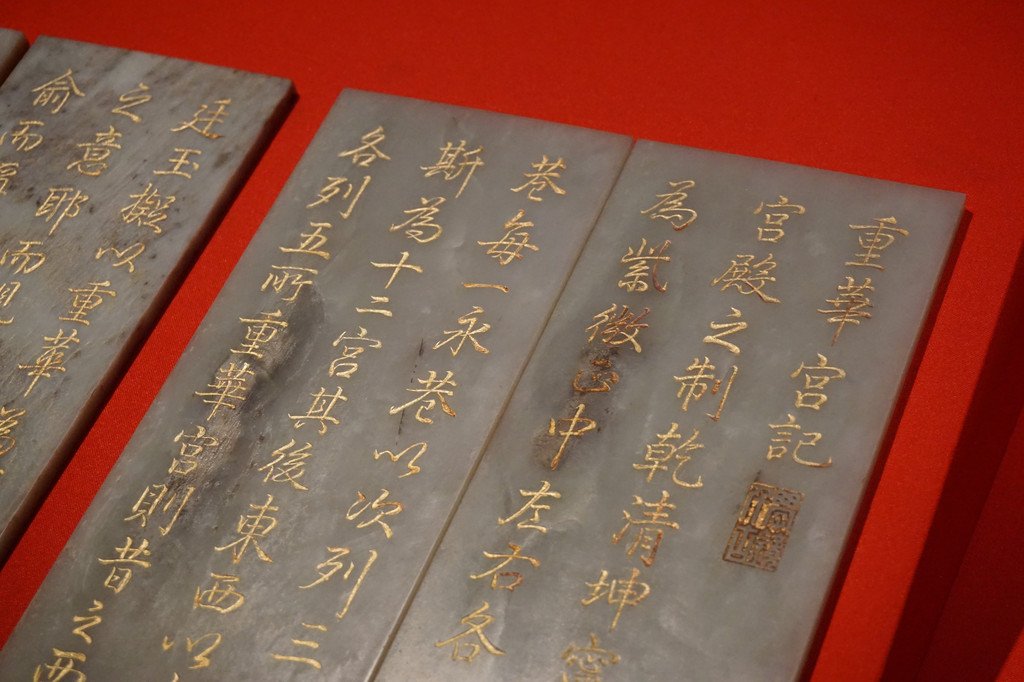
Third Section: Endless Vitality
This section used a green color scheme to represent the vibrant and flourishing development of the Palace Museum since its establishment. Through seven historical milestones, it recounted the events that occurred after the former imperial palace became a museum, including the southward evacuation of palace artifacts during wartime and the architectural surveys of the central axis buildings. Numerous old photographs, archival materials, and physical exhibits presented the Palace Museum’s achievements and development process in various aspects since its establishment.
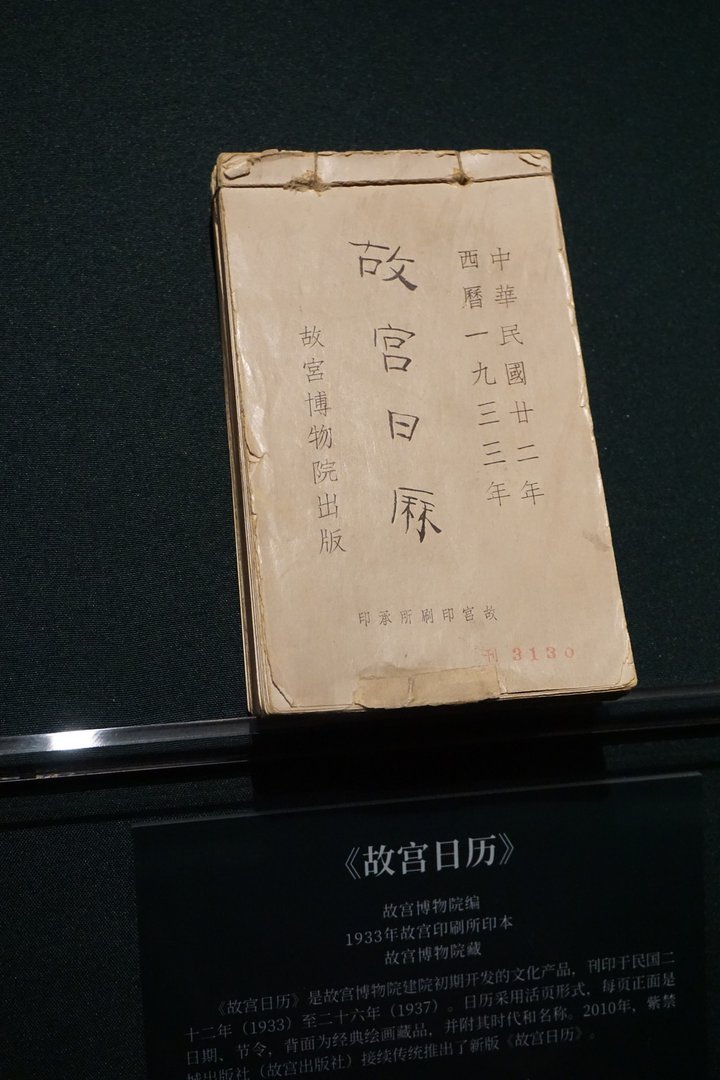
The earliest edition of the Palace Museum calendar
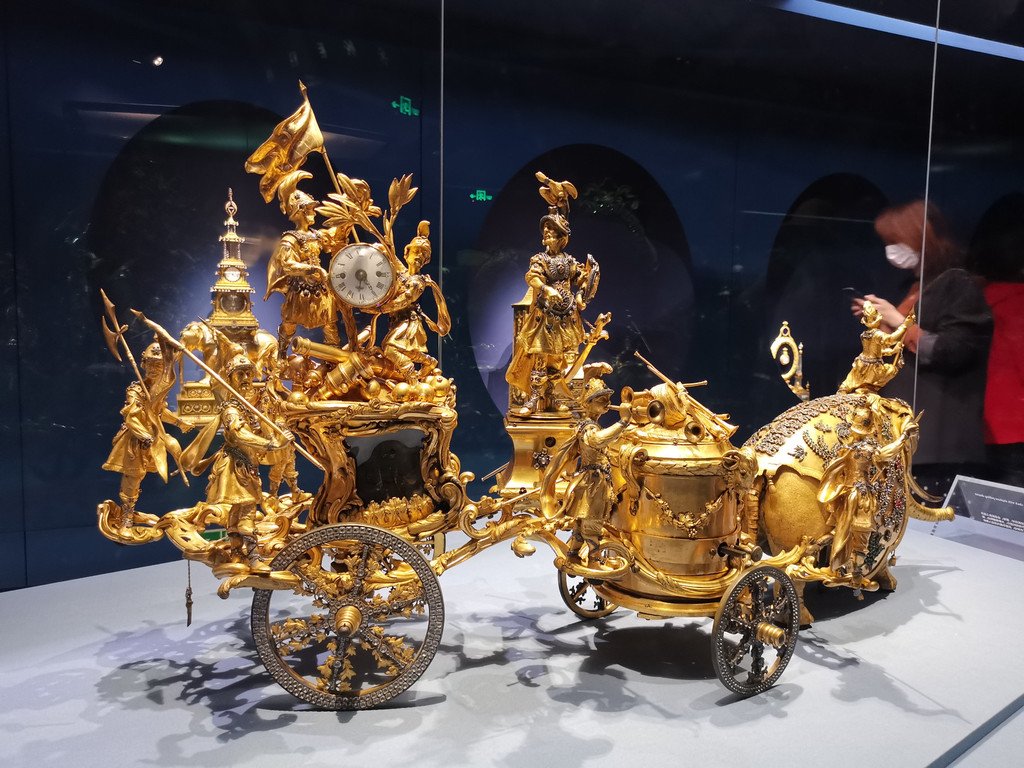
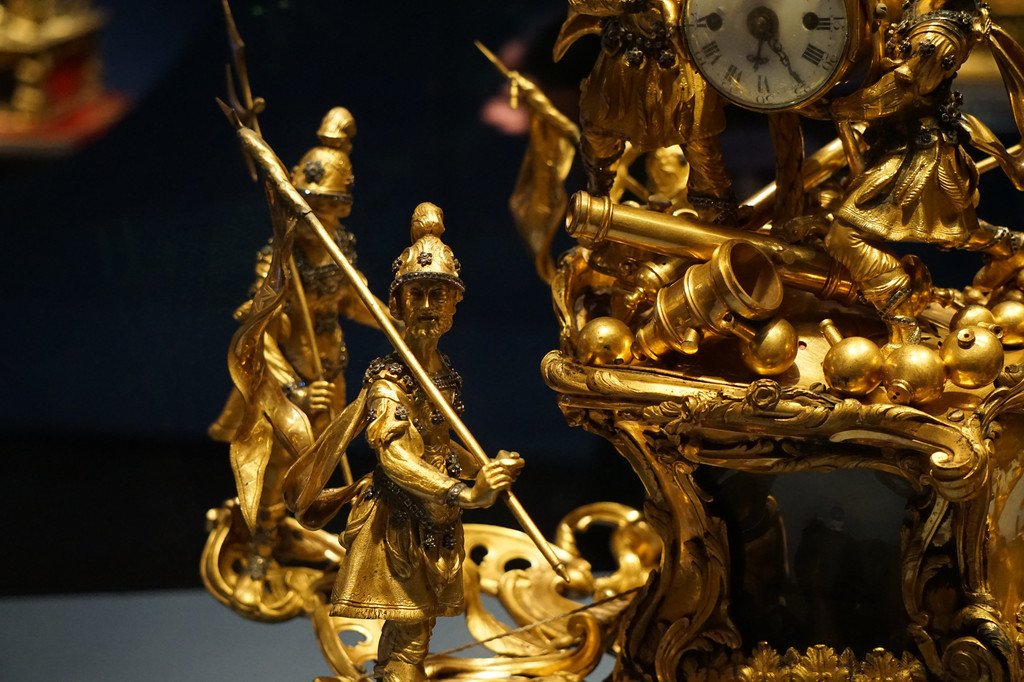
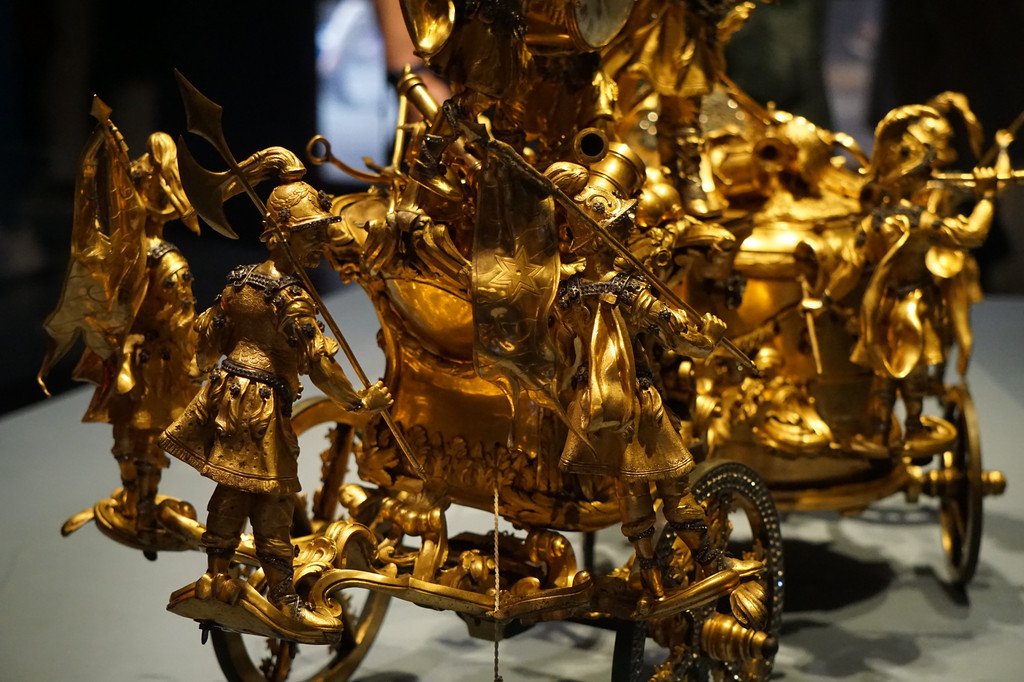
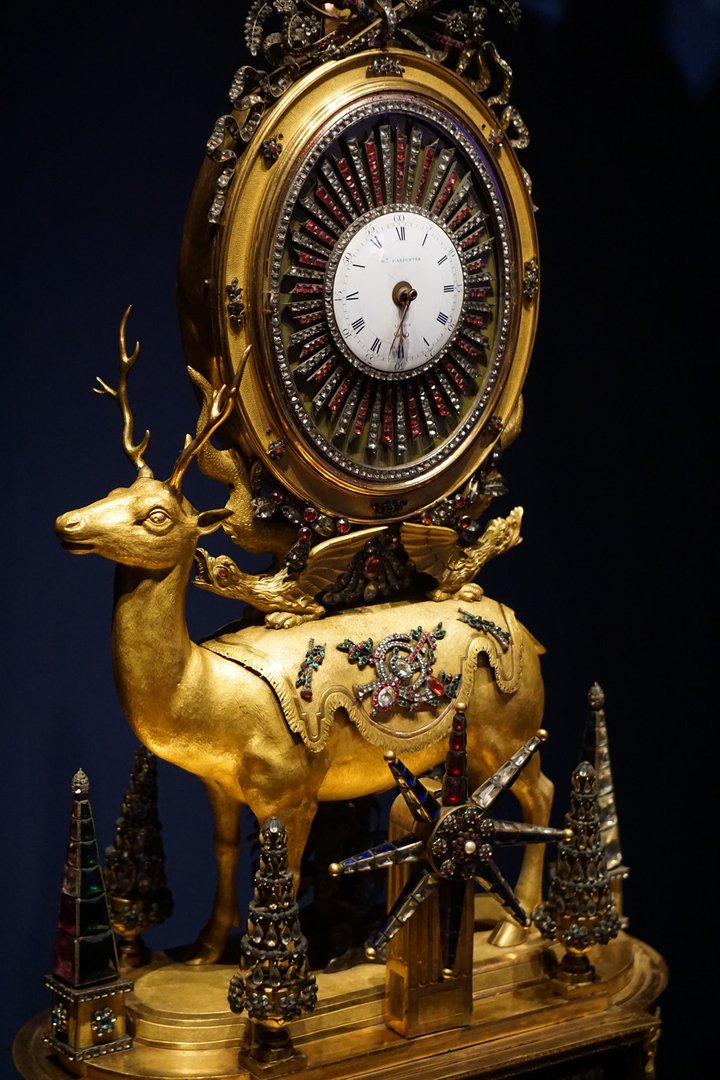
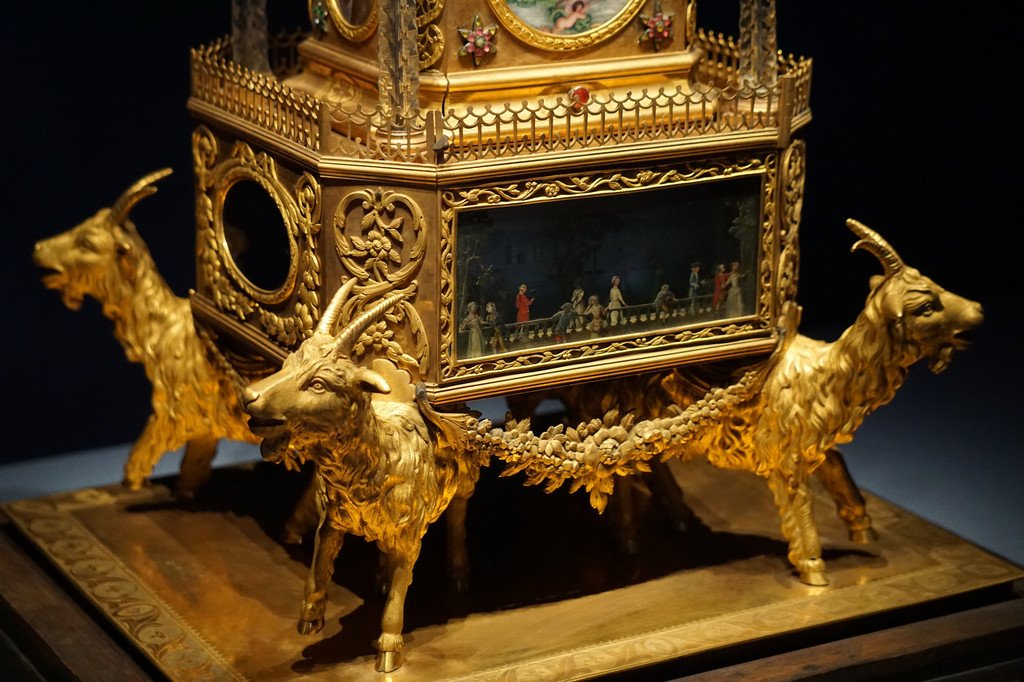
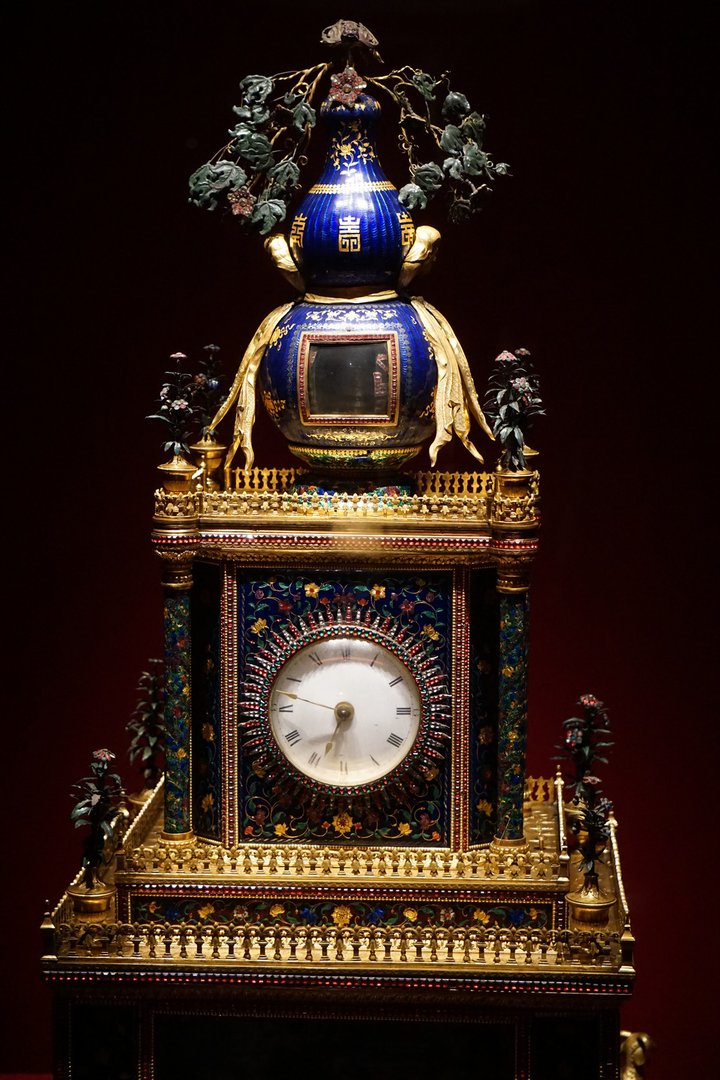
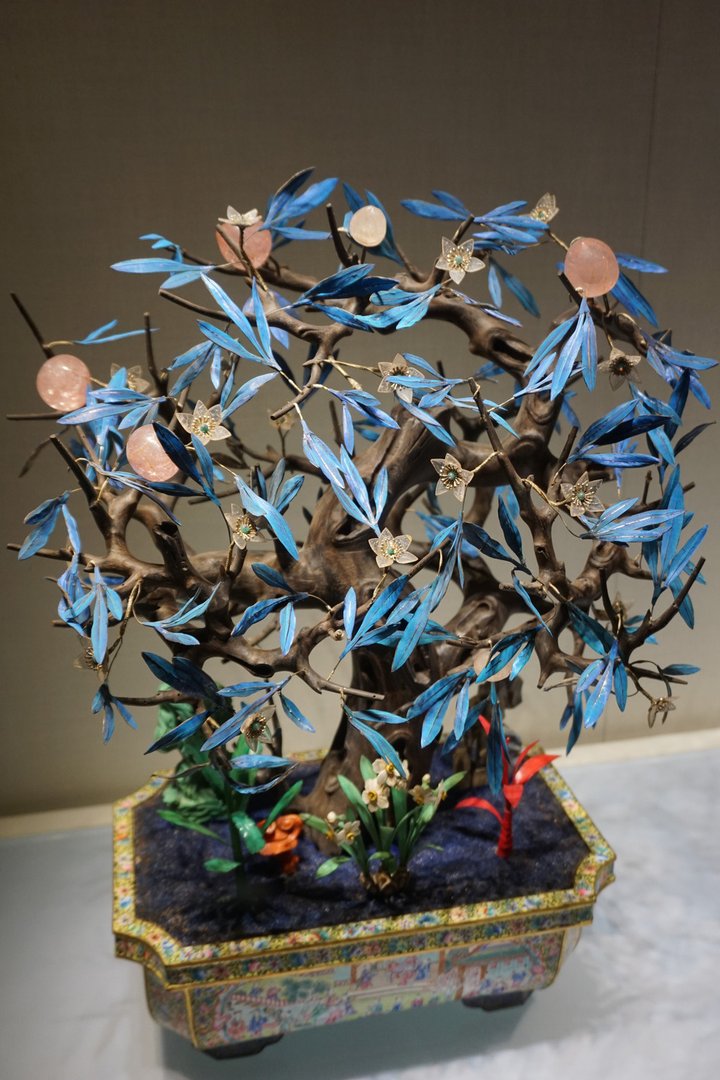
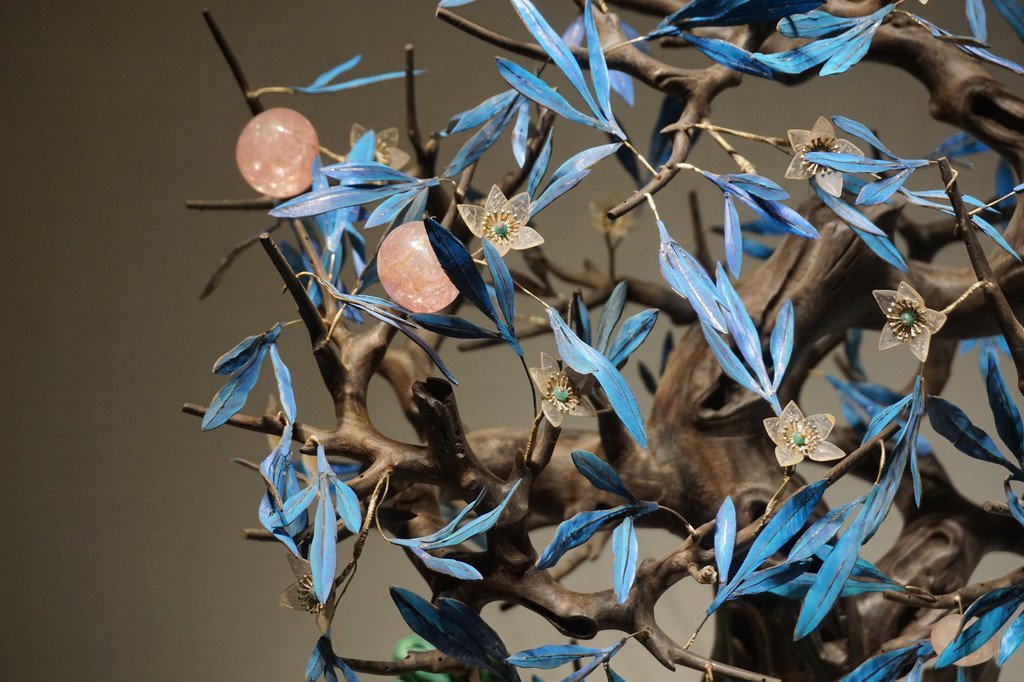
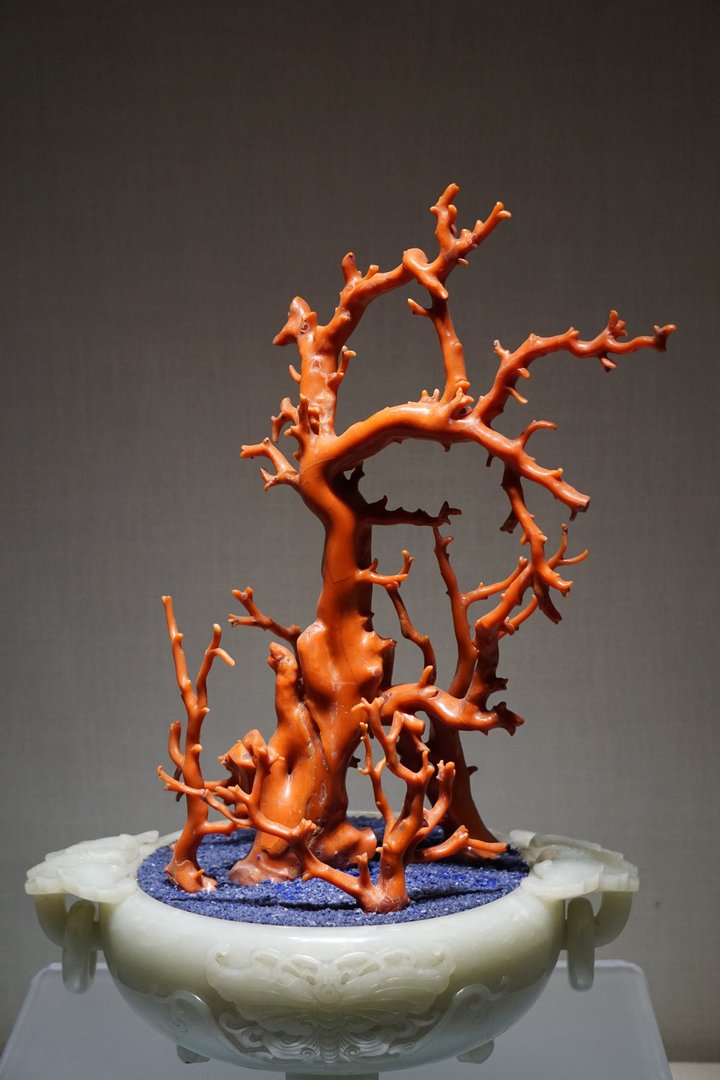
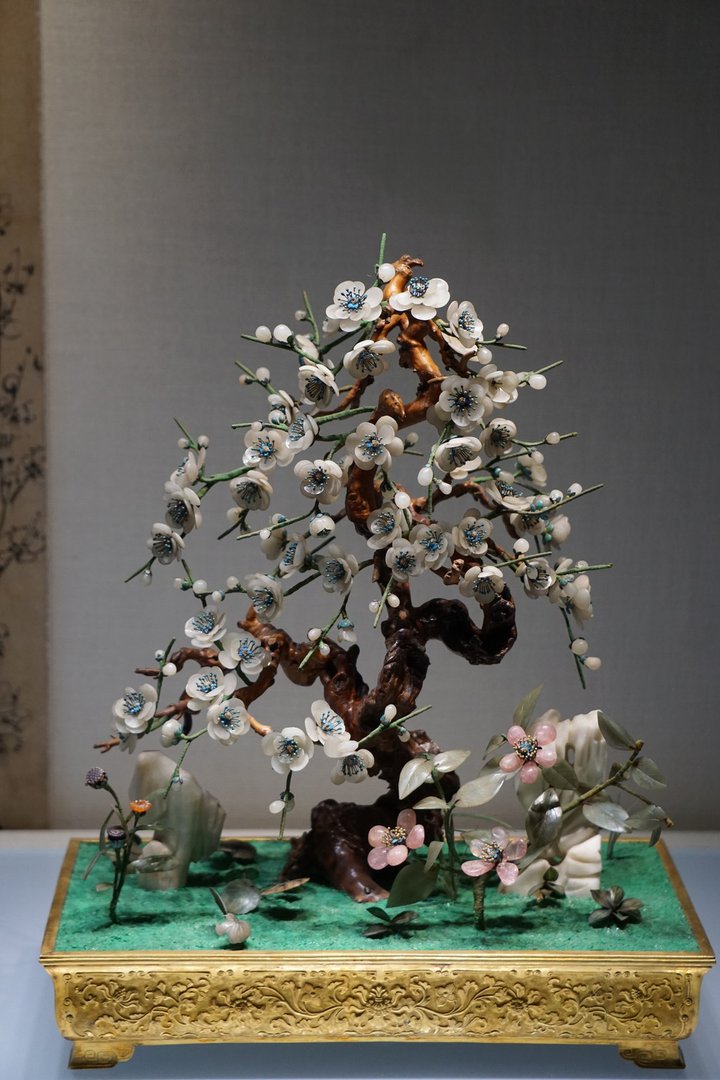
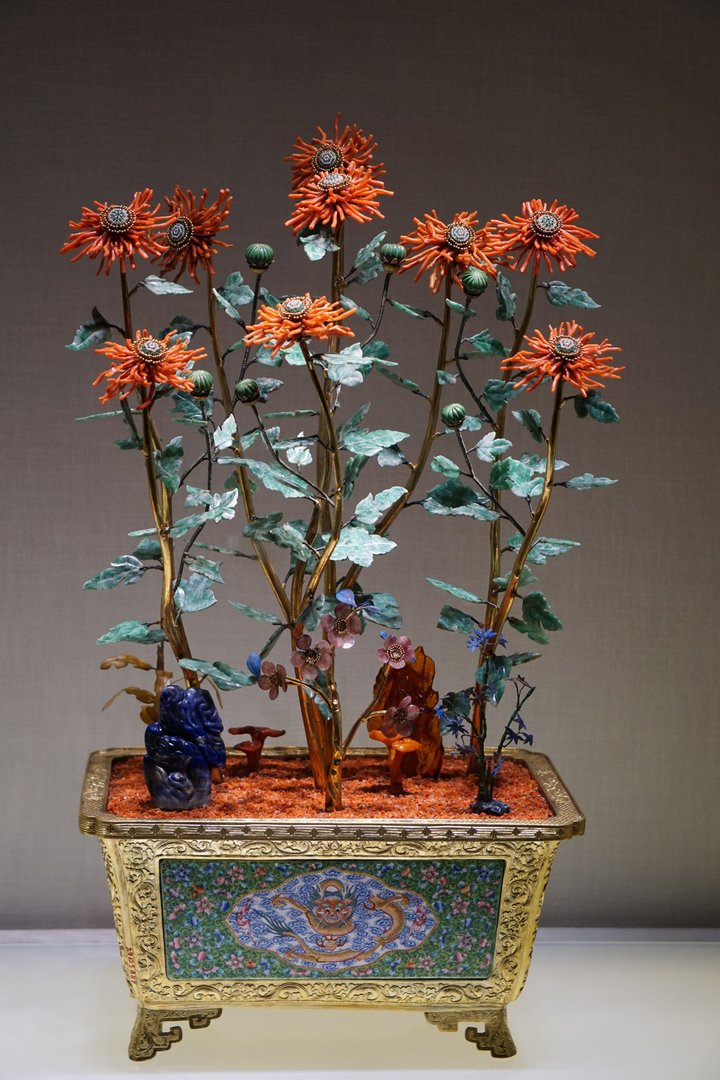
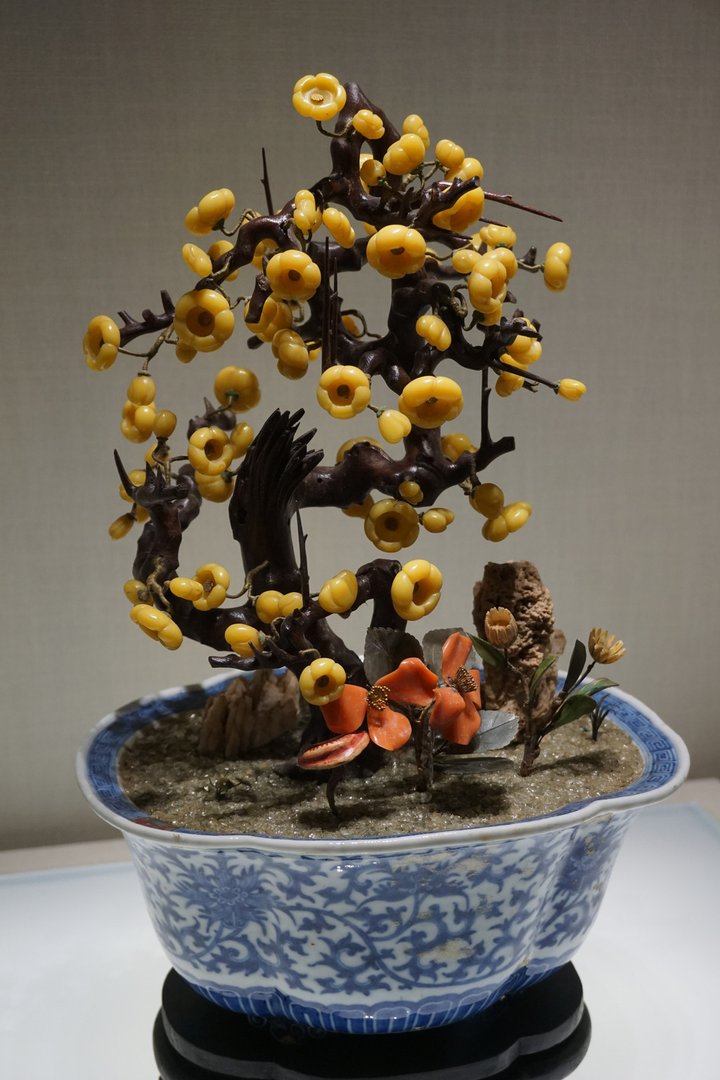
These bonsai are truly exquisite masterpieces
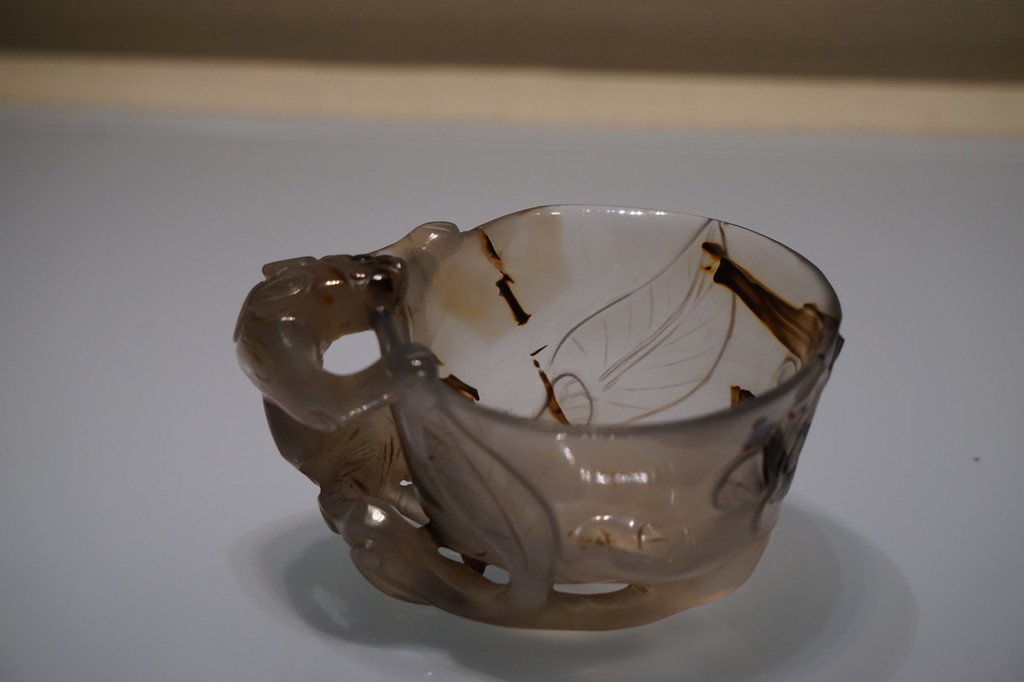
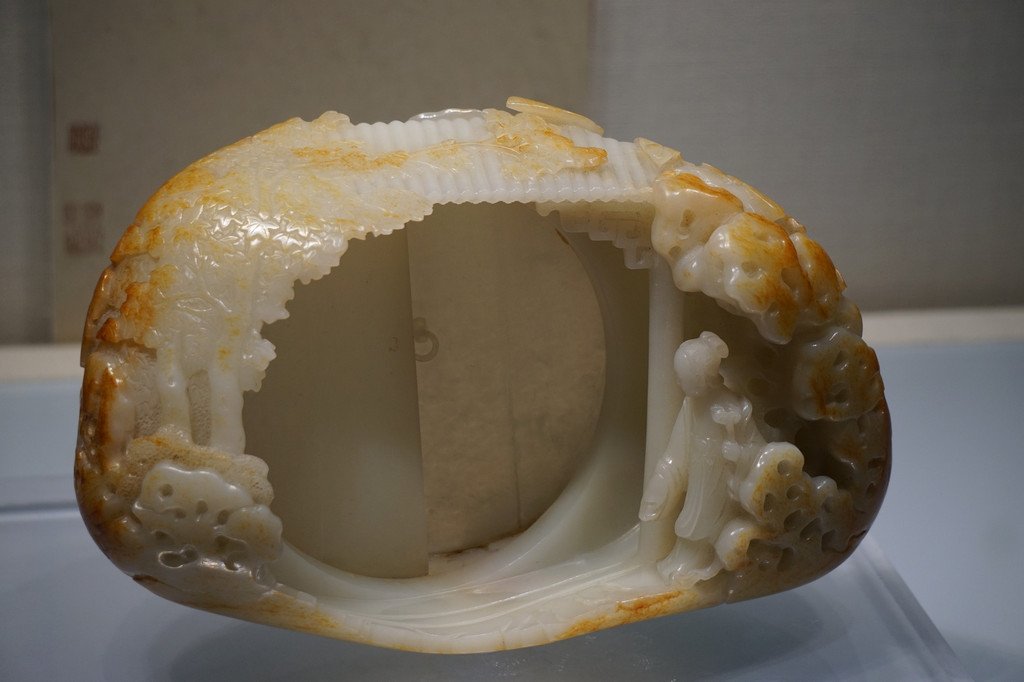
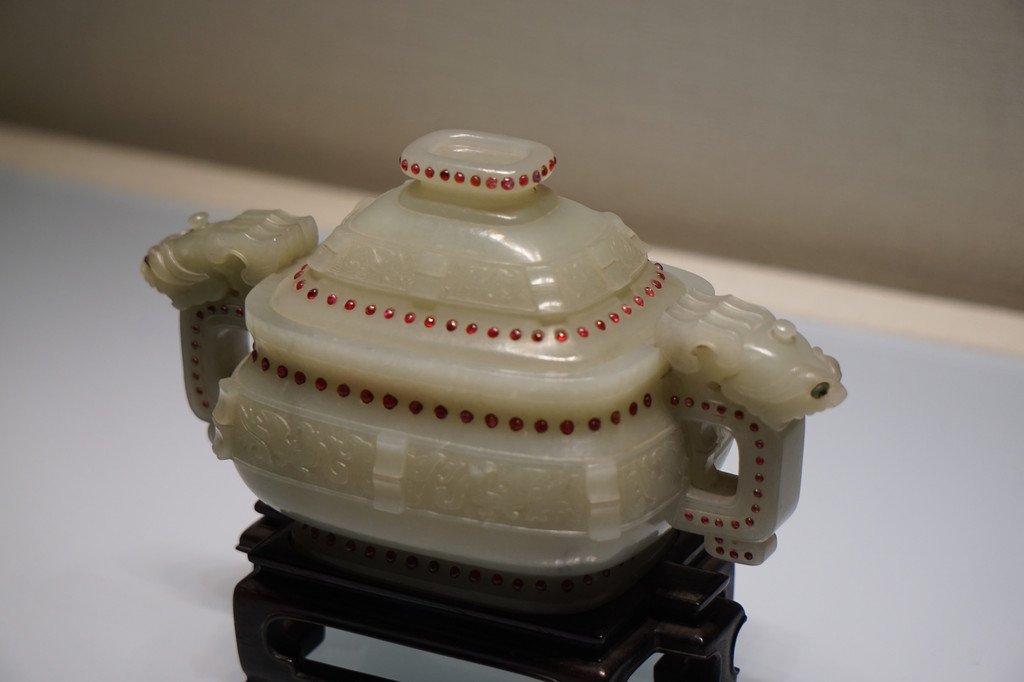
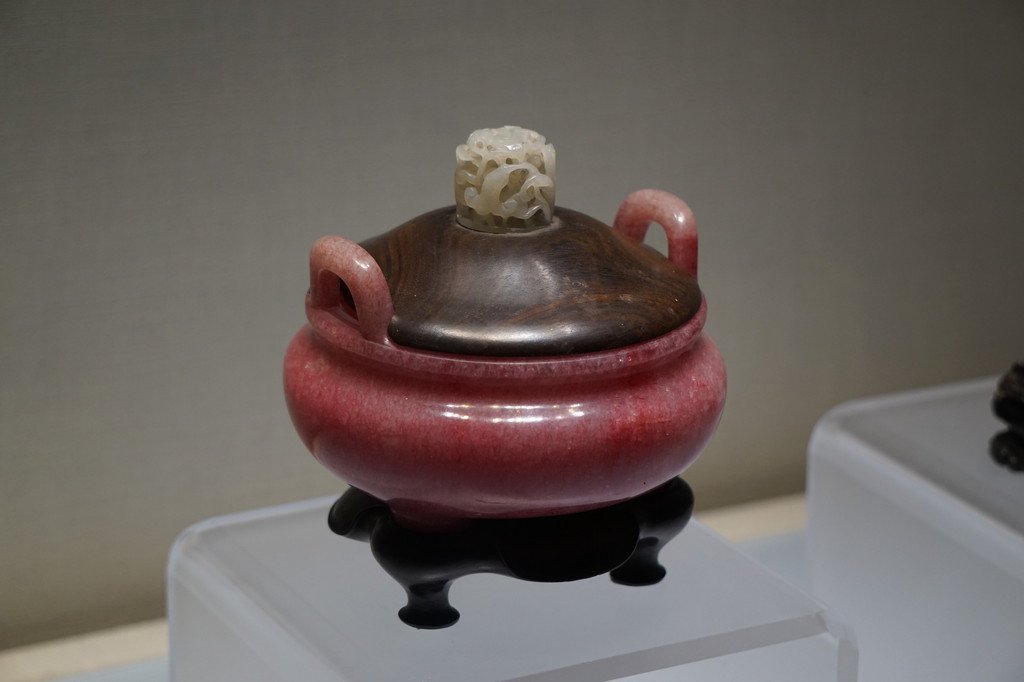
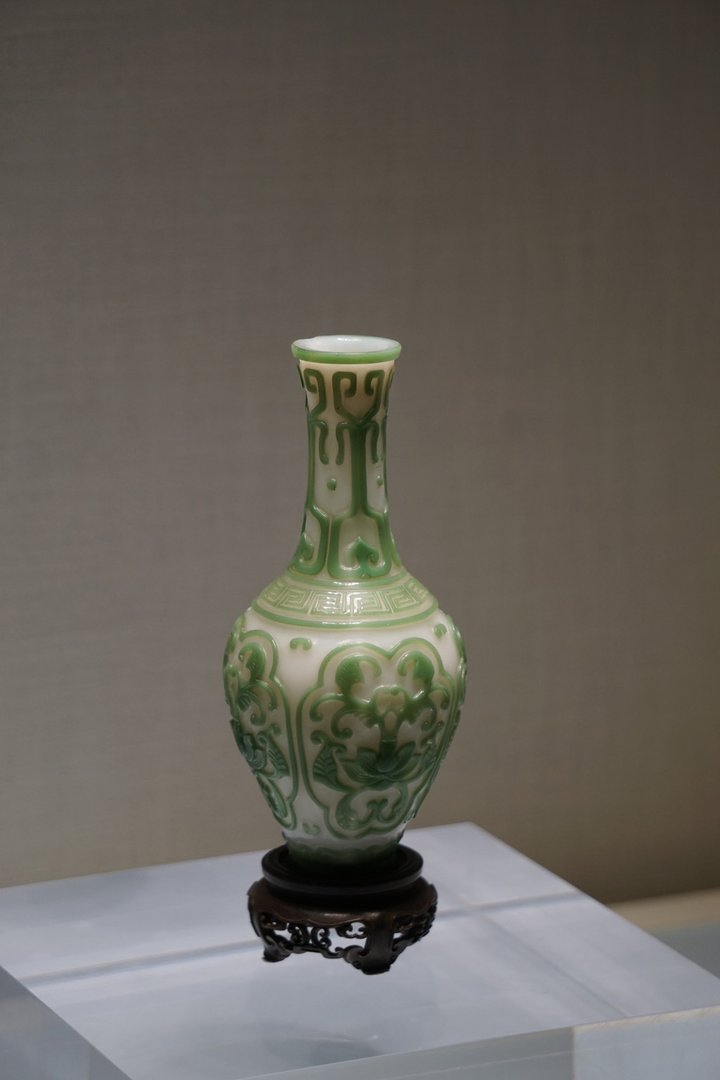
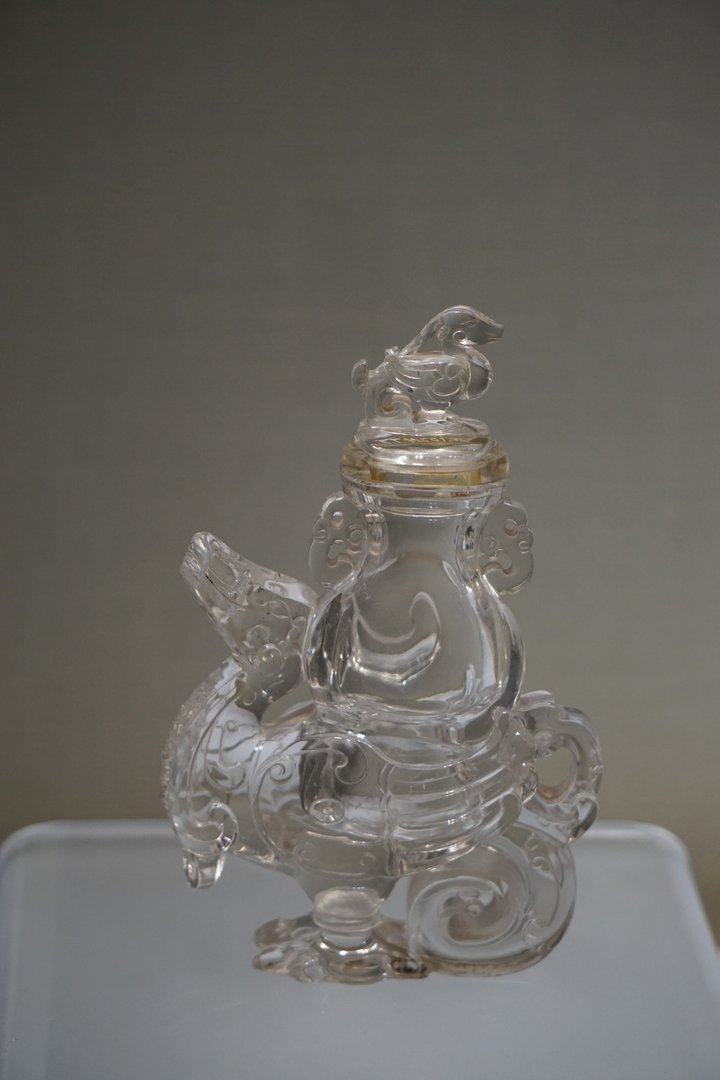
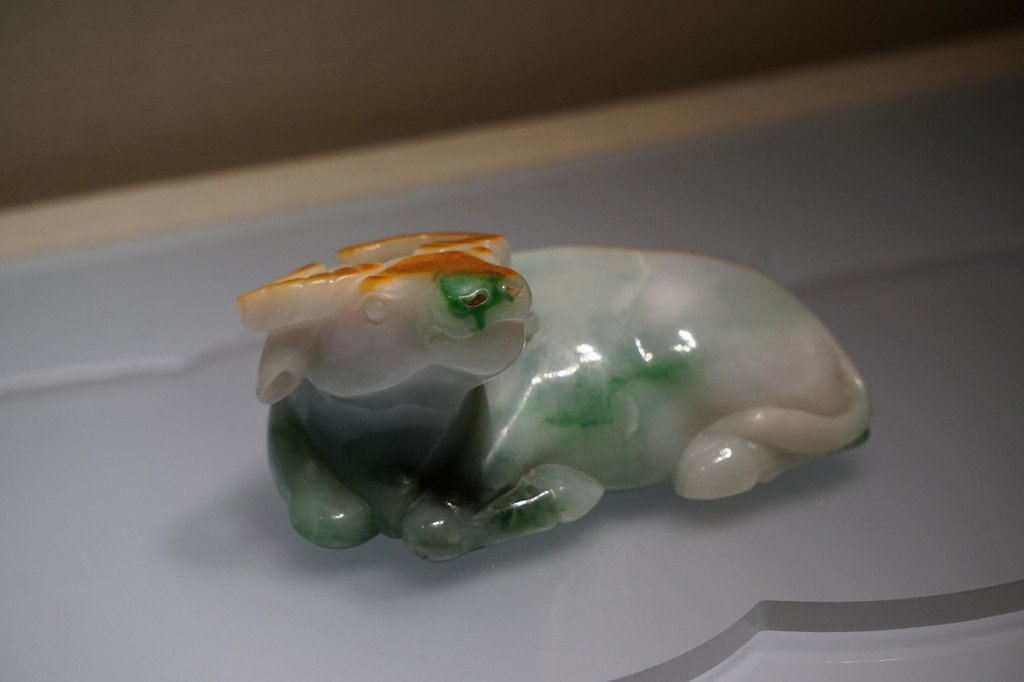
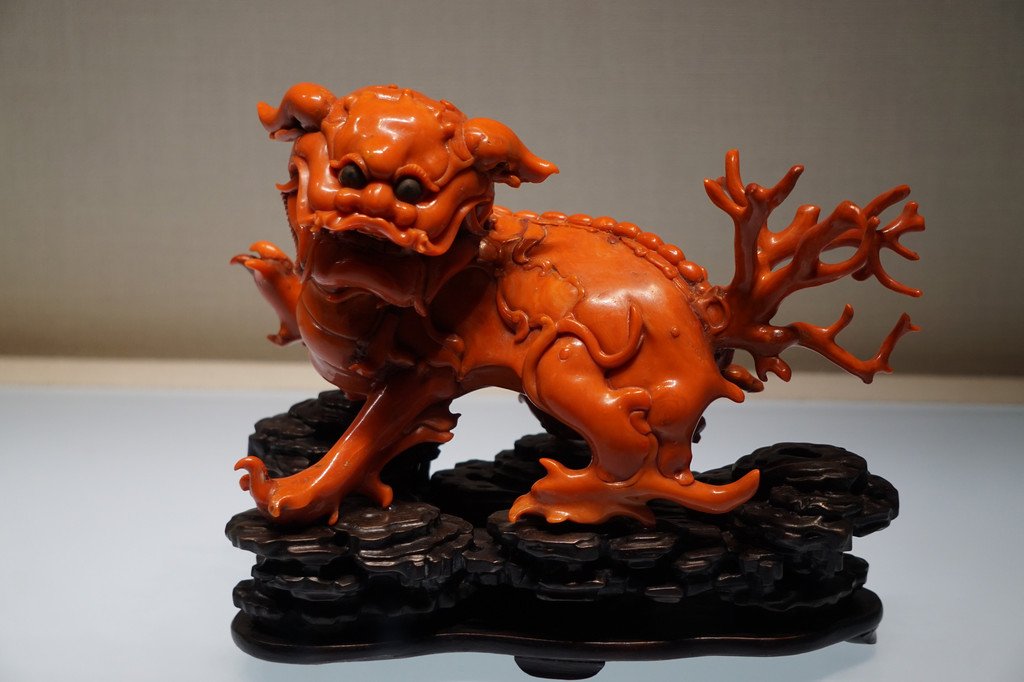
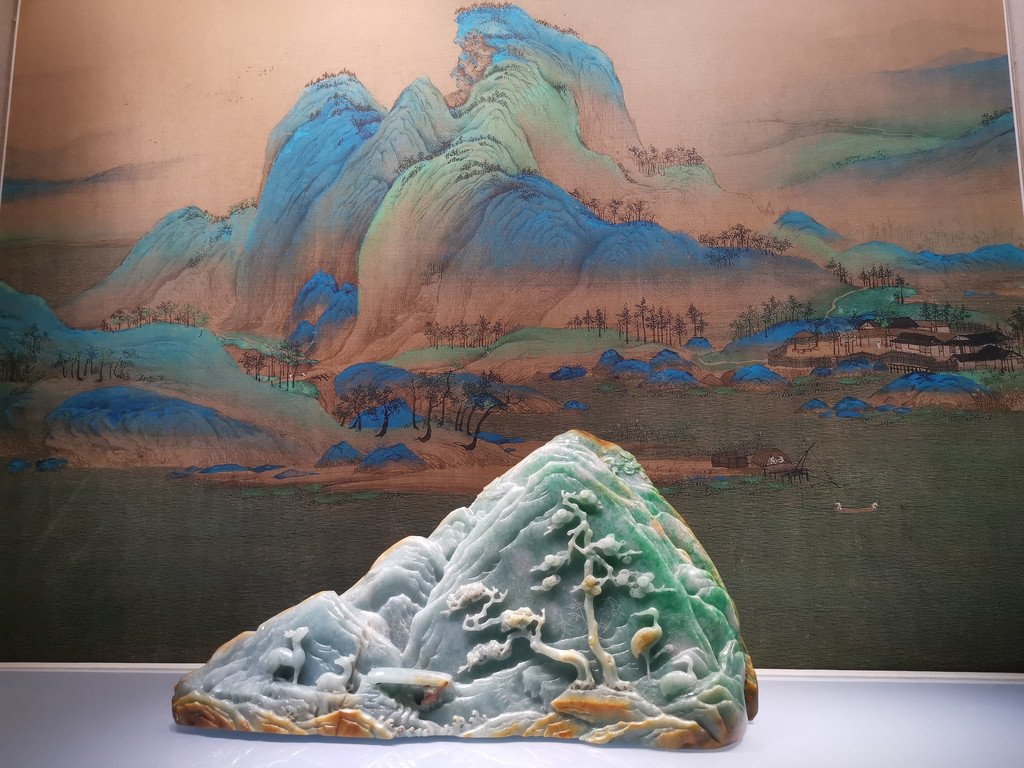
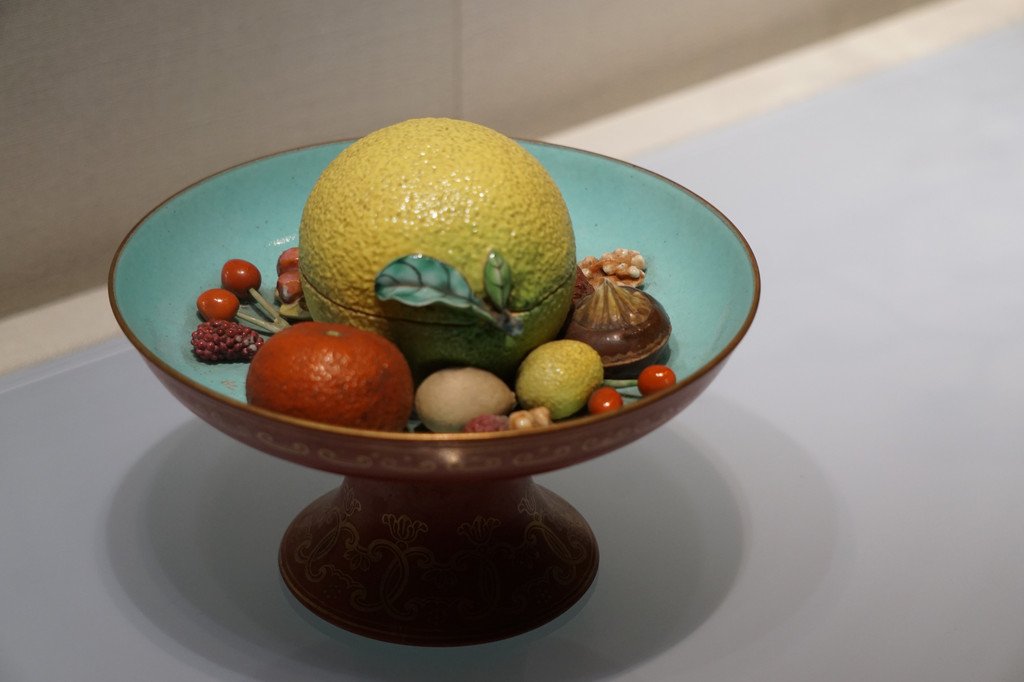
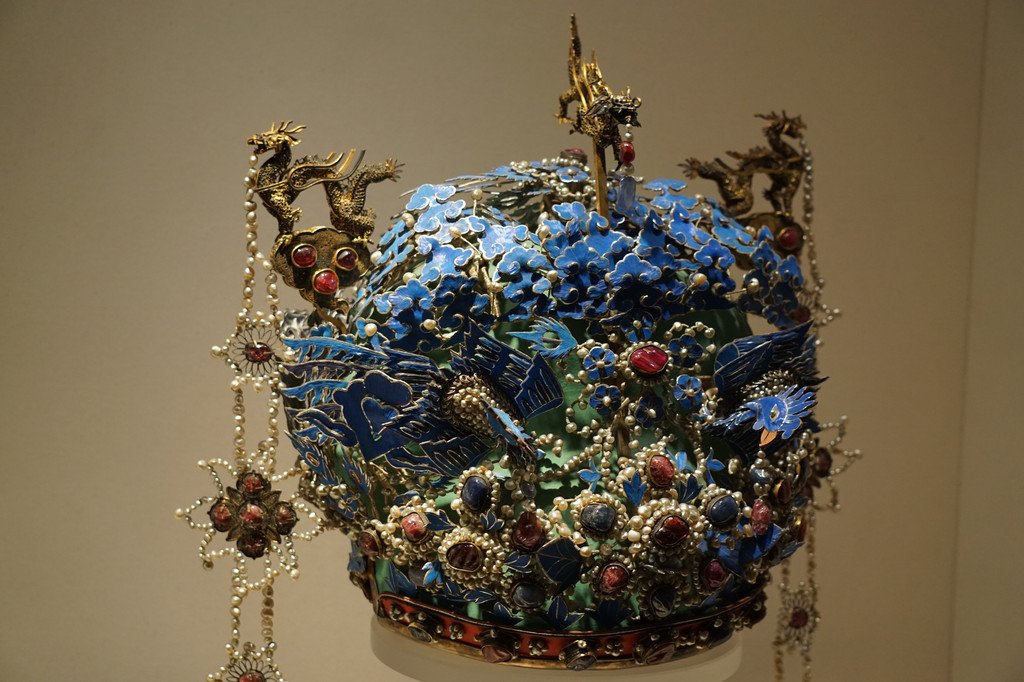
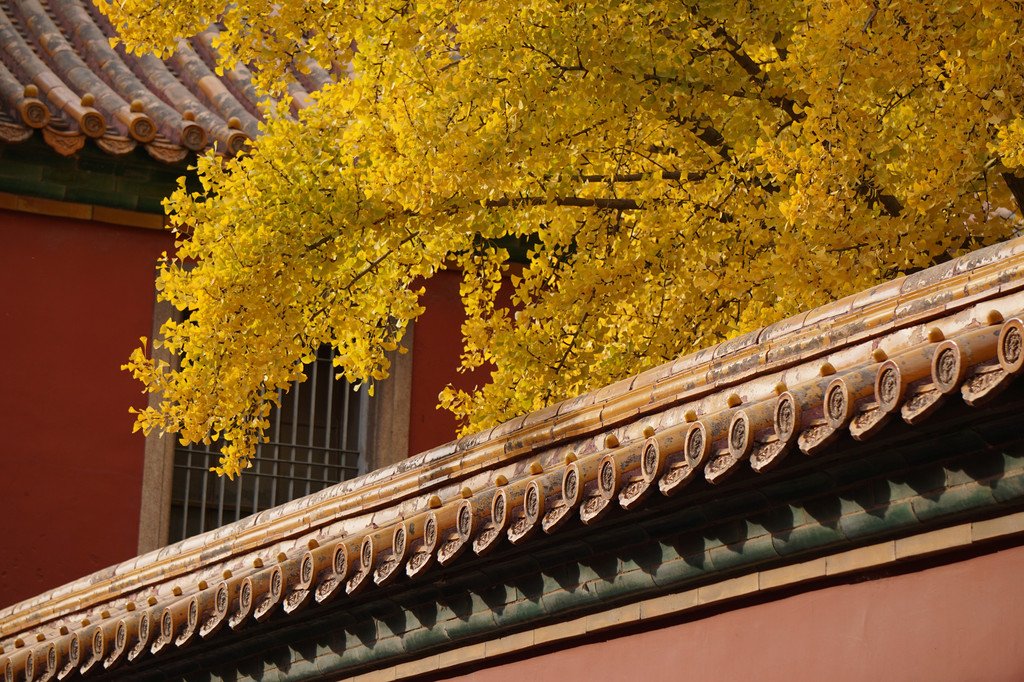
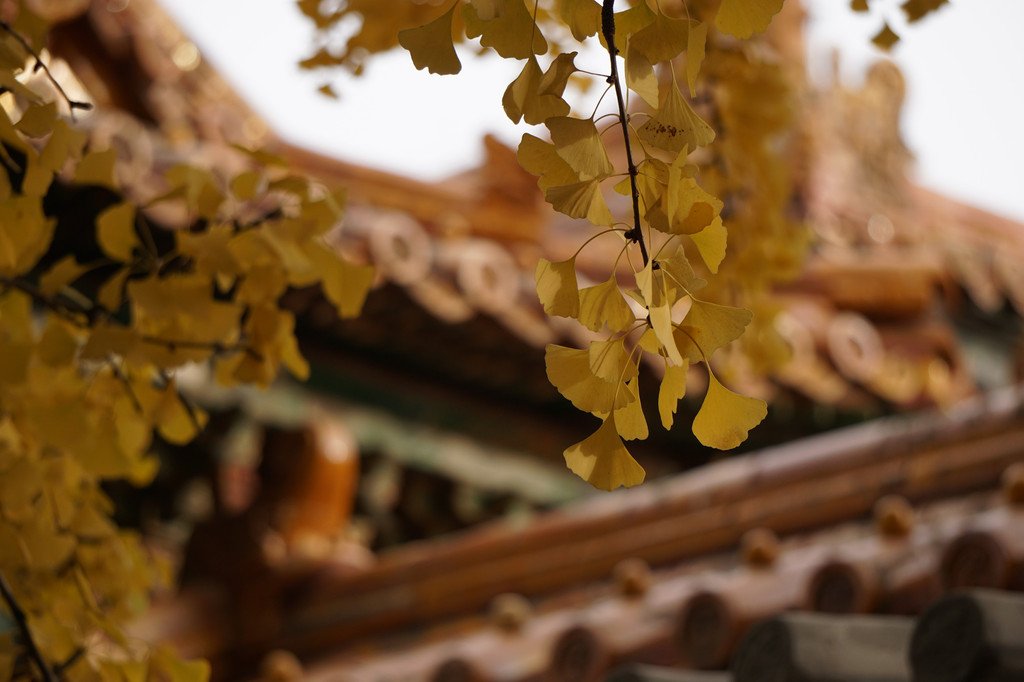
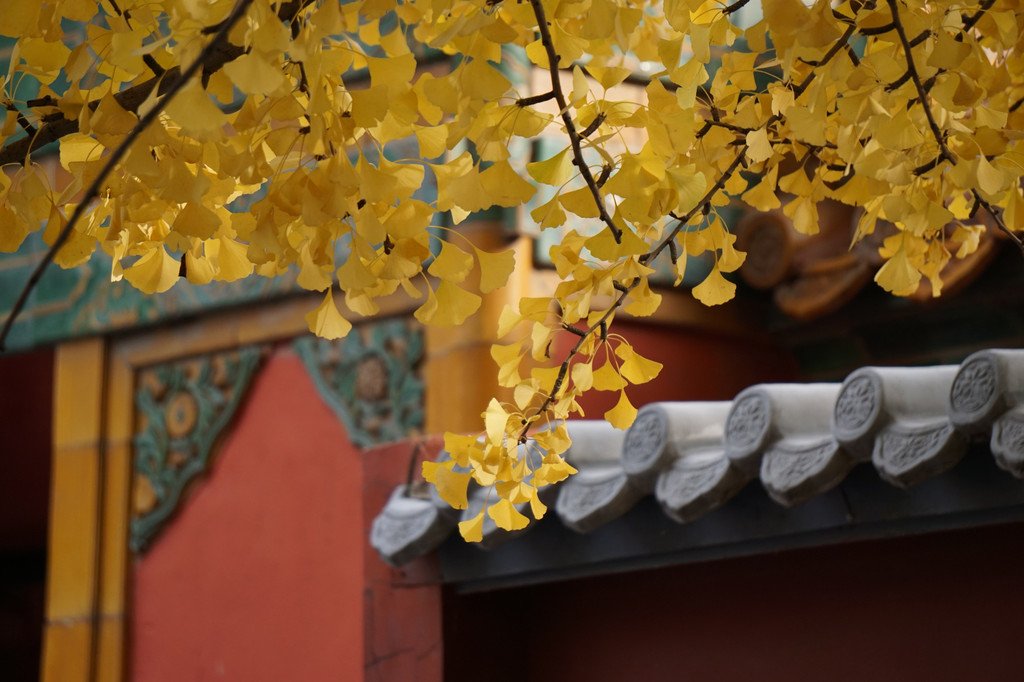
After visiting the Treasure Gallery, we were free to wander around the Forbidden City. We happened to be there during Beijing’s autumn when the ginkgo trees had turned golden yellow. By chance, we found ourselves at Yanxi Palace, the most beautiful spot in the entire Forbidden City for viewing ginkgo trees!
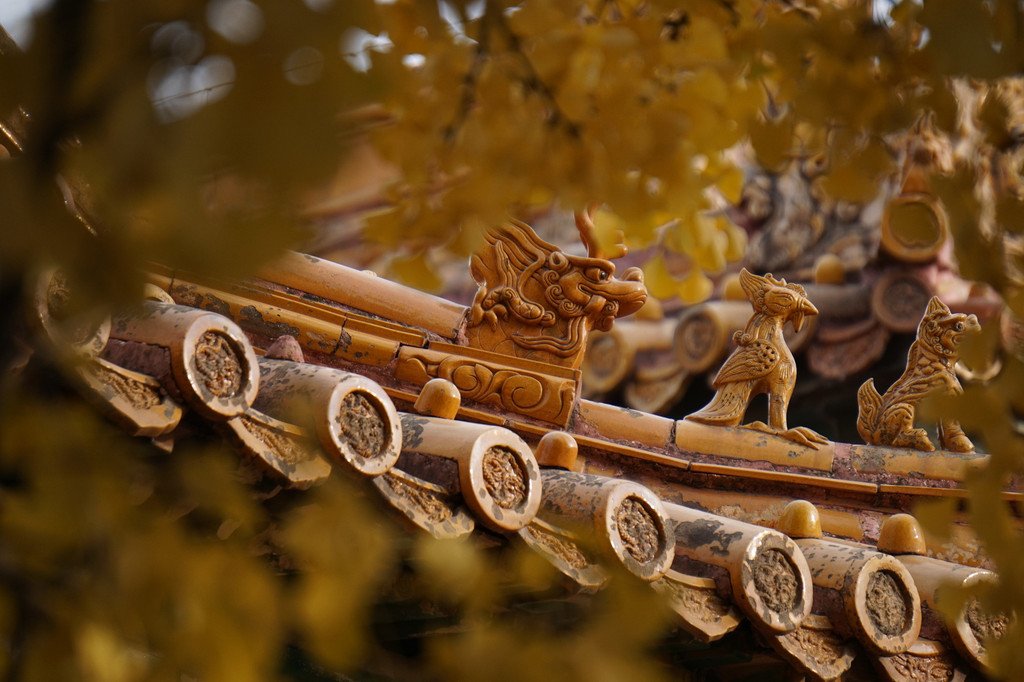
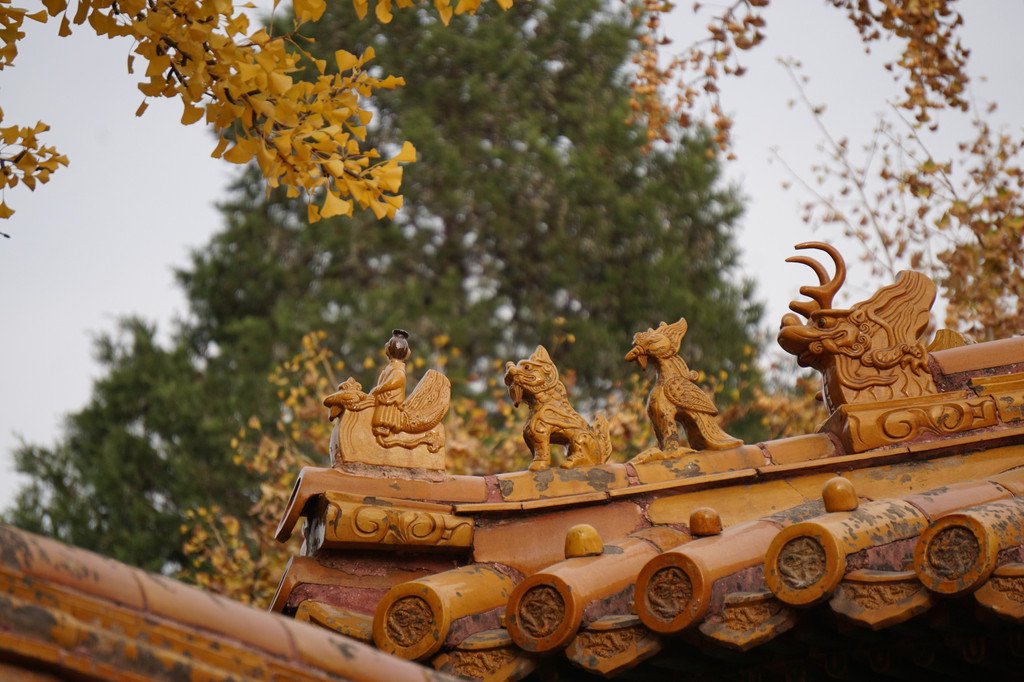
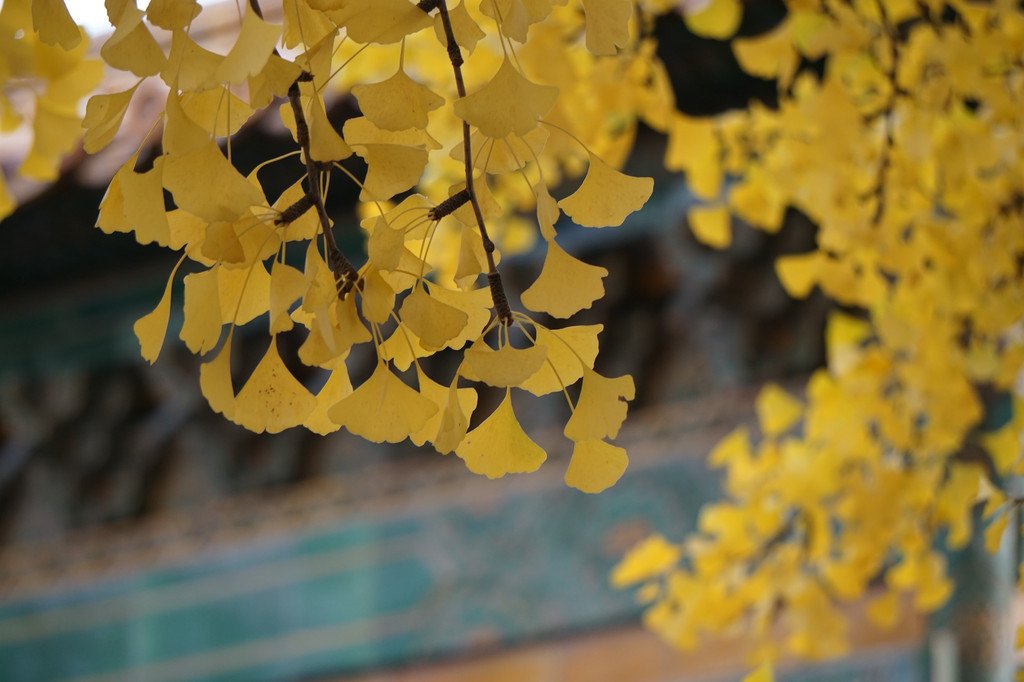
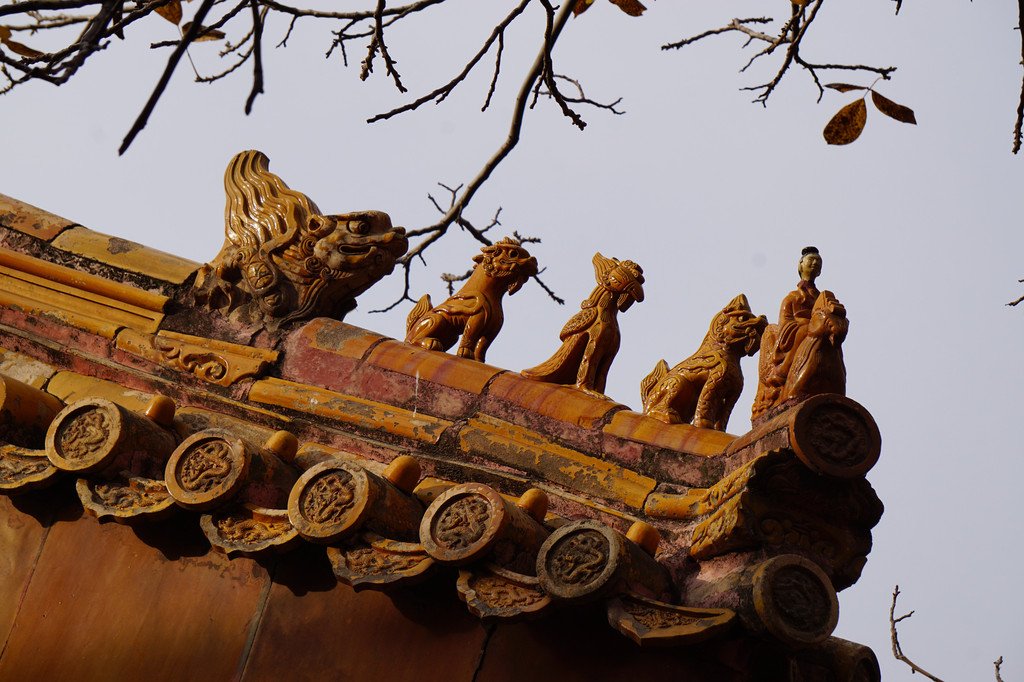
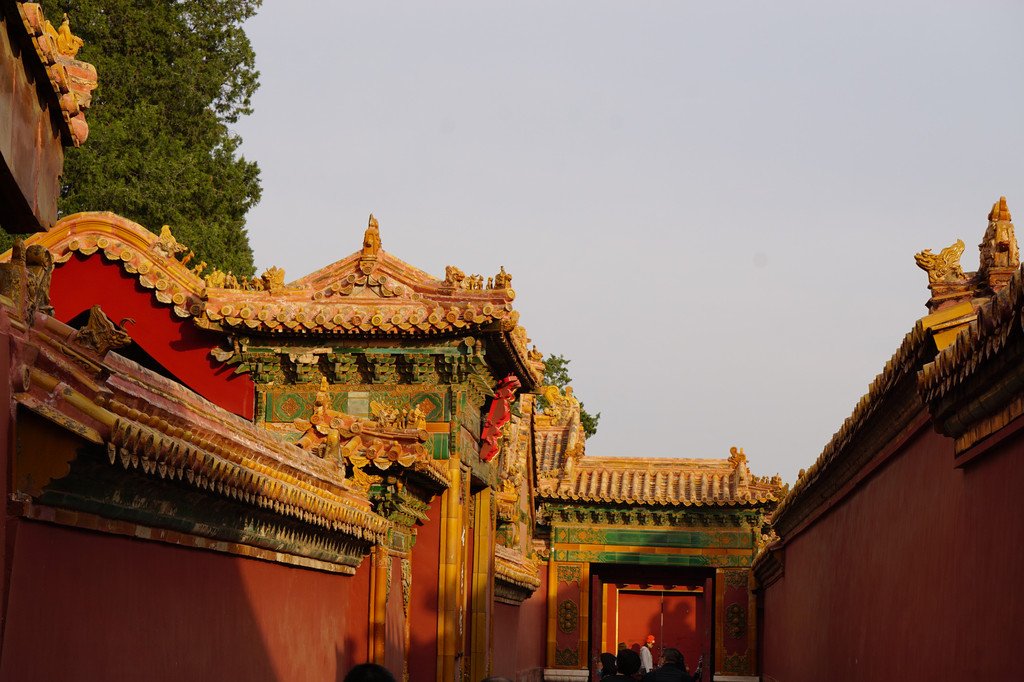
We left around 4 PM, famished but couldn’t miss the sunset at the Corner Tower.
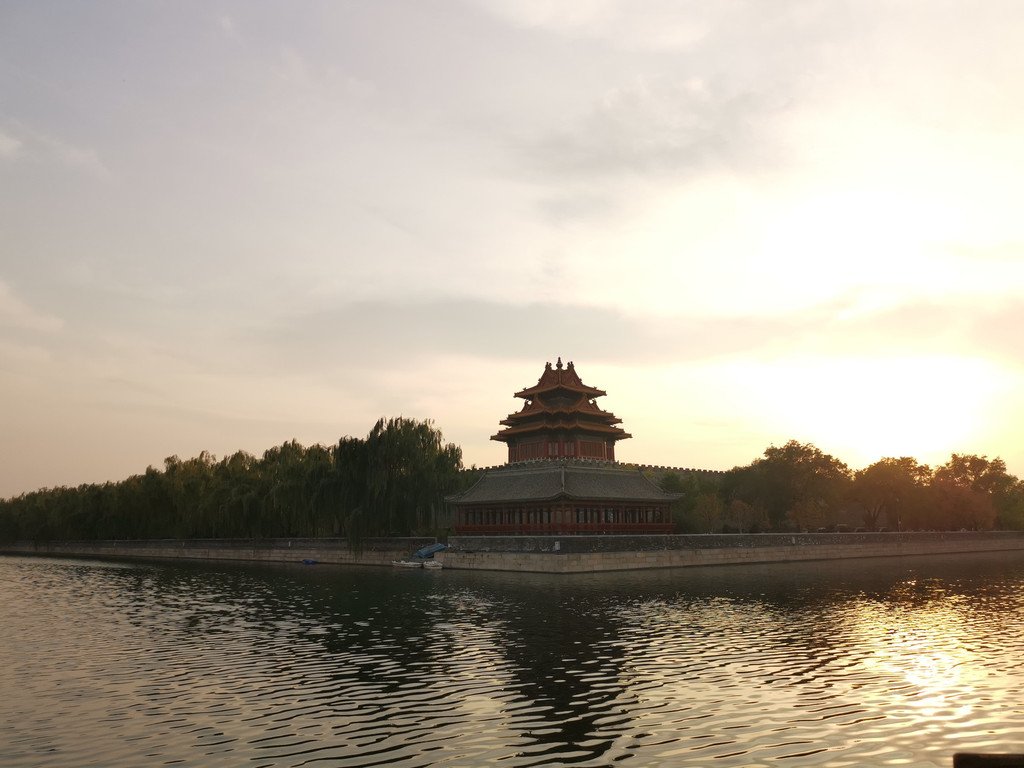
As the golden hour bathed the Corner Tower in warm light, I couldn’t help but reflect on this incredible journey through six centuries of imperial history. This fourth visit to the Forbidden City proved to be my most meaningful yet—witnessing the 600th anniversary celebration felt like being part of something truly historic.
The “Everlasting Splendor” exhibition reminded me why I fell in love with Beijing in the first place. Every artifact, from the delicate lacquer gauze windows to the magnificent guardian beasts, tells a story of human creativity, imperial grandeur, and cultural continuity that spans centuries. Standing before these treasures, I was struck by how they bridge the gap between ancient China and our modern world.
For fellow travelers planning their own Forbidden City adventure, I cannot emphasize enough the importance of timing your visit right. The autumn ginkgo trees at Yanxi Palace alone are worth the trip, and catching the sunset at the Corner Tower provides the perfect ending to a day steeped in imperial history.
What makes the Forbidden City truly special isn’t just its architectural magnificence or priceless artifacts—it’s the way it continues to evolve and share China’s story with the world. As I watched the sun set over these ancient walls, I knew this wouldn’t be my last visit. The Forbidden City has a way of calling you back, and I’m already planning my fifth journey into this timeless imperial sanctuary.
Whether you’re a first-time visitor or a seasoned Beijing explorer like myself, the Forbidden City never fails to inspire wonder and reverence. In a world of constant change, it stands as a testament to the enduring power of human achievement and the importance of preserving our cultural heritage for future generations.
Travel Tip: Book your tickets well in advance, especially for special exhibitions. The Forbidden City limits daily visitors, so planning ahead ensures you won’t miss this once-in-a-lifetime experience. Trust me—it’s worth every moment of anticipation.