
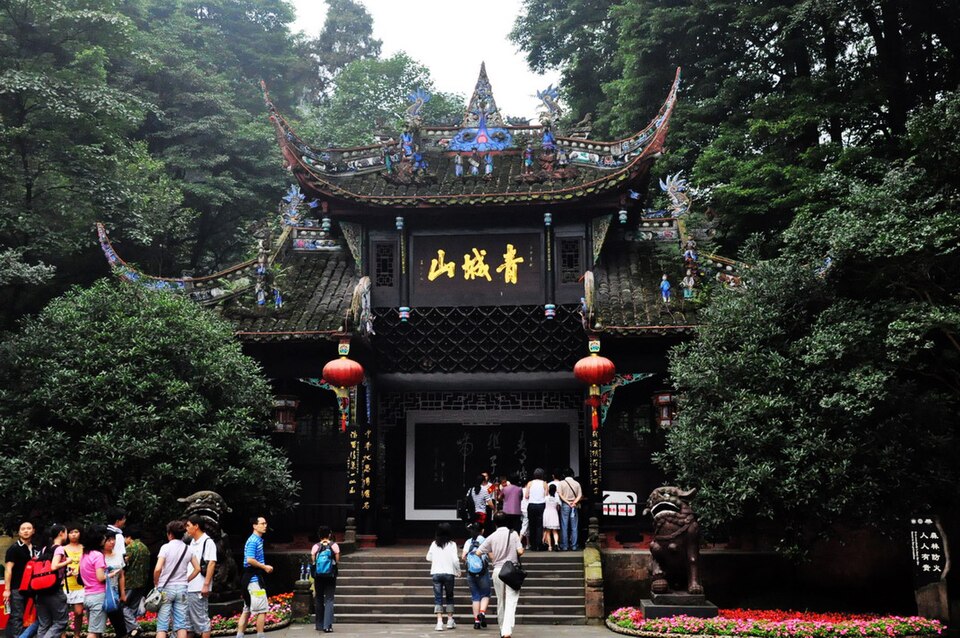
Discover China’s most sacred Taoist mountain where ancient philosophy meets pristine nature in perfect harmony. Mount Qingcheng Front Mountain offers international visitors an authentic spiritual journey through the birthplace of Taoism, featuring centuries-old temples, mystical mountain paths, and the legendary tranquility that earned it the poetic name “Qingcheng Tianxia You” (青城天下幽) – “The Most Serene Place Under Heaven.”
Unlike typical tourist mountains that focus solely on scenic beauty, Mount Qingcheng Front Mountain presents a living museum of Taoist culture where ancient religious practices continue to thrive amid mist-shrouded peaks and jade-green forests. For travelers seeking deeper cultural understanding beyond China’s famous landmarks, this UNESCO World Heritage site provides profound insights into the philosophical foundation that has shaped Chinese thought for over 1,800 years.
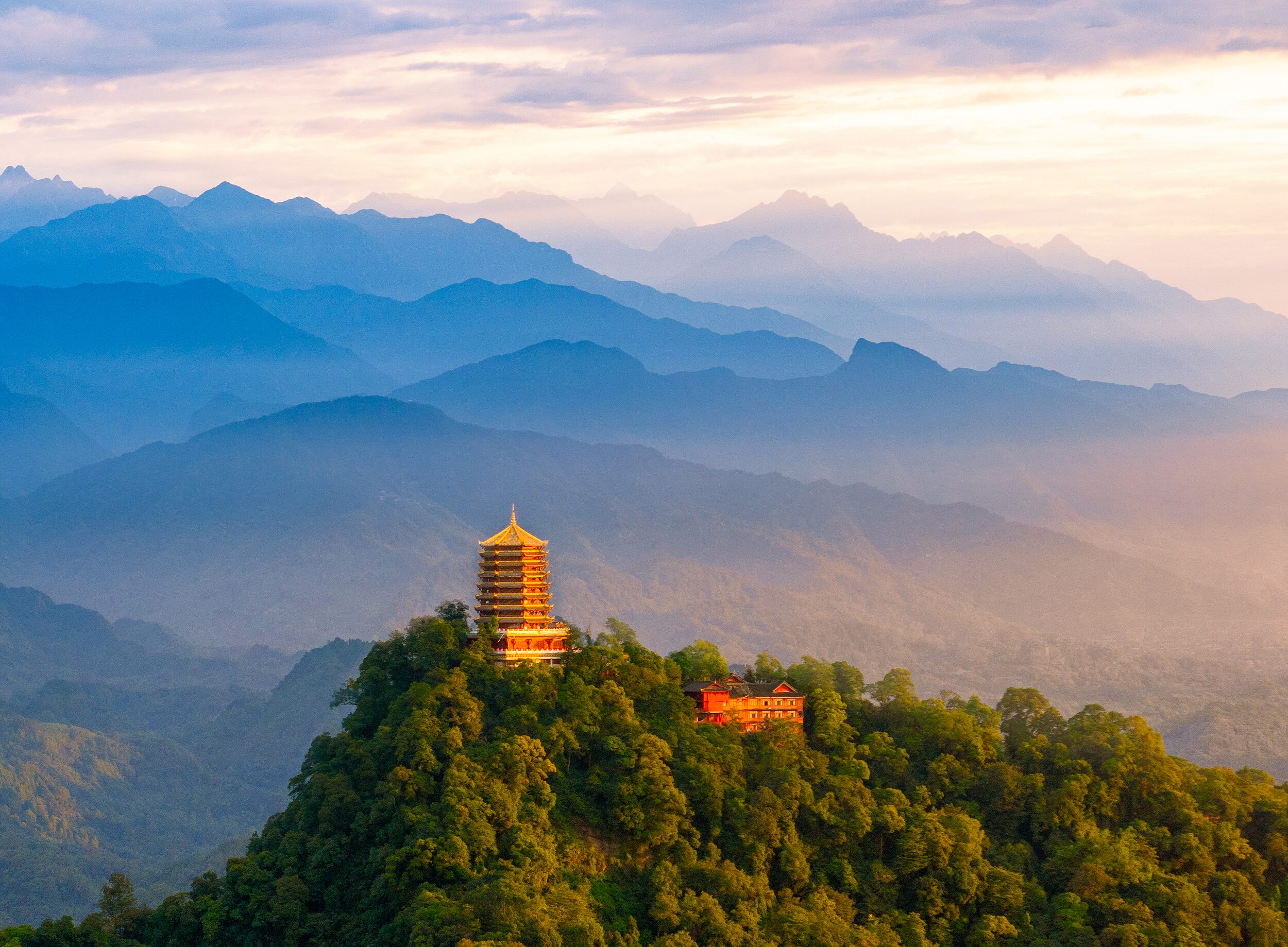
Understanding the Two Faces of Mount Qingcheng
Mount Qingcheng is uniquely divided into two distinct experiences: the Front Mountain (Qianshan) and the Back Mountain (Houshan), each requiring separate tickets and offering completely different encounters with this sacred landscape.
When Chinese people speak of “Mount Qingcheng,” they typically refer to the Front Mountain – the cultural and spiritual heart where Taoist temples, ancient artifacts, and religious ceremonies create an immersive cultural experience. This is where Zhang Daoling founded the first organized Taoist sect in 142 CE, making it one of China’s most significant religious sites.
The Back Mountain, which we’ll explore in our next article, takes a completely different approach, emphasizing pristine natural landscapes, hiking trails, and outdoor recreation. It’s Sichuan’s premier destination for nature lovers and adventure seekers, offering waterfalls, caves, and untouched wilderness areas perfect for multi-day retreats.
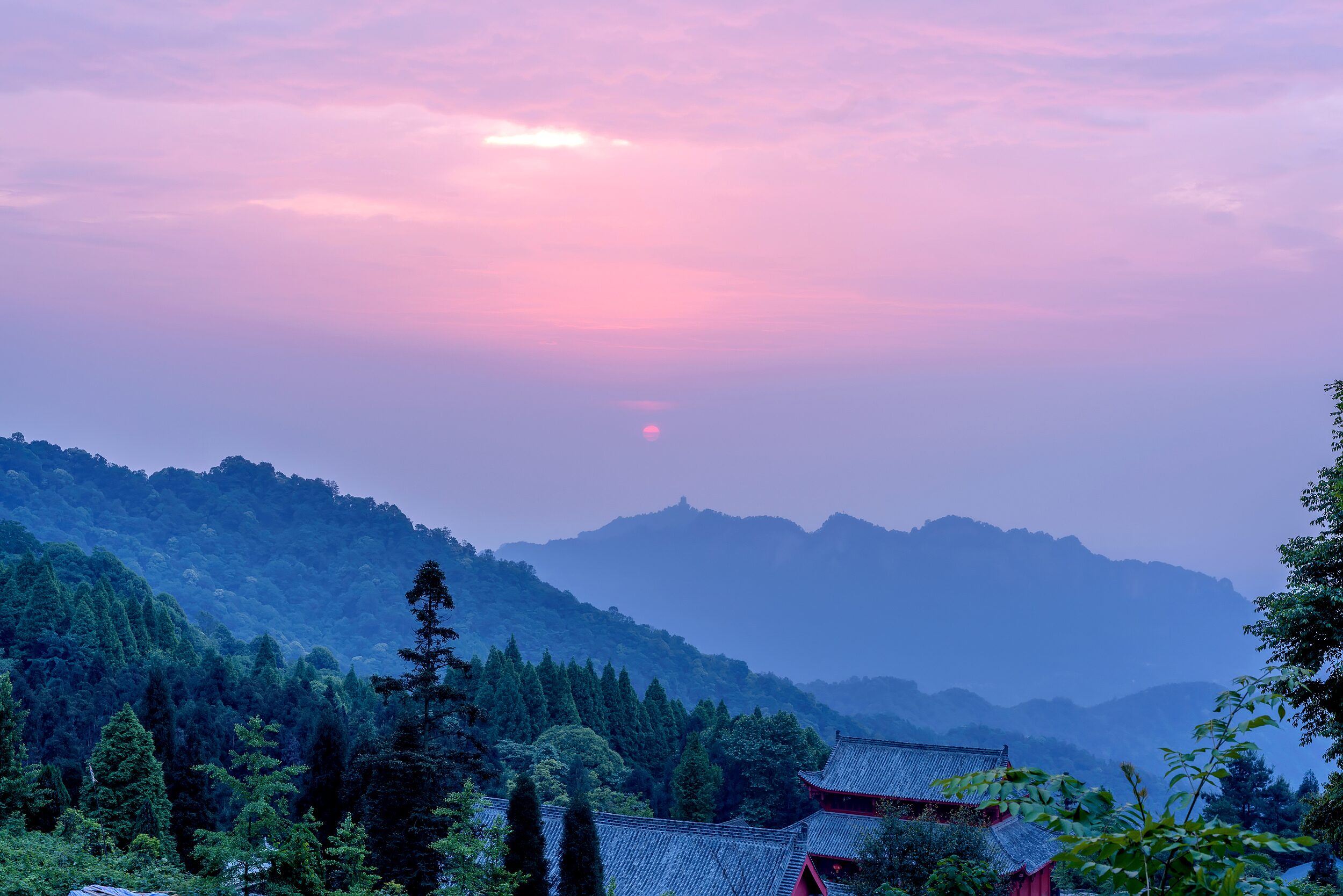
Today’s focus on Front Mountain ensures you experience the authentic spiritual essence that made Mount Qingcheng legendary among Chinese culture enthusiasts worldwide.
The Sacred Landscape of Qingcheng Front Mountain
“The Most Serene Place Under Heaven”
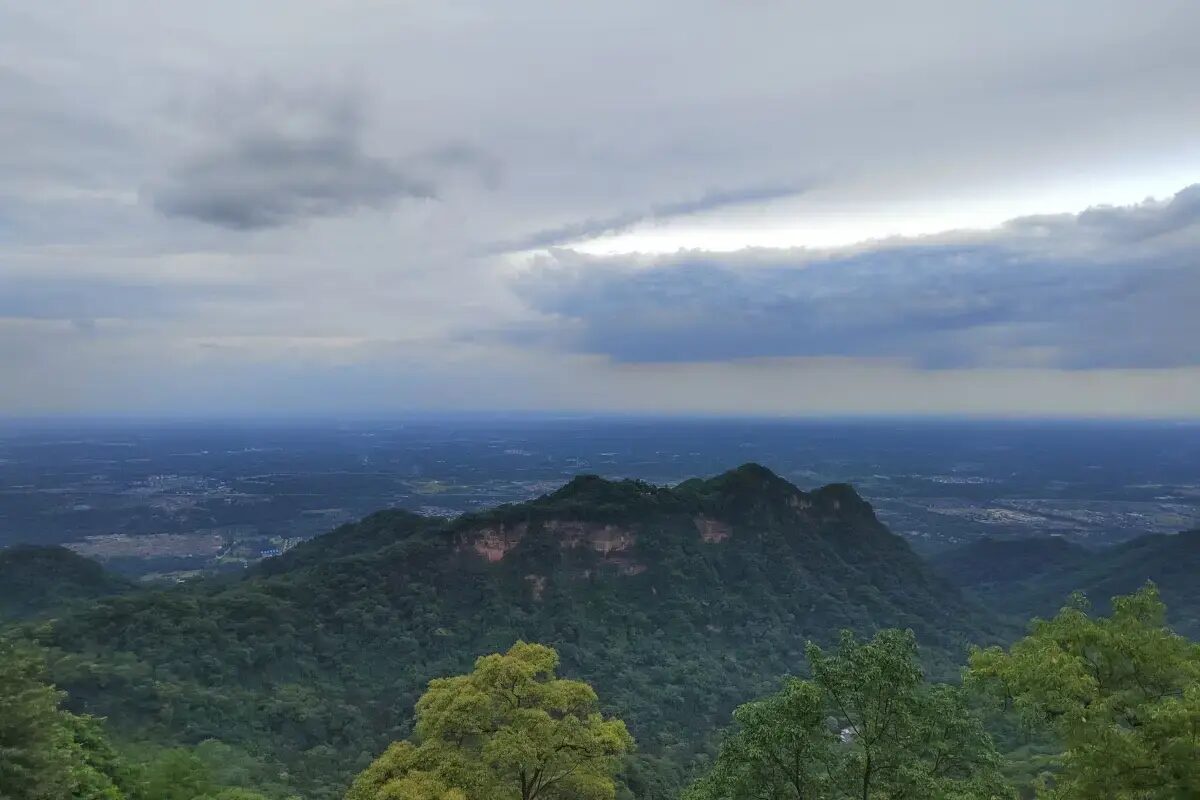
The poetic description “青城天下幽” captures something profound about Mount Qingcheng that becomes immediately apparent upon arrival. The Front Mountain envelops visitors in an almost supernatural tranquility created by its unique geography – concentric rings of verdant peaks that rise like natural amphitheater walls, creating a protected sanctuary where external noise simply vanishes.
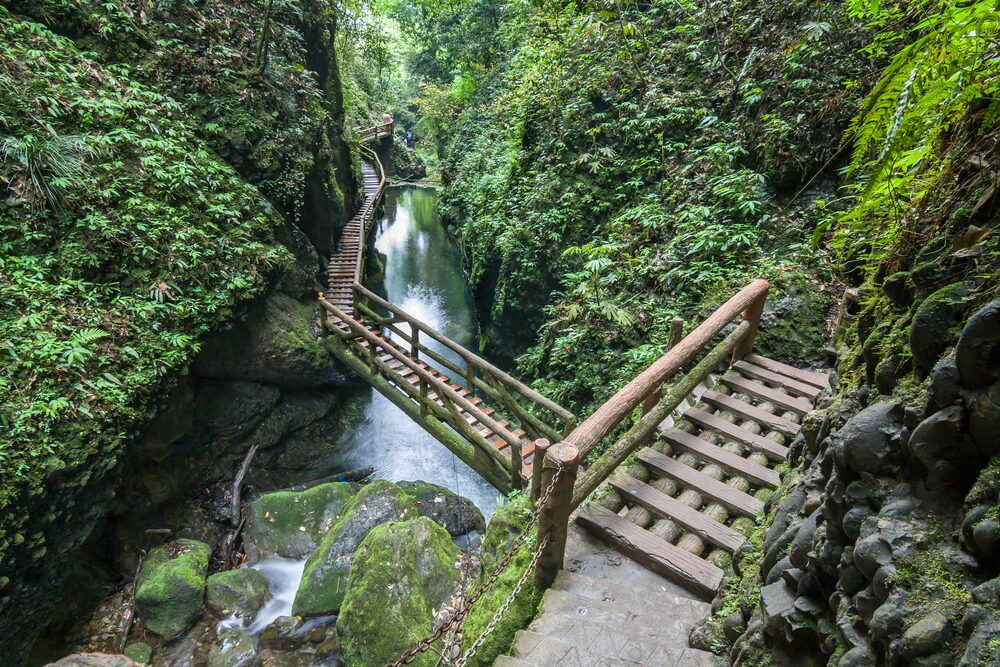
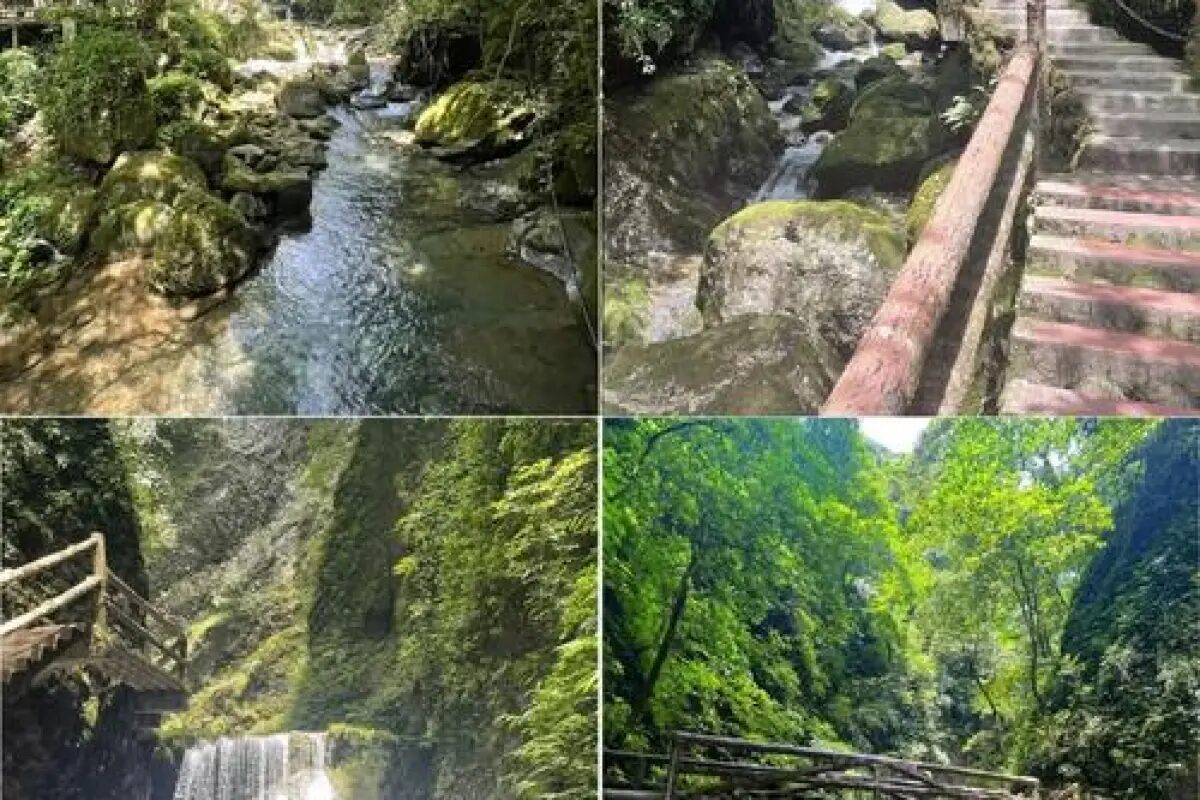
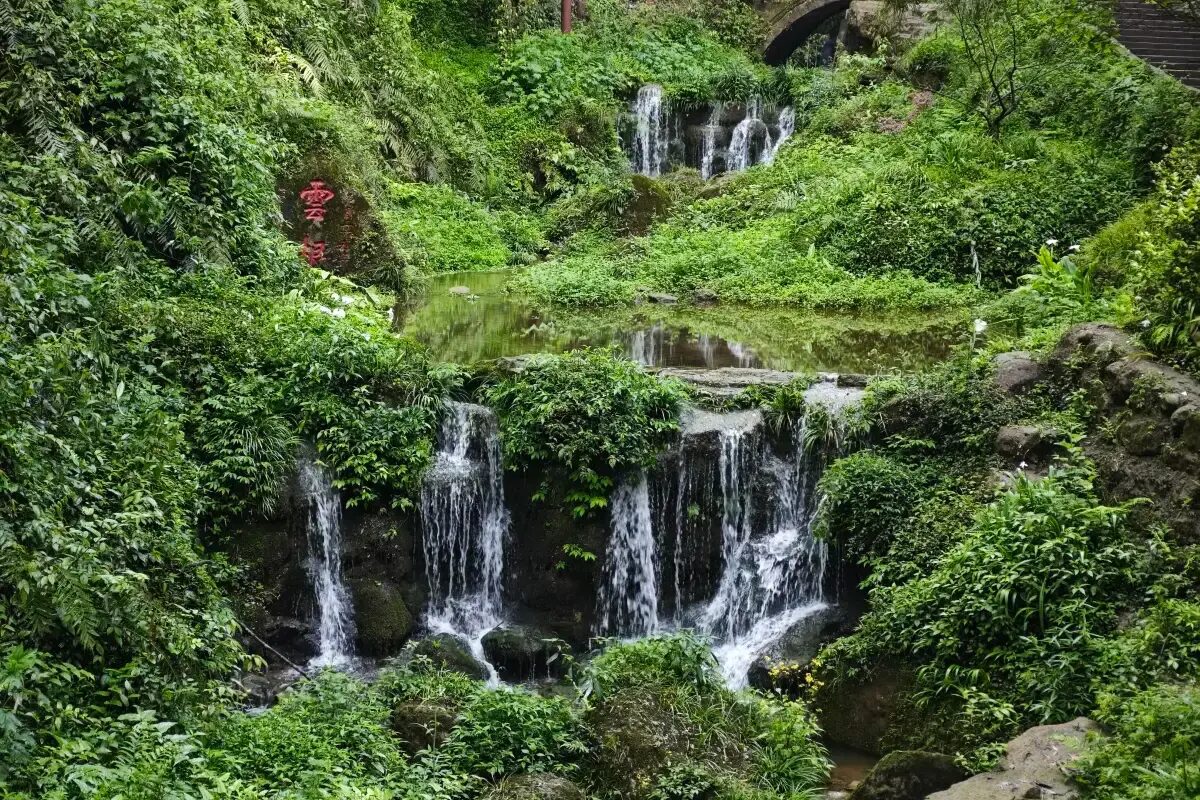
Ancient cypress and pine trees, some over 1,000 years old, create a living cathedral where filtered sunlight dances through perpetual mist. Mountain streams cascade down hidden ravines, their gentle murmur providing nature’s own meditation soundtrack. This isn’t manufactured serenity – it’s the result of centuries of careful conservation by Taoist monks who understood that preserving the mountain’s natural harmony was essential to spiritual practice.
The Birthplace of Organized Taoism
Mount Qingcheng Front Mountain holds unique significance as the location where Zhang Daoling established the first formal Taoist religious organization in 142 CE. Unlike Buddhism, which came to China from India, or Confucianism, which focused on social ethics, Taoism emerged as China’s indigenous spiritual philosophy emphasizing harmony with natural forces.
The mountain’s temples aren’t merely historical artifacts – they remain active centers of Taoist practice where monks continue daily rituals, maintain traditional architecture, and welcome visitors seeking spiritual guidance. This living religious tradition provides international visitors with rare opportunities to observe authentic Chinese spiritual practices in their original setting.
Architectural Marvels and Sacred Sites
Shangqing Palace (上清宫) – Palace of Supreme Clarity
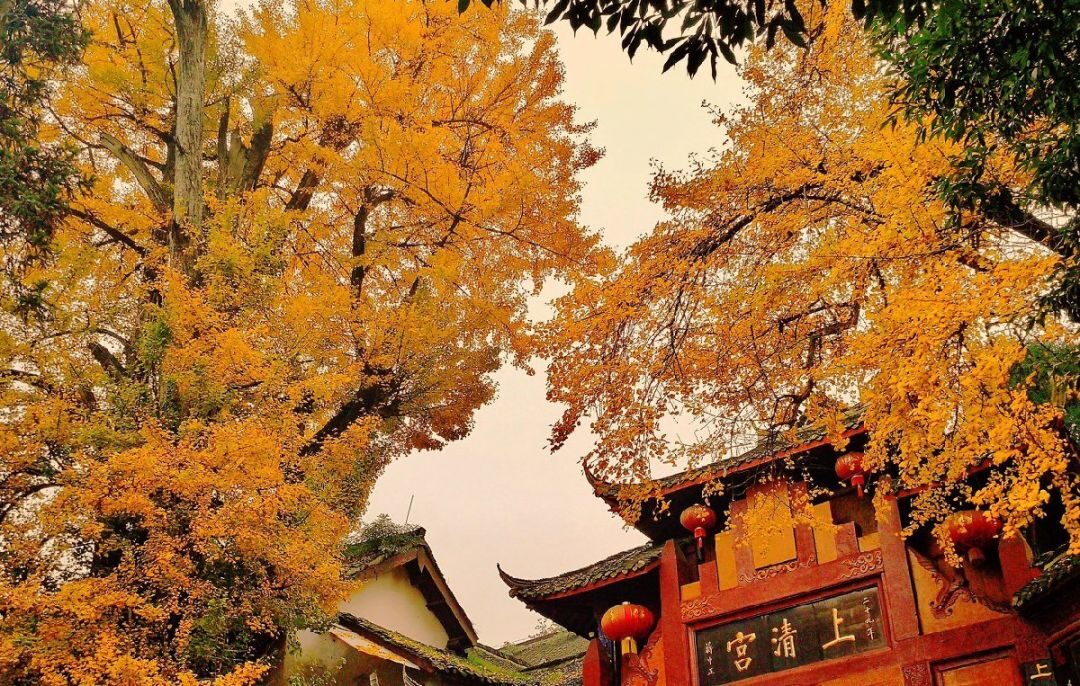
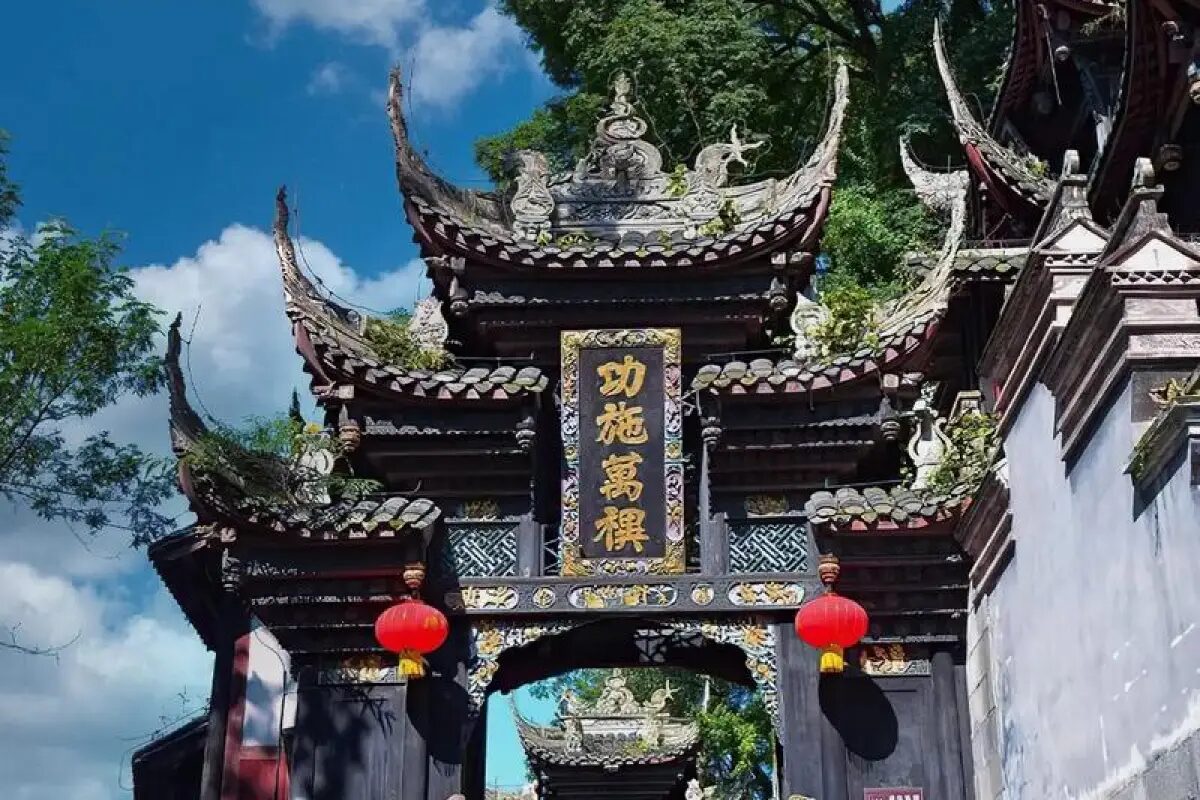
The crown jewel of Mount Qingcheng’s religious architecture, Shangqing Palace represents over 1,600 years of continuous Taoist tradition. Originally founded during the Jin Dynasty, the current structures date primarily from the Qing Dynasty’s Tongzhi period, showcasing the evolution of Chinese religious architecture across multiple dynasties.
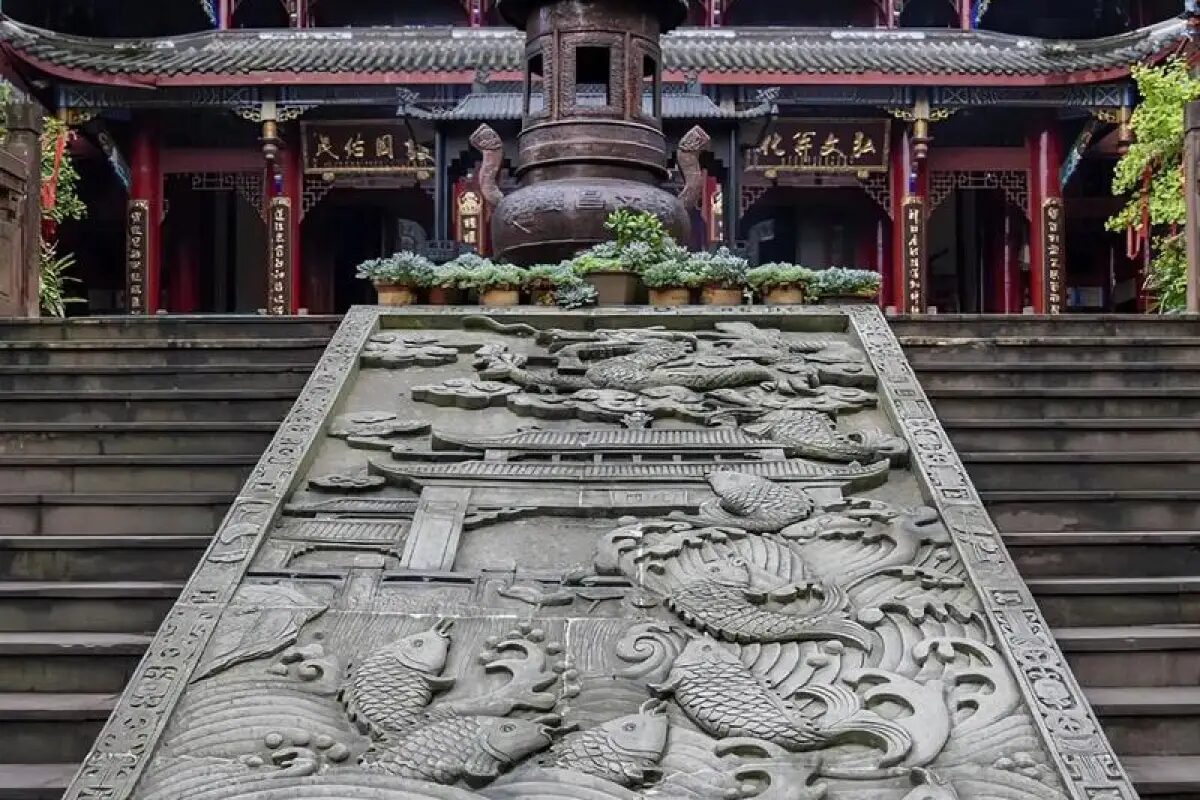
The palace complex demonstrates classical Taoist architectural principles where buildings harmonize with natural topography rather than dominating it. Courtyards flow naturally with the mountain’s contours, while traditional upturned eaves seem to mirror the surrounding peaks. The main hall houses ancient statues of Taoist deities and provides space for ongoing religious ceremonies that visitors can respectfully observe.
The Sacred Journey: Temple to Temple
The Front Mountain’s temple circuit creates a spiritual pilgrimage that deepens understanding of Taoist philosophy through architectural storytelling:
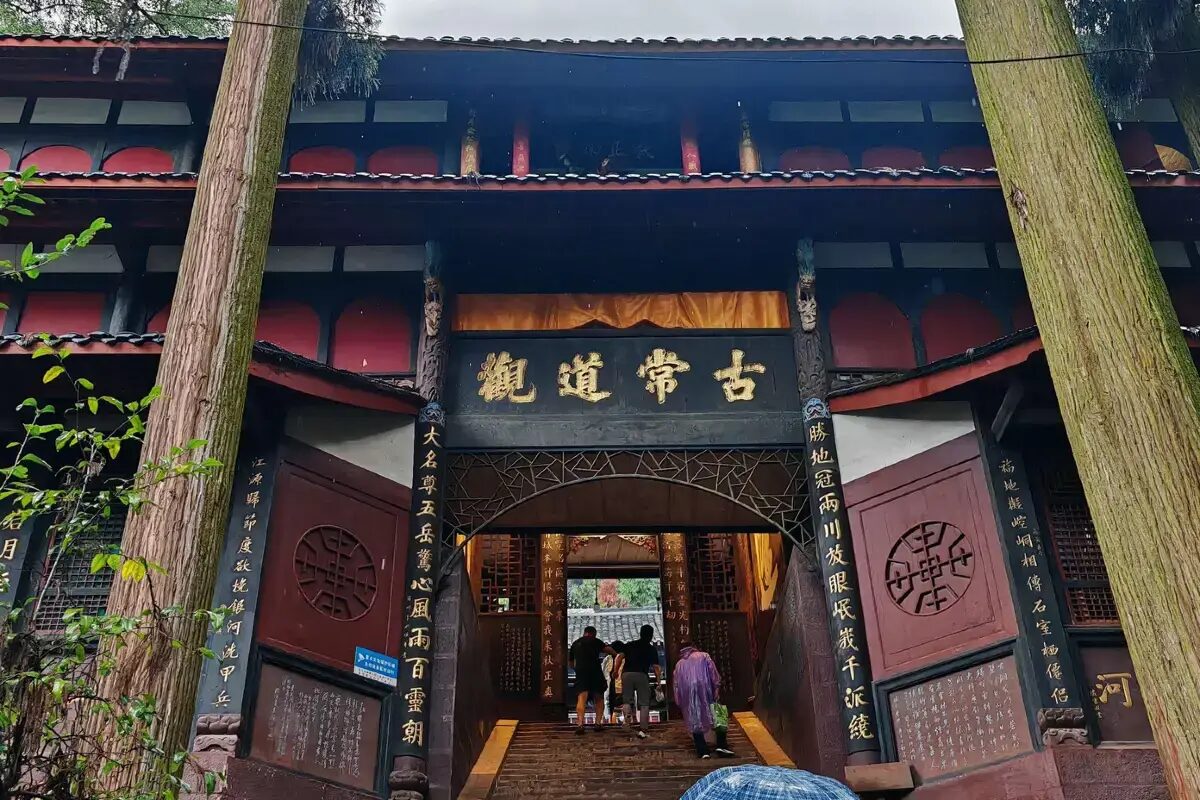
Quanzhen Temple (全真观) represents the “Complete Perfection” school of Taoism, emphasizing internal alchemy and meditation practices. The temple’s layout demonstrates feng shui principles where building placement channels positive energy flow.
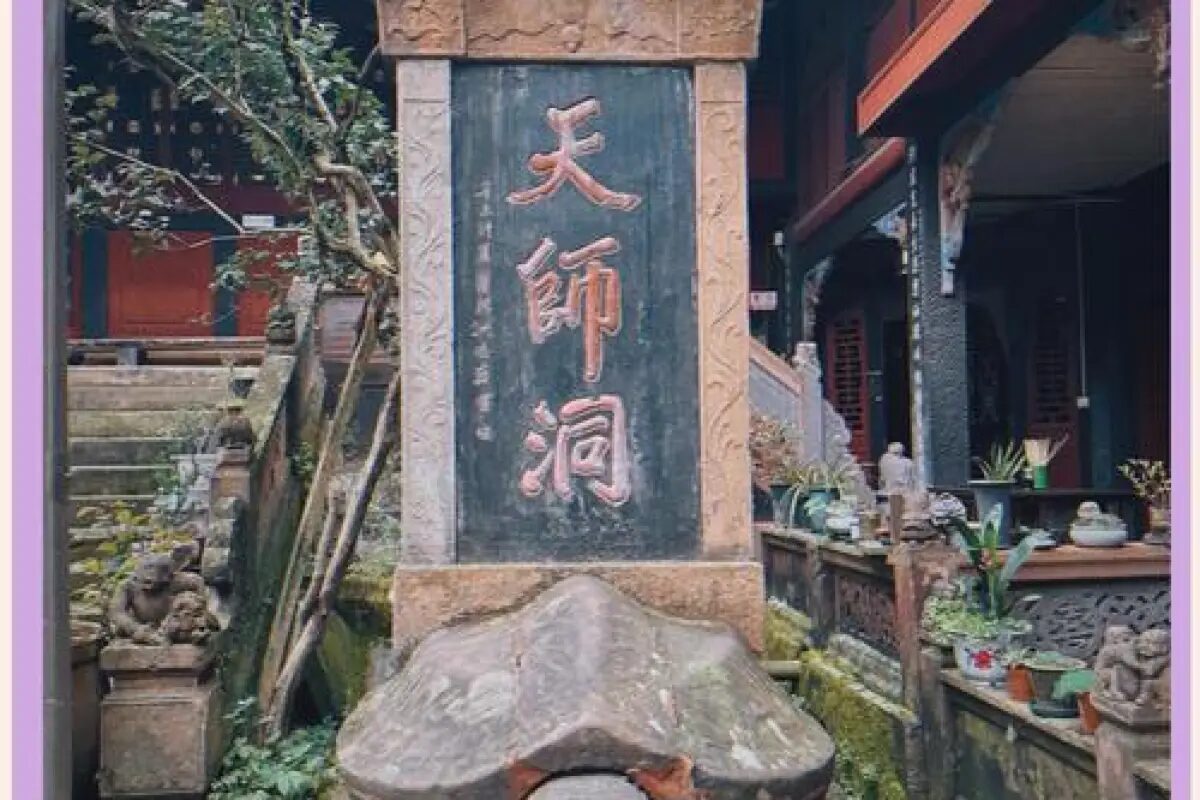
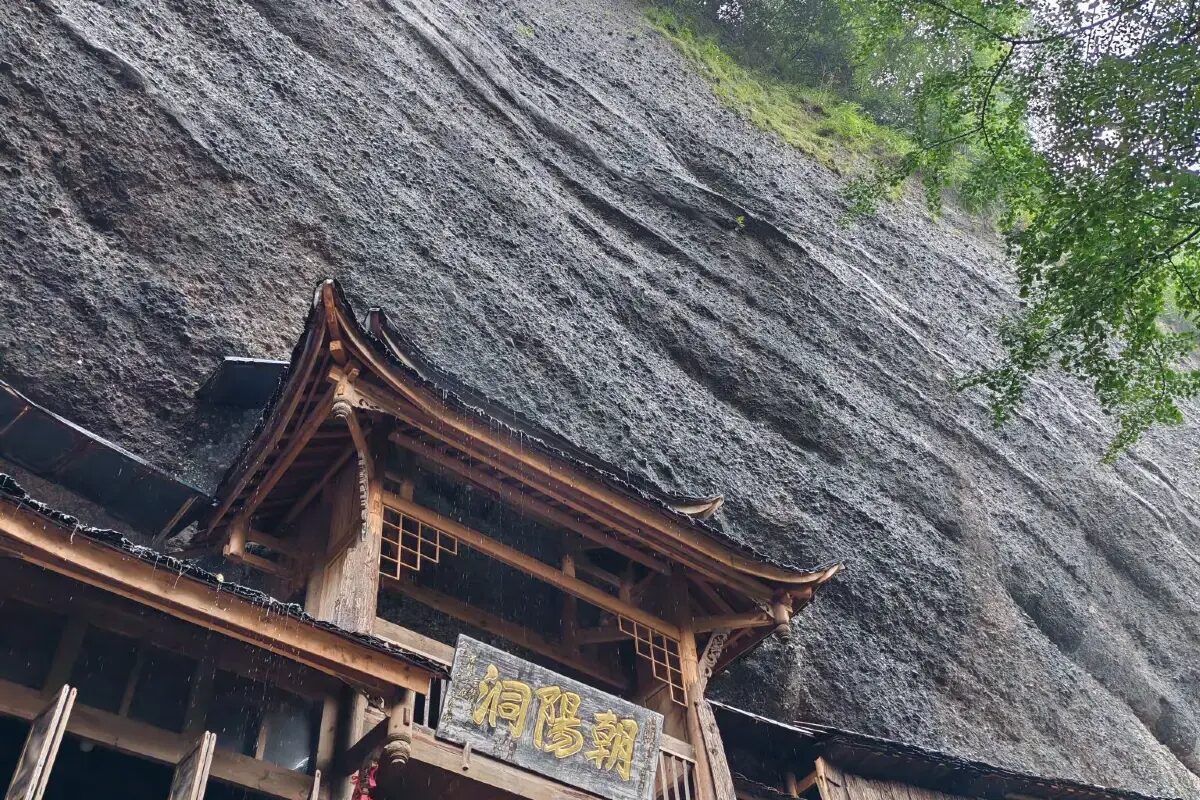
Tianshi Cave (天师洞) – the “Celestial Master Cave” marks the legendary location where Zhang Daoling first achieved enlightenment. The cave temple built into the mountainside creates an intimate space where visitors can experience the meditative atmosphere that inspired Taoism’s founder.
Zushi Hall (祖师殿) honors the patriarchs of Taoist tradition, providing historical context for the religious evolution that occurred on this mountain. The hall’s paintings and sculptures narrate stories that help international visitors understand Taoist mythology and values.
Dachitian Palace (大赤天宫) represents the culmination of the spiritual journey, positioned strategically to provide sweeping views across the entire sacred landscape. The palace’s name references Taoist cosmology where “Great Red Heaven” represents one of the highest spiritual realms.
The Complete Front Mountain Experience
Arrival and Initial Ascent
Your Mount Qingcheng Front Mountain journey begins with a scenic bus ride that winds through bamboo groves and tea gardens to the mountain’s base, dramatically known as “Western Shu First Mountain” (西蜀第一山). This title reflects Mount Qingcheng’s historical importance as the premier spiritual site in western Sichuan Province.
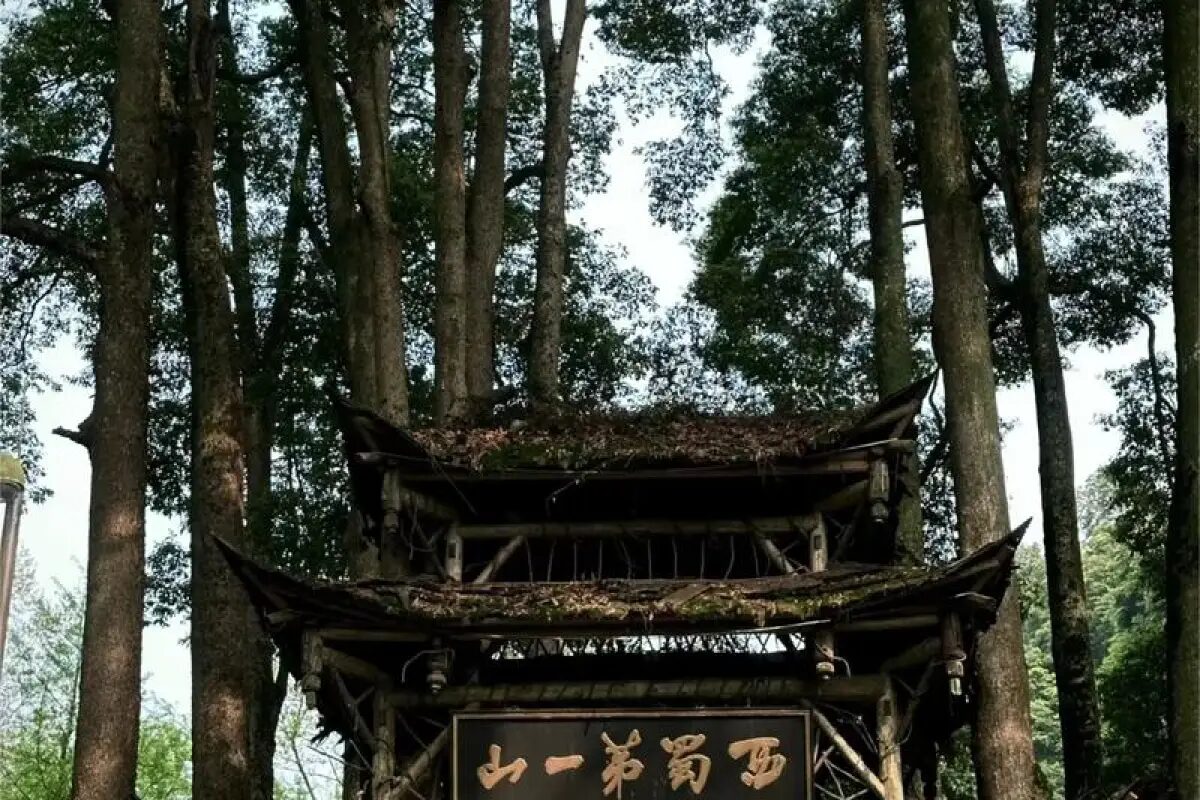
The initial approach immediately distinguishes Front Mountain from typical tourist destinations. Rather than aggressive commercialization, you encounter thoughtfully maintained paths, traditional architecture, and signage that provides cultural context without overwhelming the natural setting.
Moon City Lake (月城湖) – The Reflective Beginning
The journey’s first major stop, Moon City Lake, serves both practical and philosophical purposes. Practically, the lakeside walk allows visitors to acclimate to the mountain’s elevation and atmosphere. Philosophically, the lake’s mirror-like surface reflects both sky and surrounding peaks, embodying the Taoist concept of harmony between earthly and celestial realms.
The lake circuit takes approximately 30-45 minutes at a leisurely pace, providing opportunities to observe local wildlife, traditional fishing techniques, and the gradual transition from cultivated landscapes to pristine mountain wilderness. Early morning visits often reveal mist rising from the water’s surface, creating ethereal photography opportunities.
The Temple Circuit: A 4-Hour Spiritual Journey
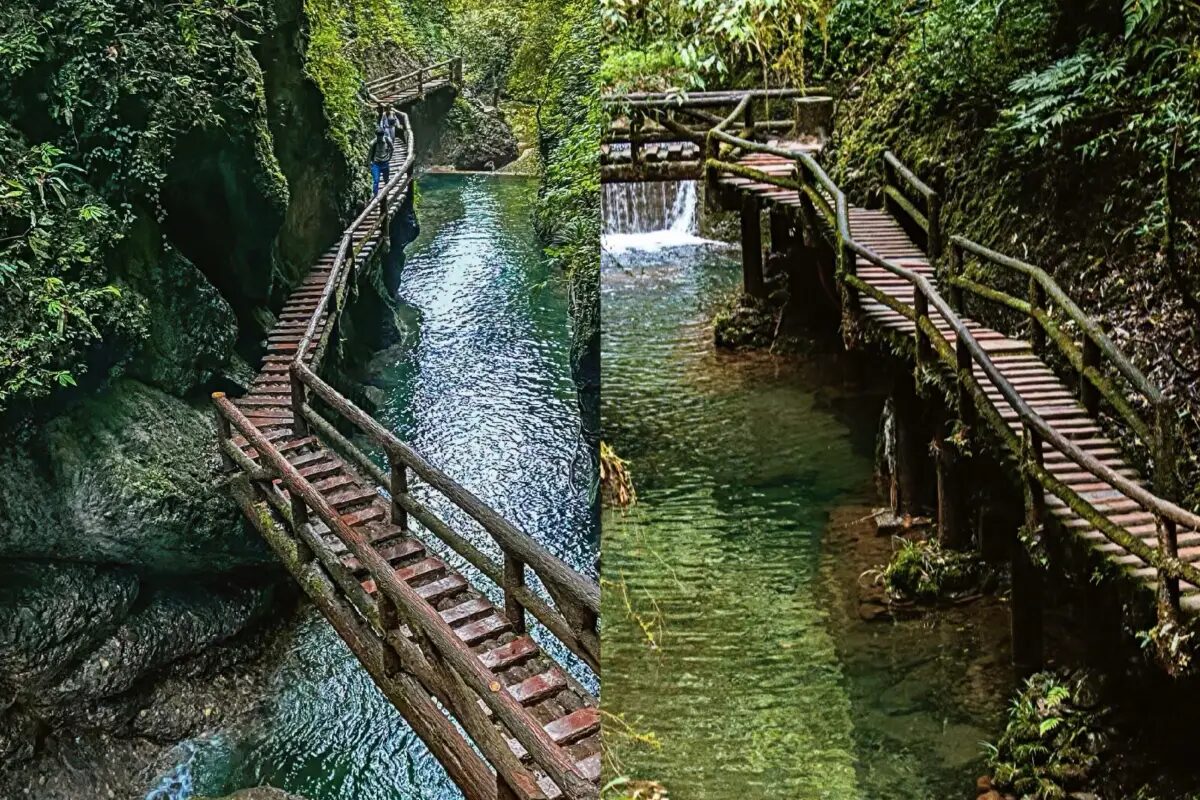
The main temple circuit represents approximately 4 hours of walking that combines moderate physical exercise with profound cultural immersion. The trail is well-maintained with stone steps, handrails where needed, and rest pavilions strategically placed to enhance rather than intrude upon the natural environment.
Elevation Profile: The journey culminates at Laojun Pavilion (老君阁) at 2,434 meters elevation, making it Mount Qingcheng’s highest accessible point. The climb is gradual rather than steep, making it accessible to visitors with moderate fitness levels.
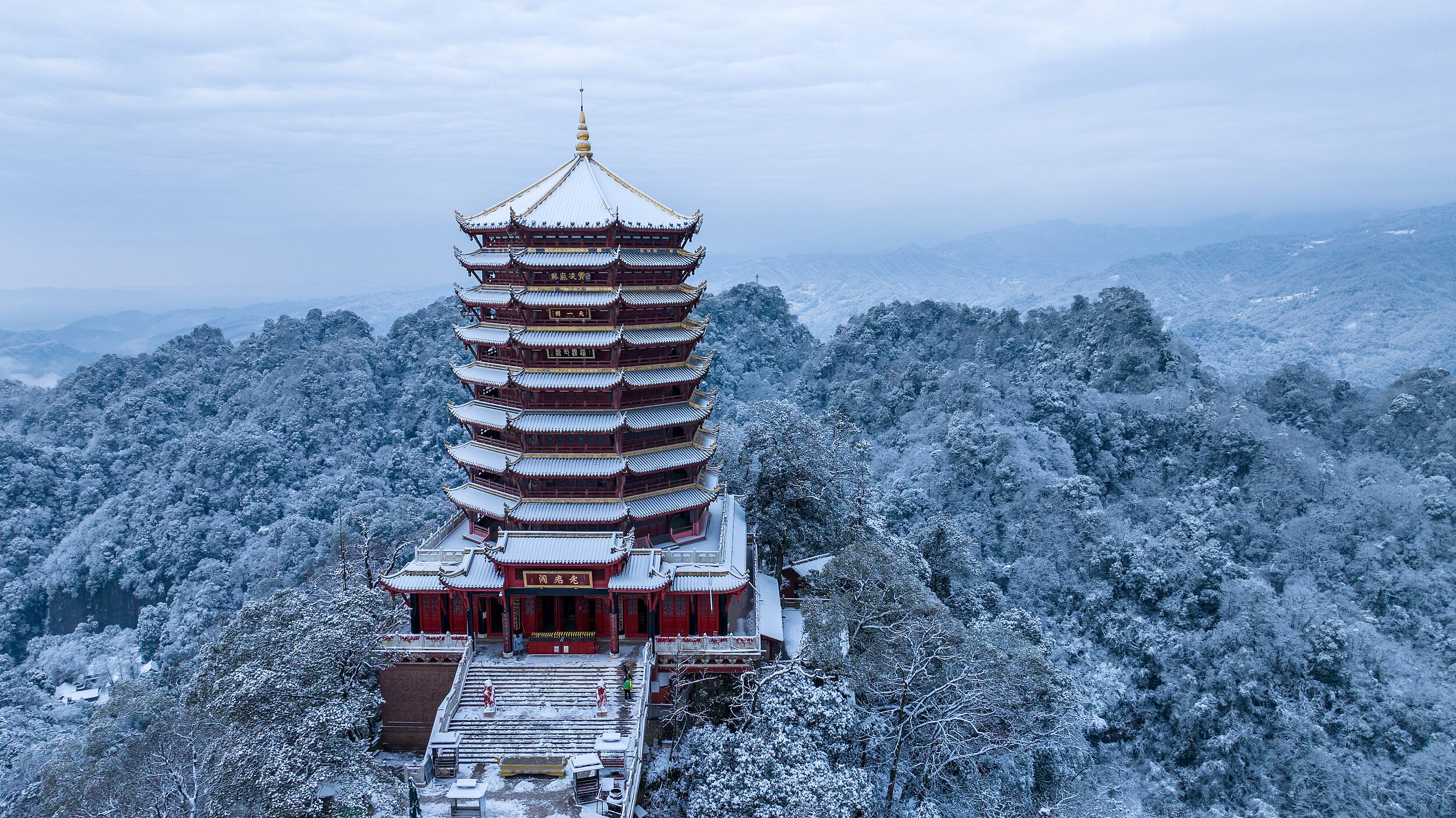
Cultural Waypoints: Each temple stop provides distinct insights into Taoist philosophy, art, and practice. Rather than rushing between sites, the experience encourages contemplative walking where the journey becomes as meaningful as the destinations.
Cable Car Option and Accessibility
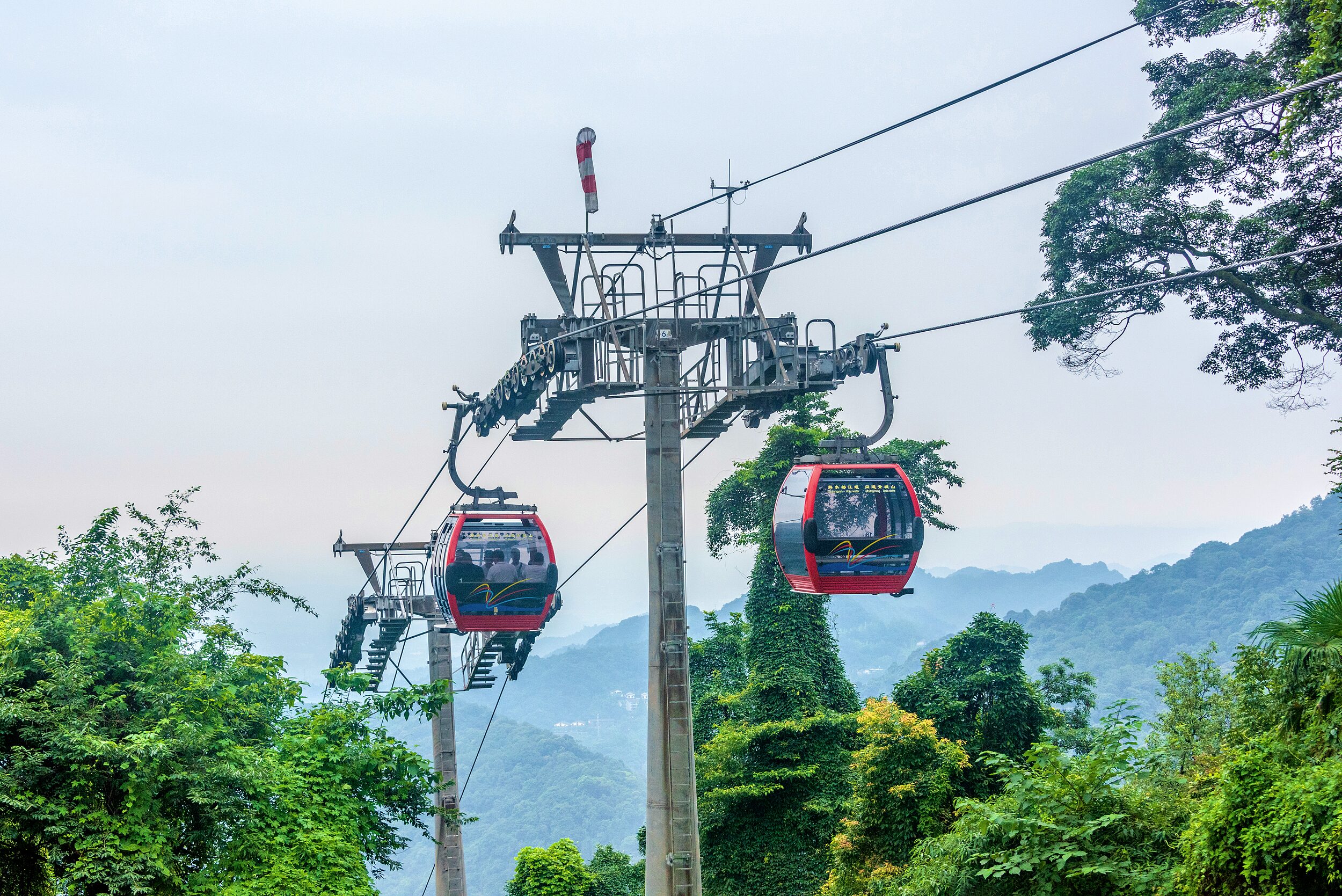
For visitors with limited mobility or time constraints, a cable car system provides access to upper mountain temples while preserving the cultural experience. The cable car itself offers spectacular aerial views of the temple complexes nested within the forest canopy.
Strategic Use: Many visitors use cable cars for descent after completing the upward temple walk, reducing fatigue while maximizing cultural exposure. This combination approach provides the full spiritual journey without excessive physical demands.
Solving International Visitor Challenges
Language and Cultural Navigation
Mount Qingcheng Front Mountain provides English signage at major temples and audio guide rentals that explain Taoist concepts in accessible terms. The audio guides particularly help international visitors understand symbolic elements in temple architecture, artwork, and ceremonies that might otherwise seem mysterious.
Cultural Etiquette Guidance: Posted signs and staff assistance ensure visitors understand appropriate behavior in active religious spaces, including photography restrictions, noise levels, and participation protocols during ceremonies.
Transportation and Logistics
From Dujiangyan: Mount Qingcheng sits just 15 kilometers from the Dujiangyan Irrigation System, making combined visits highly practical. Local buses run frequently (every 20-30 minutes), while taxis provide direct door-to-door service.
From Chengdu: Direct transportation options include high-speed rail to Qingchengshan Station (45 minutes) or bus service (1.5 hours). The mountain’s proximity to major transportation hubs eliminates the isolation challenges common at other sacred sites.
Weather and Seasonal Considerations
Mist and Clouds: Mount Qingcheng’s famous mist creates atmospheric beauty but can reduce visibility. The mountain’s mystical character actually enhances during cloudy conditions, though clear days provide better photography opportunities.
Seasonal Advantages:
- Spring (March-May): Azaleas bloom, moderate temperatures, renewed energy
- Summer (June-August): Lush foliage, occasional afternoon thunderstorms, cooler mountain temperatures
- Autumn (September-November): Clear skies, comfortable temperatures, autumn colors
- Winter (December-February): Fewer crowds, crisp air, possible snow on peaks
Practical Visitor Information
Tickets and Pricing
- Adult Admission: 80 RMB
- Children’s Tickets: 40 RMB (ages 6-18, height restrictions may apply)
- Senior Discounts: Available for visitors over 60 with valid ID
- Combined Packages: Available with cable car, audio guides, and group services
Enhanced Experience Options
For comprehensive cultural immersion, combined tickets with English-speaking guides provide deeper insights into Taoist philosophy, temple architecture, and mountain ecology. These enhanced experiences include traditional tea ceremonies, meditation introductions, and personalized cultural discussions.
Book your enhanced Mount Qingcheng Front Mountain experience: Reserve your guided cultural journey here
Operating Hours and Crowd Management
Peak Hours: 9:00 AM – 2:00 PM typically see the highest visitor volume
Optimal Timing: Early morning (8:00 AM arrival) or late afternoon (after 3:00 PM) provide more contemplative experiences
Seasonal Variations: Summer weekends and Chinese holidays significantly increase crowds
Photography and Documentation
Sacred Photography Etiquette
While photography is generally permitted in outdoor areas, temple interiors often restrict flash photography and ceremony photography requires permission. Respecting these guidelines ensures continued access while honoring religious sensitivities.
📸 Perfect Photo Spots:
- Laojun Pavilion: Panoramic views across the entire sacred landscape
- Moon City Lake reflections: Early morning mist and mountain reflections
- Ancient cypress groves: Dramatic light filtering through centuries-old trees
- Temple courtyards: Traditional architecture framed by natural settings
Documenting Cultural Understanding
Beyond scenic photography, Mount Qingcheng offers opportunities to document authentic cultural experiences – monks in daily practice, traditional architecture details, ritual objects, and the integration of human spiritual practice with natural preservation.
The Philosophical Experience
Understanding Taoist Principles Through Place
Mount Qingcheng Front Mountain provides tangible examples of core Taoist concepts:
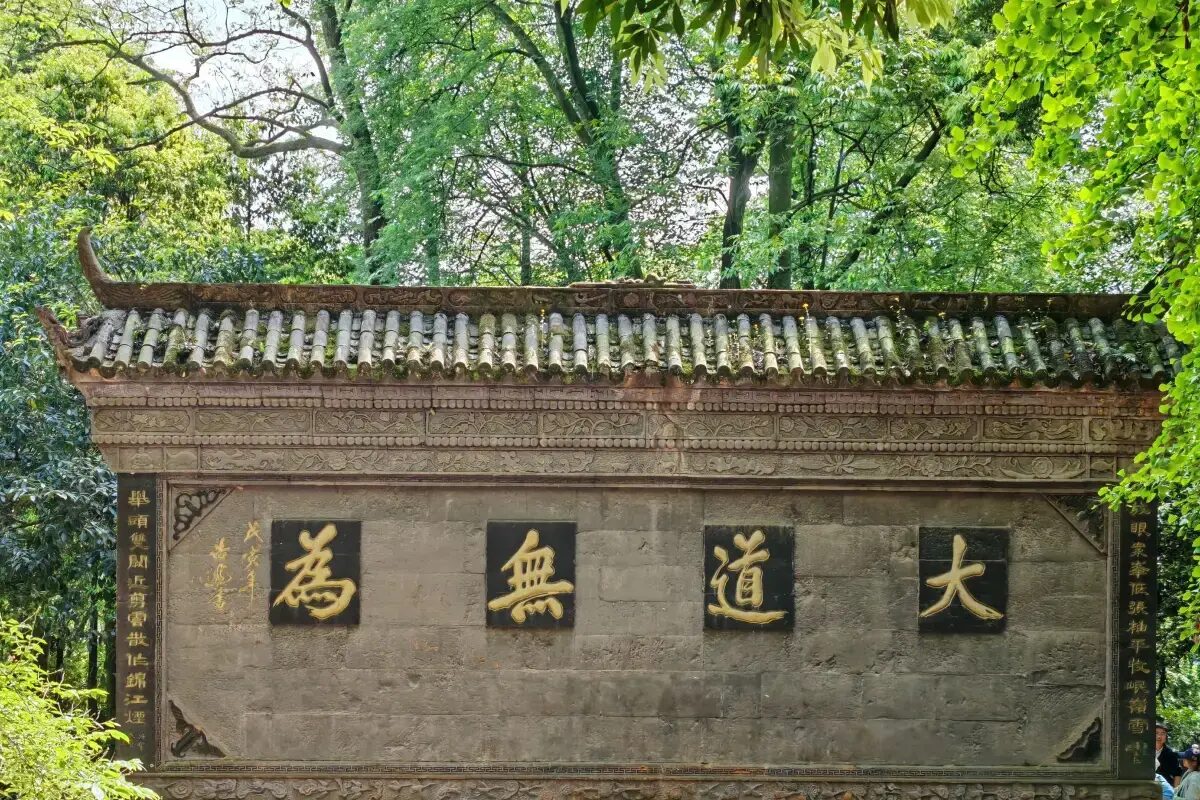
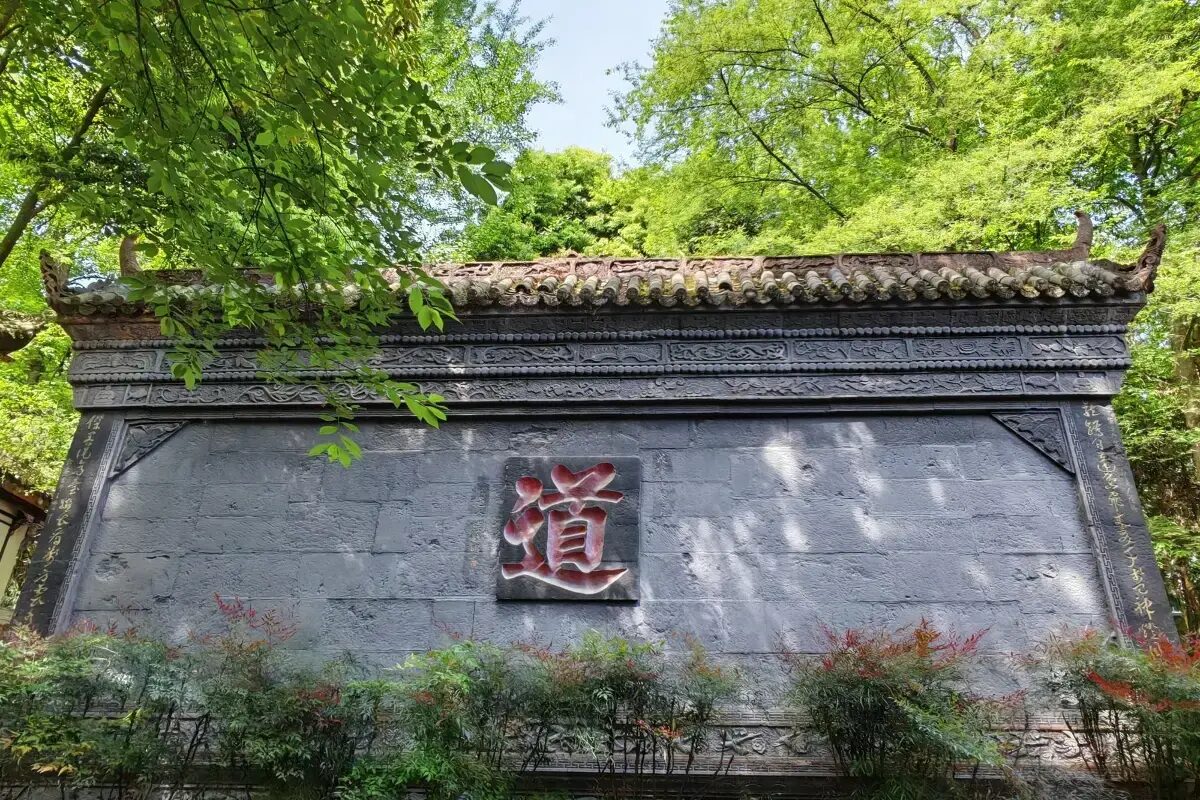
Wu Wei (无为) – “Effortless Action”: The mountain’s temples demonstrate architecture that works with natural topography rather than against it, achieving maximum harmony through minimal environmental disruption.
Yin-Yang Balance: The interplay between cultivated temple spaces and wild natural areas creates dynamic balance where human spiritual needs coexist with ecosystem preservation.
Ziran (自然) – “Natural Spontaneity”: The mountain’s preserved forests, streams, and wildlife demonstrate Taoist ideals of allowing natural processes to unfold without excessive human interference.
Contemporary Relevance
For international visitors grappling with modern environmental and spiritual challenges, Mount Qingcheng offers ancient wisdom with contemporary applicability. The mountain’s 1,800-year success in balancing religious practice, cultural preservation, and environmental protection provides models for sustainable development that many global communities seek.
Combining with Regional Experiences
The Classic Sichuan Cultural Circuit
Mount Qingcheng Front Mountain pairs perfectly with the nearby Dujiangyan Irrigation System, creating a complete day that demonstrates how ancient Chinese civilization achieved both technological innovation and spiritual depth. This combination allows visitors to understand the cultural context that enabled Sichuan to become one of China’s most prosperous and culturally sophisticated regions.
Extended Cultural Immersion
Multi-day visitors can combine Front Mountain spiritual experiences with Back Mountain nature adventures, Chengdu culinary exploration, and panda conservation centers for comprehensive understanding of Sichuan’s cultural and natural heritage.
Sustainable Cultural Tourism
Responsible Visiting Practices
Mount Qingcheng’s continued preservation depends on visitor awareness and cooperation:
- Respect active religious practices and give ceremonies appropriate space
- Stay on designated paths to prevent erosion and wildlife disturbance
- Pack out all trash to maintain the mountain’s pristine character
- Support local communities by choosing locally-owned services when available
Cultural Exchange Opportunities
The mountain’s active Taoist community occasionally offers cultural exchange programs where international visitors can participate in meditation sessions, traditional arts workshops, and philosophical discussions. These programs provide deeper cultural understanding while supporting the religious community’s educational mission.
Book Your Mount Qingcheng Front Mountain Spiritual Journey
Ready to experience China’s most sacred Taoist mountain where ancient wisdom continues to thrive in pristine natural beauty? Mount Qingcheng Front Mountain offers international visitors an unparalleled opportunity to understand Chinese spiritual philosophy while enjoying one of the country’s most tranquil landscapes.
From the mystical mist that shrouds ancient temples to the philosophical insights waiting along mountain paths, from active religious communities maintaining 1,800-year traditions to the “Most Serene Place Under Heaven” that continues to inspire seekers worldwide, Mount Qingcheng Front Mountain provides the perfect introduction to the spiritual dimension of Chinese culture.
Secure your Mount Qingcheng Front Mountain cultural experience: Book your spiritual discovery journey here and step into a world where ancient Taoist wisdom offers contemporary solutions for finding harmony between human ambition and natural balance.
Don’t miss this opportunity to witness living Chinese spiritual tradition in its birthplace, where every temple tells stories of philosophical evolution, where mountain mists carry the prayers of centuries, and where the tranquility that inspired Taoism’s founders continues to provide refuge for modern seekers of wisdom and peace.
This comprehensive guide offers verified access to Mount Qingcheng Front Mountain with current pricing, cultural context, and practical visitor information. For additional Sichuan spiritual and cultural experiences, explore our complete China heritage travel guides.