

Standing face-to-face with 8,000 life-size clay soldiers who have guarded an emperor’s tomb for over 2,200 years is not something you forget. The Terracotta Warriors of Xi’an — a UNESCO World Heritage Site and China’s largest ancient military museum — is one of the most breathtaking archaeological discoveries in human history. Yet for international visitors, getting there without a Chinese phone number, navigating ticket queues, and understanding what you’re actually looking at can turn a dream visit into a frustrating scramble. This guide cuts through all of that.
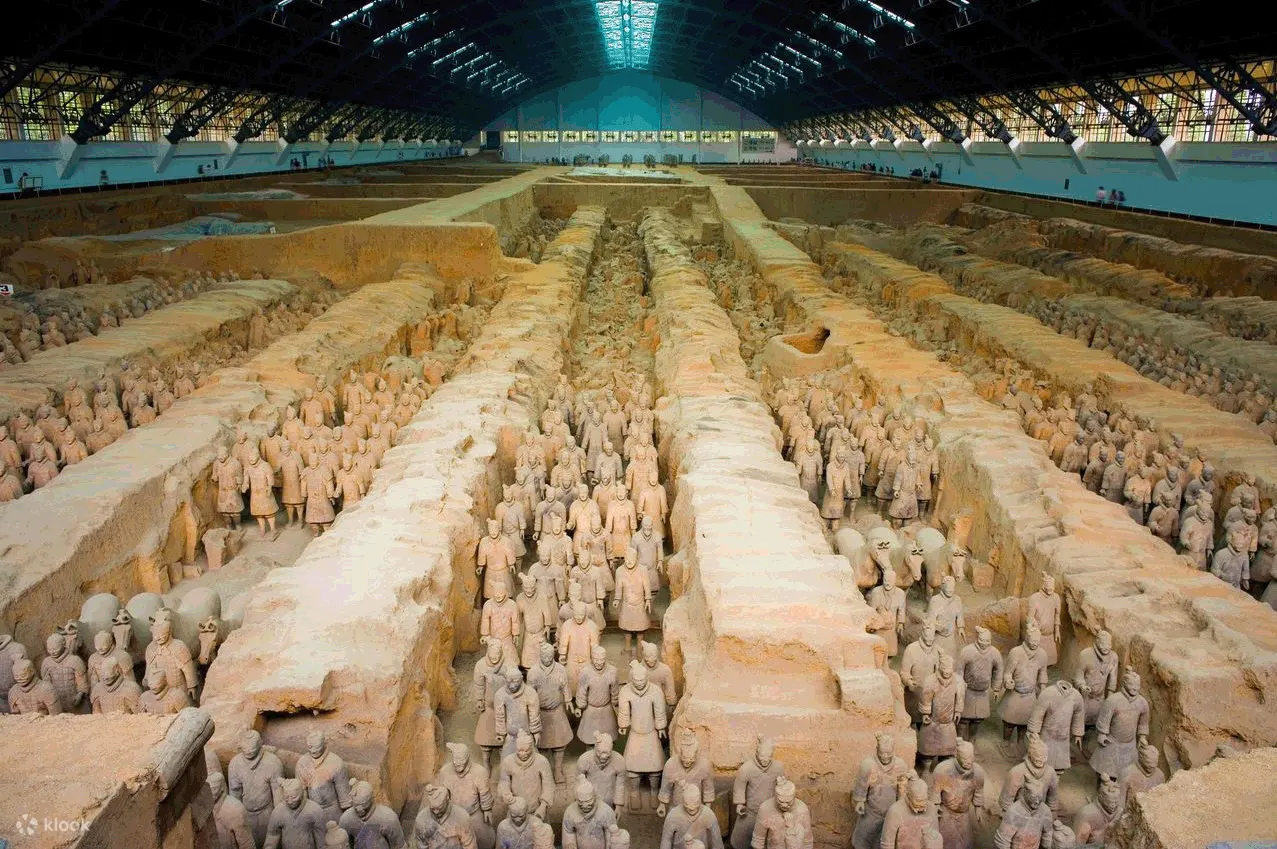
The army was created to accompany Qin Shi Huang, China’s first emperor, into the afterlife — a man who unified warring kingdoms and built the foundations of what we now call China. Walk through Pit 1, the largest excavation hall in the world, and you’ll see rows of warriors stretching so far back they seem to disappear into history itself. Every single figure has a unique face, hairstyle, and expression — a staggering feat of artisanship achieved without modern technology, driven purely by human patience and imperial ambition.
What makes this experience truly special is scale and intimacy combined. You can get close enough to read the emotion on a general’s face, spot the hand-stitched patterns on an archer’s armor, and wonder about the craftsman who shaped that very piece of clay two millennia ago. Highly praised by international visitors worldwide, the site rewards slow, curious exploration over rushed photo stops.
Booking smart matters here. The site operates under daily visitor caps, especially between March and November. Visitors from 39 countries and regions can use a dedicated overseas tourist channel to purchase tickets online with international payment methods — no Chinese phone number required. For the smoothest experience, booking through Klook (approximately $19–39 USD) gets you skip-the-line access and confirmed entry, saving you from potentially turning back at the gate on a sold-out day.
What to Bring
- Passport (required for entry as a foreign visitor)
- Printed or downloaded ticket confirmation
- Comfortable walking shoes
- Water bottle and sunscreen (outdoor sections between halls)
- Portable charger (essential for audio guide apps and navigation)
- Light jacket (the pits are air-conditioned and can feel cold in summer)
- Small amount of cash (¥) for snacks or incidentals, though most vendors accept Alipay/WeChat Pay
Cultural Etiquette
- No touching the display barriers or leaning over protective railings — rangers enforce this strictly
- Speaking quietly inside the pits is appreciated and adds to the atmosphere
- Photography is permitted without flash; tripods may require prior approval
- Dress modestly — while there’s no strict dress code, respectful attire fits the historical setting
Overview
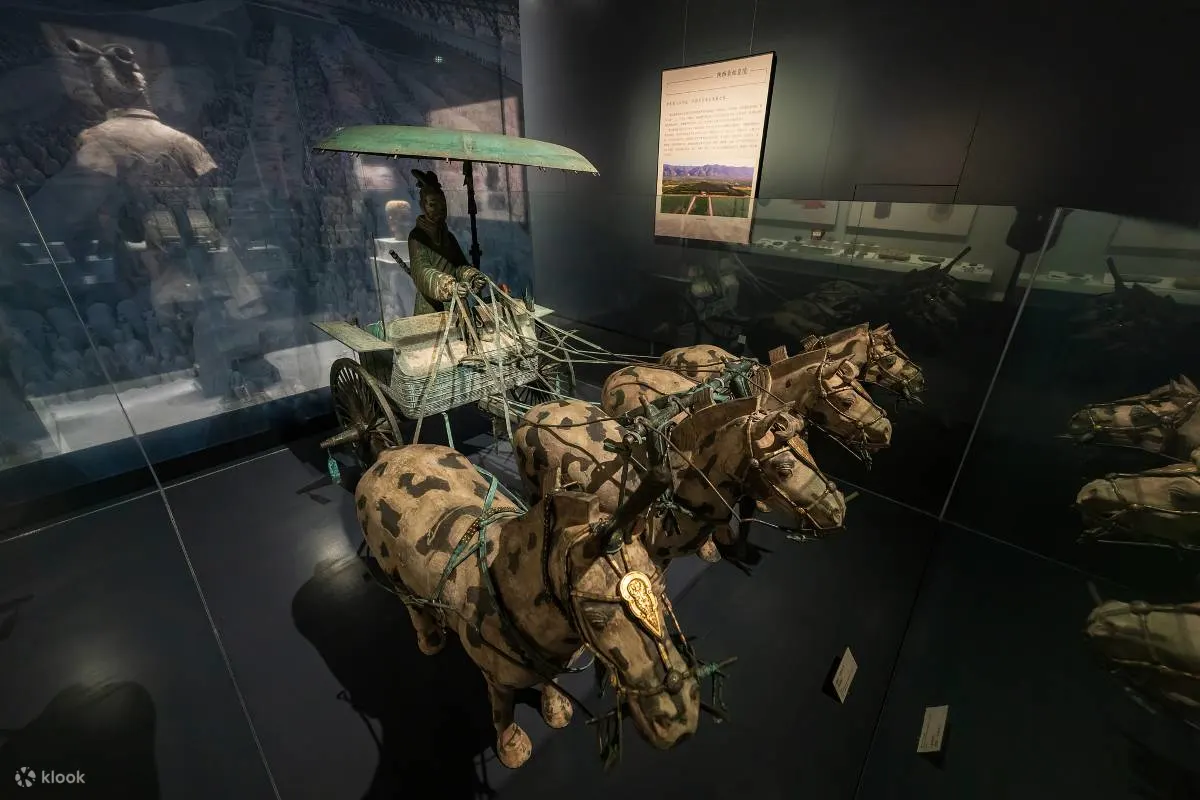
The Terracotta Army, Xi’an, China. In 1974, farmers digging a well accidentally unearthed one of the greatest archaeological finds of the 20th century. Over 8,000 life-sized terracotta soldiers, 130 chariots, and 520 horses — all buried with China’s first emperor, Qin Shi Huang, in 210 BCE. Each warrior has a unique face. No two are the same. They held real bronze weapons. They were painted in vivid colors. They stood in full military formation — waiting for 2,200 years.
Highlights
- Witness the World's Largest Underground Army
- Decode 2,000 Years of Craftsmanship Up Close
- Explore Three Distinct Excavation Pits
- Skip Language and Payment Barriers with Ease
- Connect with China's First Unified Empire
- Photograph Authentically, Not Just Touristly