
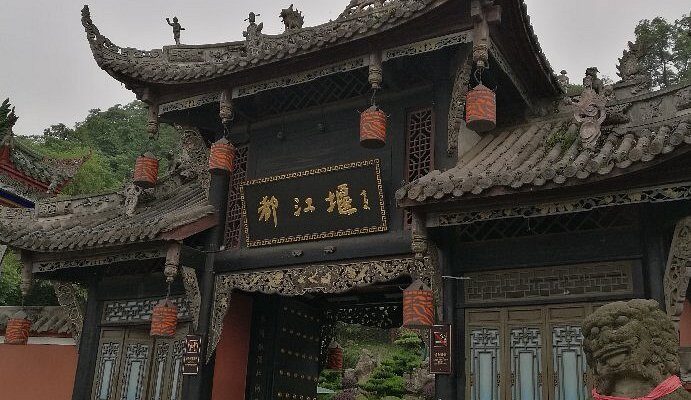
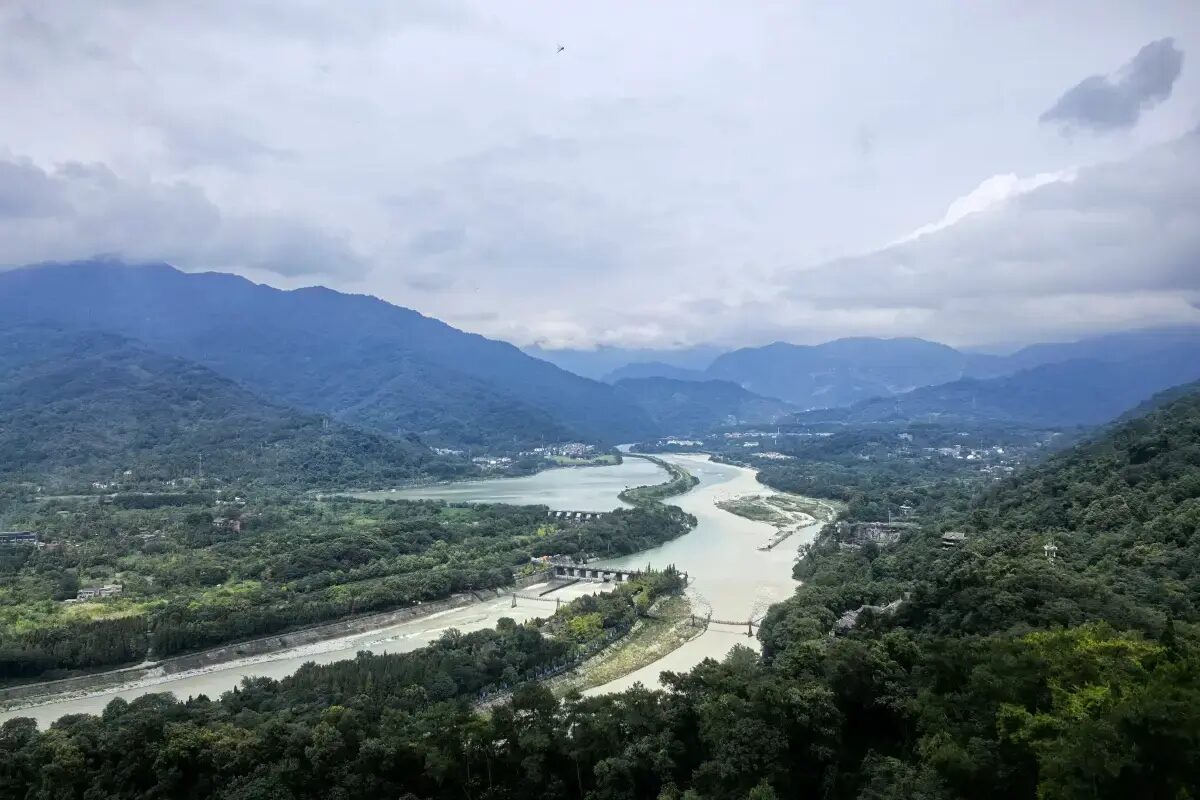
Discover the world’s most ingenious ancient water management system that has been controlling floods and irrigating farmlands for over 2,000 years without a single dam. The Dujiangyan Irrigation System, built around 256 BCE by the visionary engineer Li Bing and his son, represents one of humanity’s greatest triumphs in harmonious environmental engineering—transforming the turbulent Minjiang River into the lifeblood of Sichuan’s fertile Chengdu Plain.
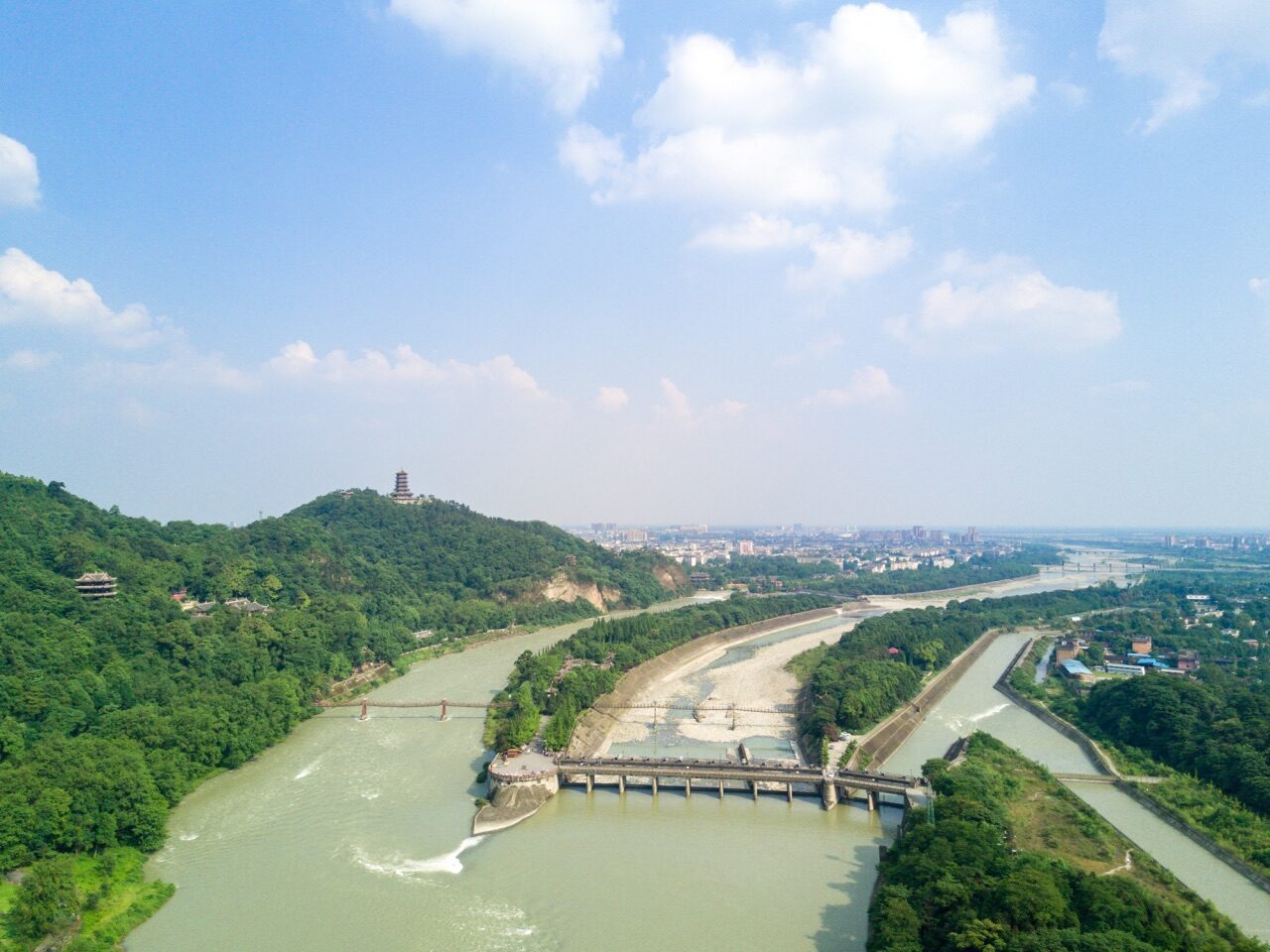
Unlike typical tourist attractions that offer static historical displays, Dujiangyan presents a living, breathing engineering marvel that continues to function exactly as designed over two millennia ago. For international visitors seeking authentic Chinese cultural experiences beyond the usual temple tours, this UNESCO World Heritage site offers profound insights into ancient Chinese philosophy of working with nature rather than against it.
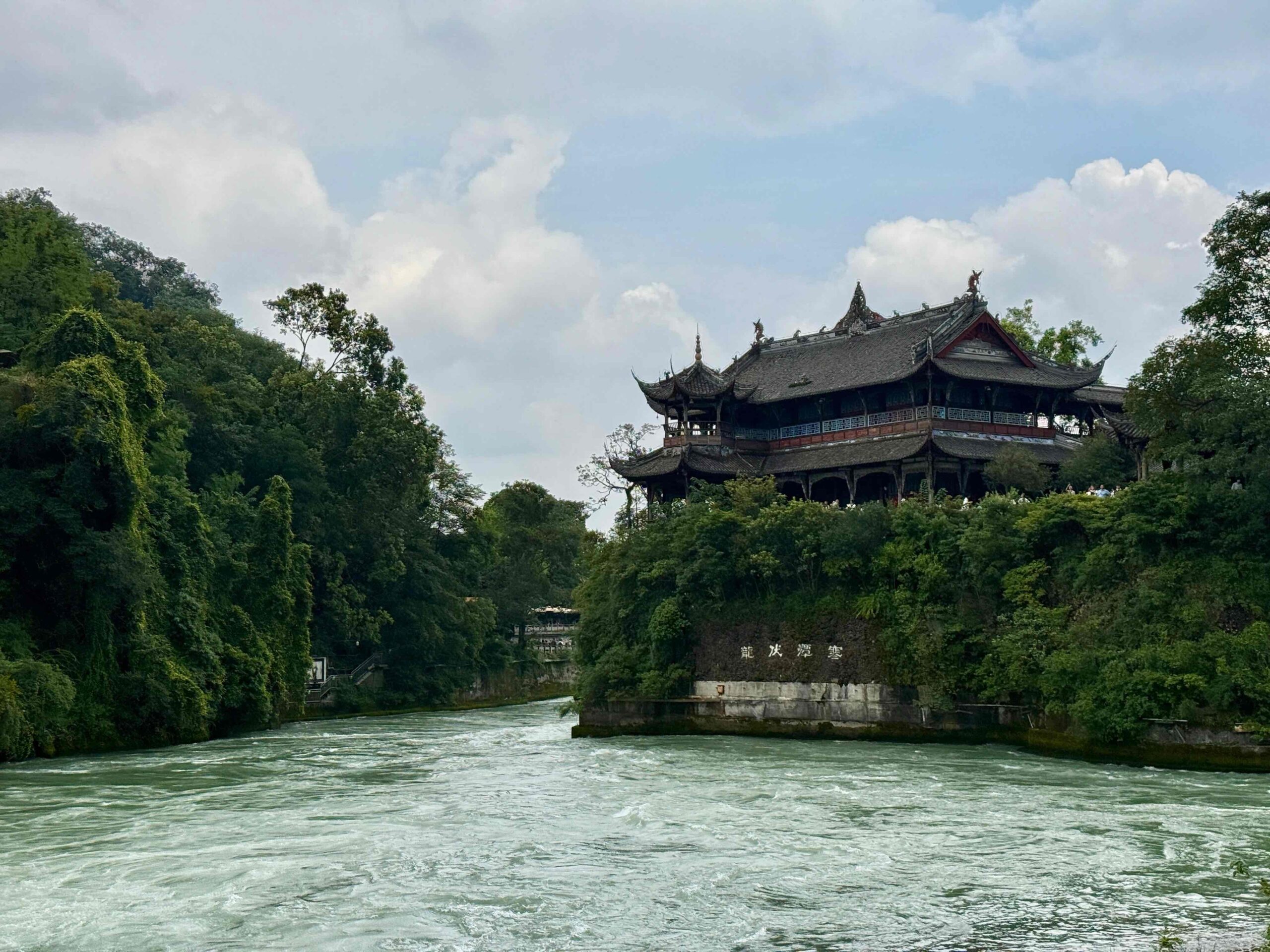
The Engineering Genius That Created “Heaven’s Storehouse”
The Dujiangyan system solved one of ancient China’s most pressing challenges: how to control the devastating floods of the Minjiang River while providing reliable irrigation for agriculture. Li Bing’s revolutionary solution was elegantly simple yet brilliantly complex—instead of building a dam that would block the river’s natural flow, he created a self-regulating system that divides, controls, and redirects water using three ingenious components.
The Three Pillars of Ancient Innovation
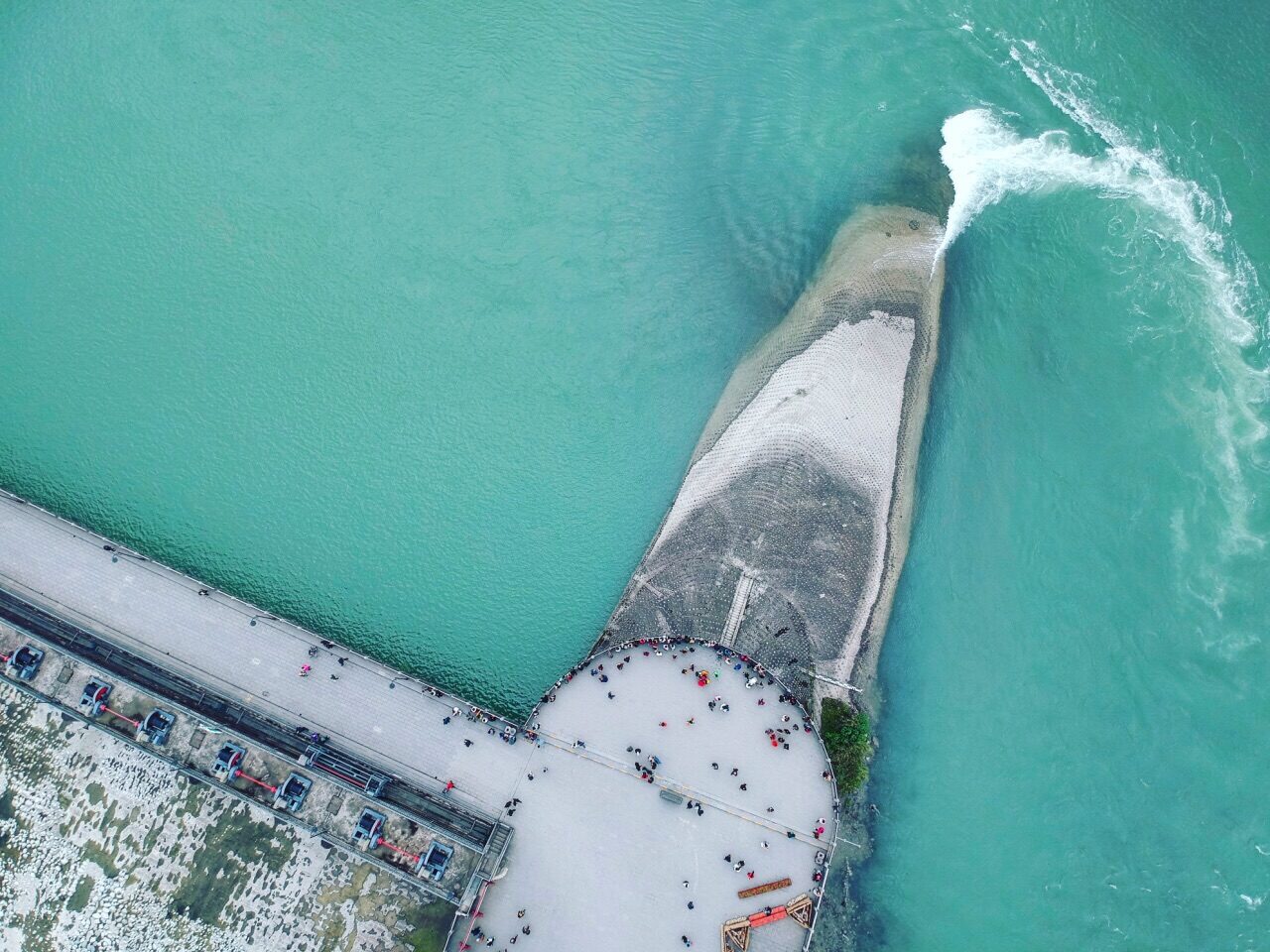
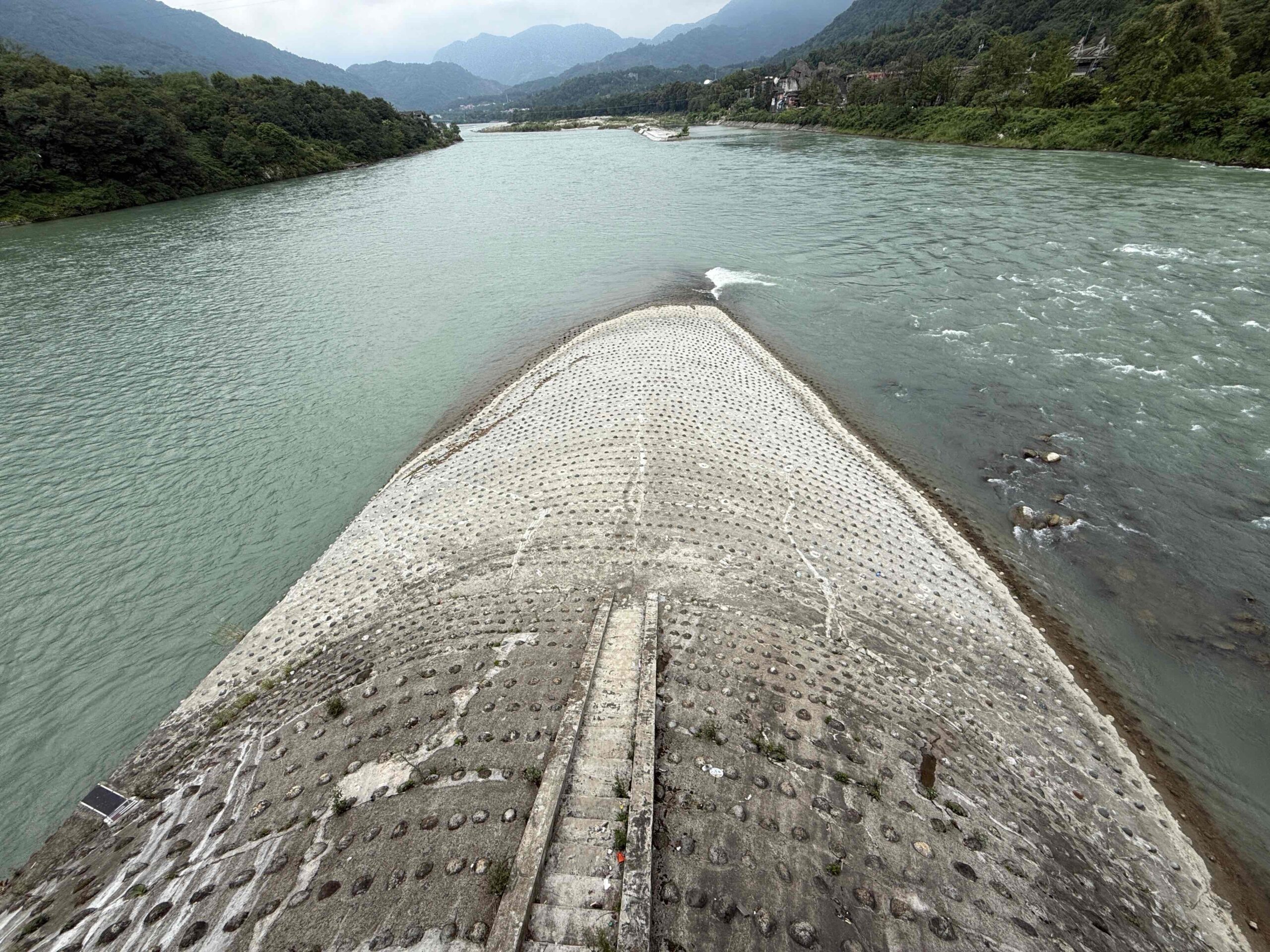
Yuzui (Fish Mouth Levee): This cleverly designed artificial island splits the Minjiang into two channels—the Outer River (Waijiang) for flood discharge and the Inner River (Neijiang) for irrigation. The pointed shape resembles a fish’s mouth, hence its poetic name. During flood season, 60% of water flows to the outer channel, while in dry season, 60% flows to the inner channel for irrigation, automatically adjusting without human intervention.
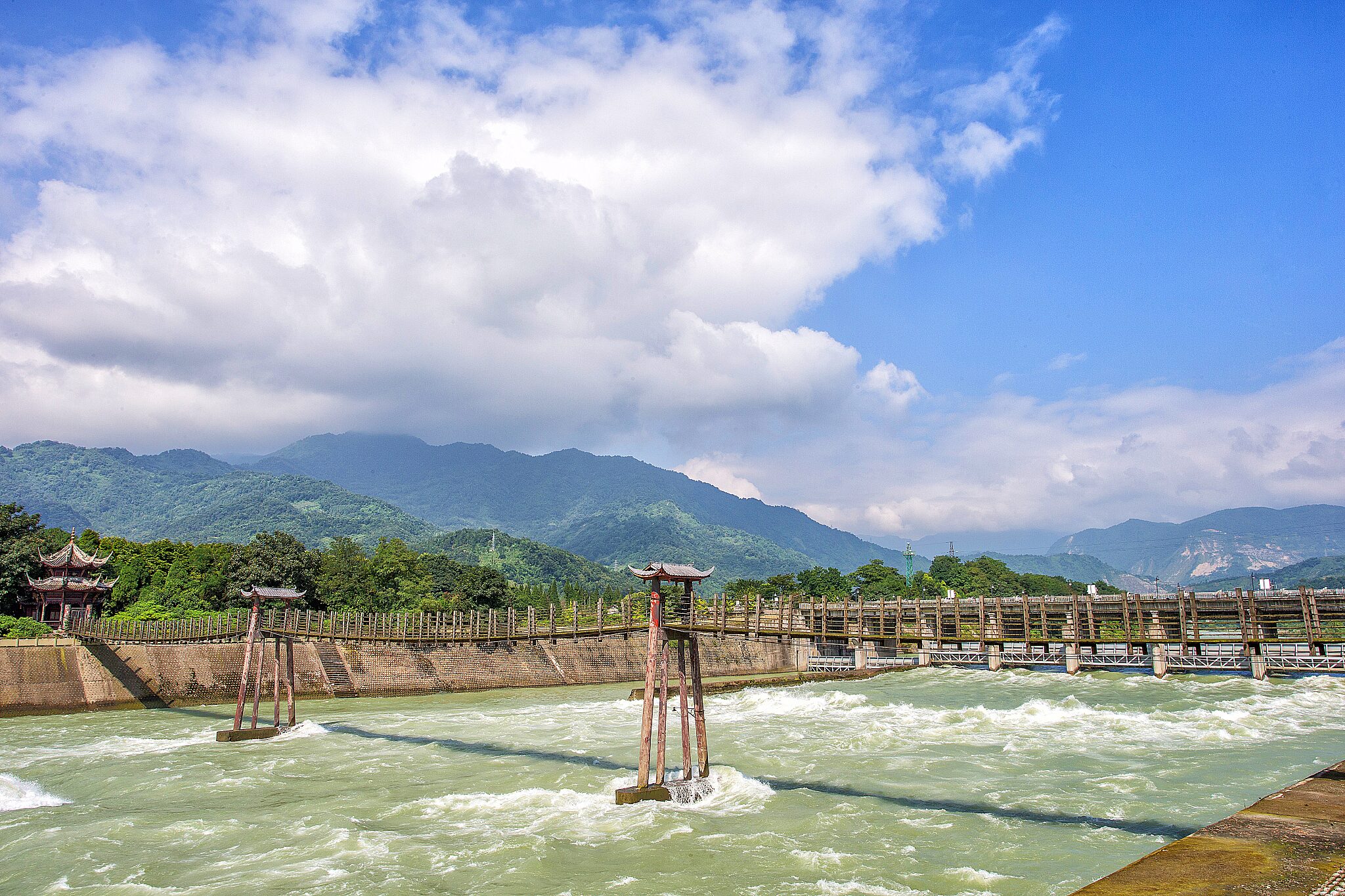
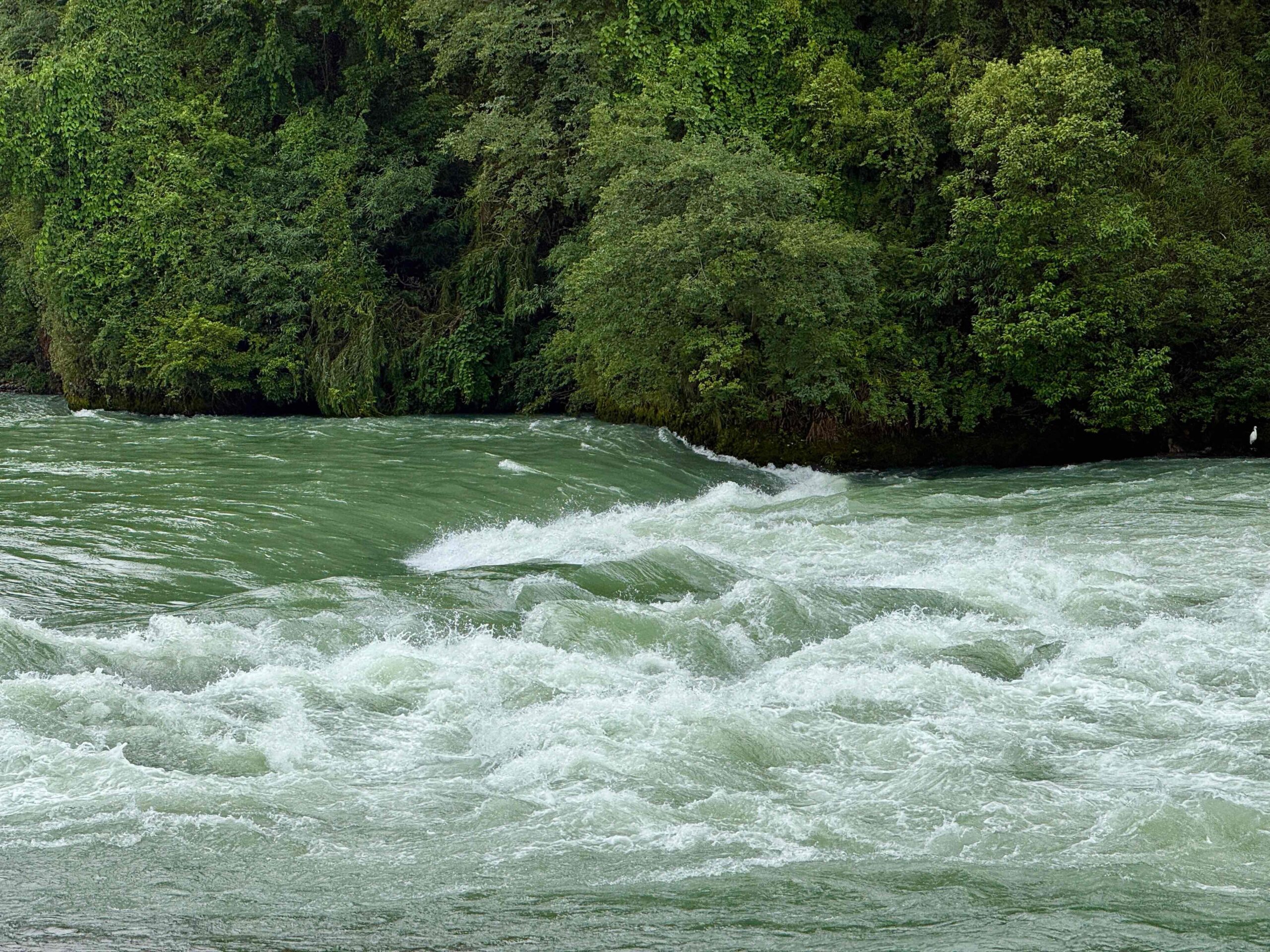
Feishayan (Flying Sand Weir): Perhaps the most ingenious component, this spillway acts as both a flood outlet and a natural sediment removal system. When water levels rise during floods, excess water “flies” over the weir, carrying sediment away from the irrigation channels. This self-cleaning mechanism has kept the system operational for over two thousand years without major dredging.
Baopingkou (Bottle Neck Channel): This narrow artificial gorge cut through Mount Yulei controls the volume of water entering the irrigation network. Its bottle-neck shape naturally regulates flow—during high water, the constriction prevents too much water from entering the irrigation channels, while during low water, it ensures sufficient flow for farming needs.
Cultural Significance: Where Philosophy Meets Engineering
Dujiangyan embodies the core Chinese philosophical principle of “harmony between heaven, earth, and humanity” (天人合一). Rather than conquering nature through brute force, Li Bing’s design works with the river’s natural behavior, redirecting its power for human benefit while preserving its ecological integrity.
The system reflects Taoist principles of wu wei (无为)—achieving maximum results through minimal intervention. This philosophy permeates Chinese culture and is beautifully demonstrated in Dujiangyan’s elegant simplicity. The nearby Mount Qingcheng, just 15 kilometers away, is actually considered the birthplace of Taoism, making this region the perfect place to understand how ancient Chinese thought influenced practical problem-solving.
Daytime Exploration: Walking Through Living History
What to Expect During Your Visit
The scenic area covers approximately 200 hectares with well-maintained walkways connecting all major viewing points. The standard route takes you across the famous Anlan Suspension Bridge (安澜桥), offering spectacular aerial views of the water division at Fish Mouth Levee. From there, you’ll walk along embankments to observe each engineering component up close.
Key Viewing Points:
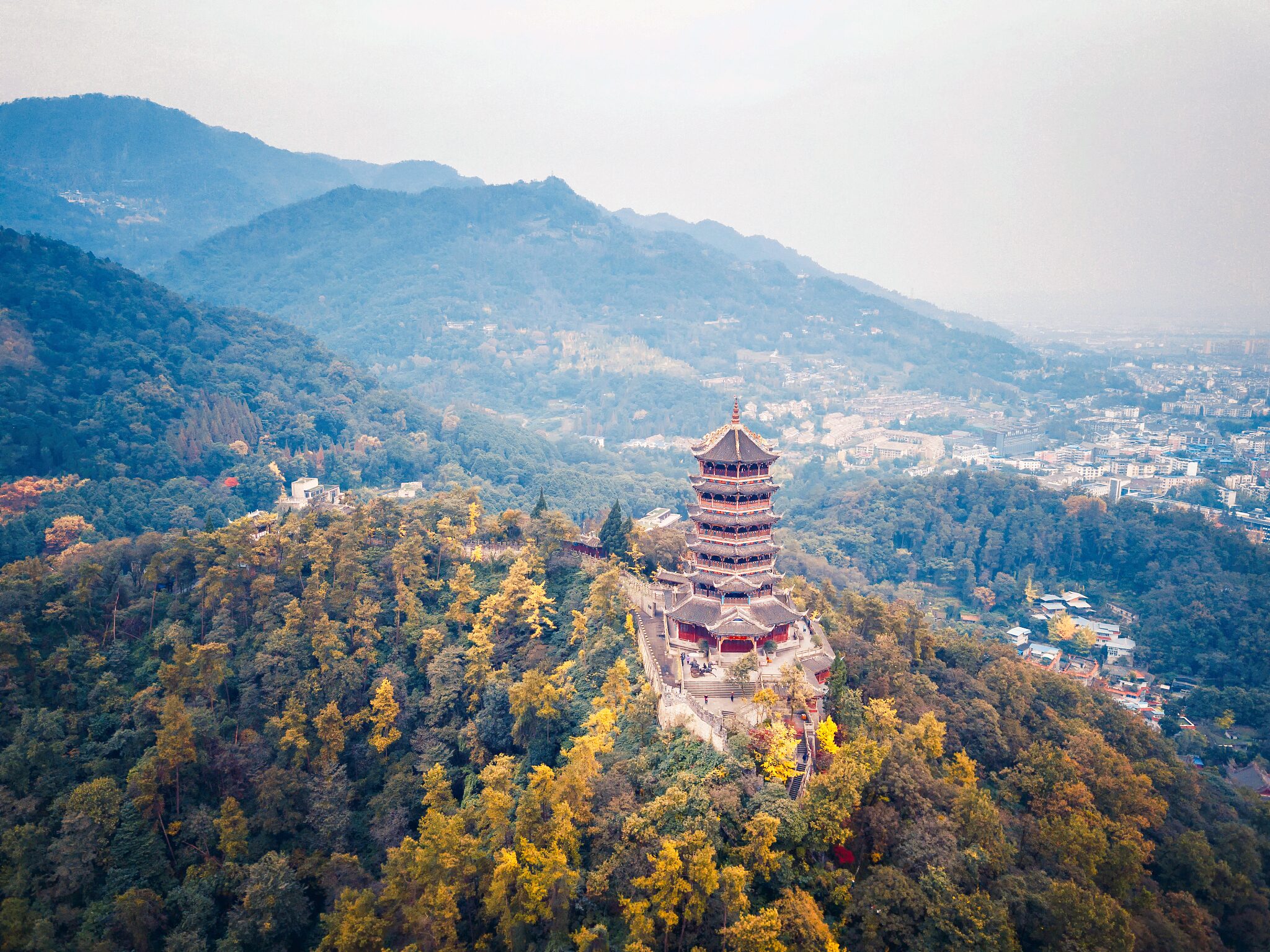
- Erwang Temple (二王庙): Dedicated to Li Bing and his son, providing historical context
- Anlan Bridge: 240-meter suspension bridge offering panoramic river views
- Yuzui Observation Platform: Close-up views of the water division in action
- Feishayan Overlook: Watch flood control and sediment management
- Baopingkou Viewing Area: See the precision-cut intake channel
Best Visiting Strategy
Morning (8:00-12:00): Start at Erwang Temple for historical context, cross Anlan Bridge for panoramic views, explore the Fish Mouth Levee area, and observe water flow dynamics at Flying Sand Weir.
Afternoon (13:00-16:00): Visit Baopingkou for detailed engineering examination, explore Lidui Park for river ecosystem understanding, and conclude at the visitor center for comprehensive exhibits.
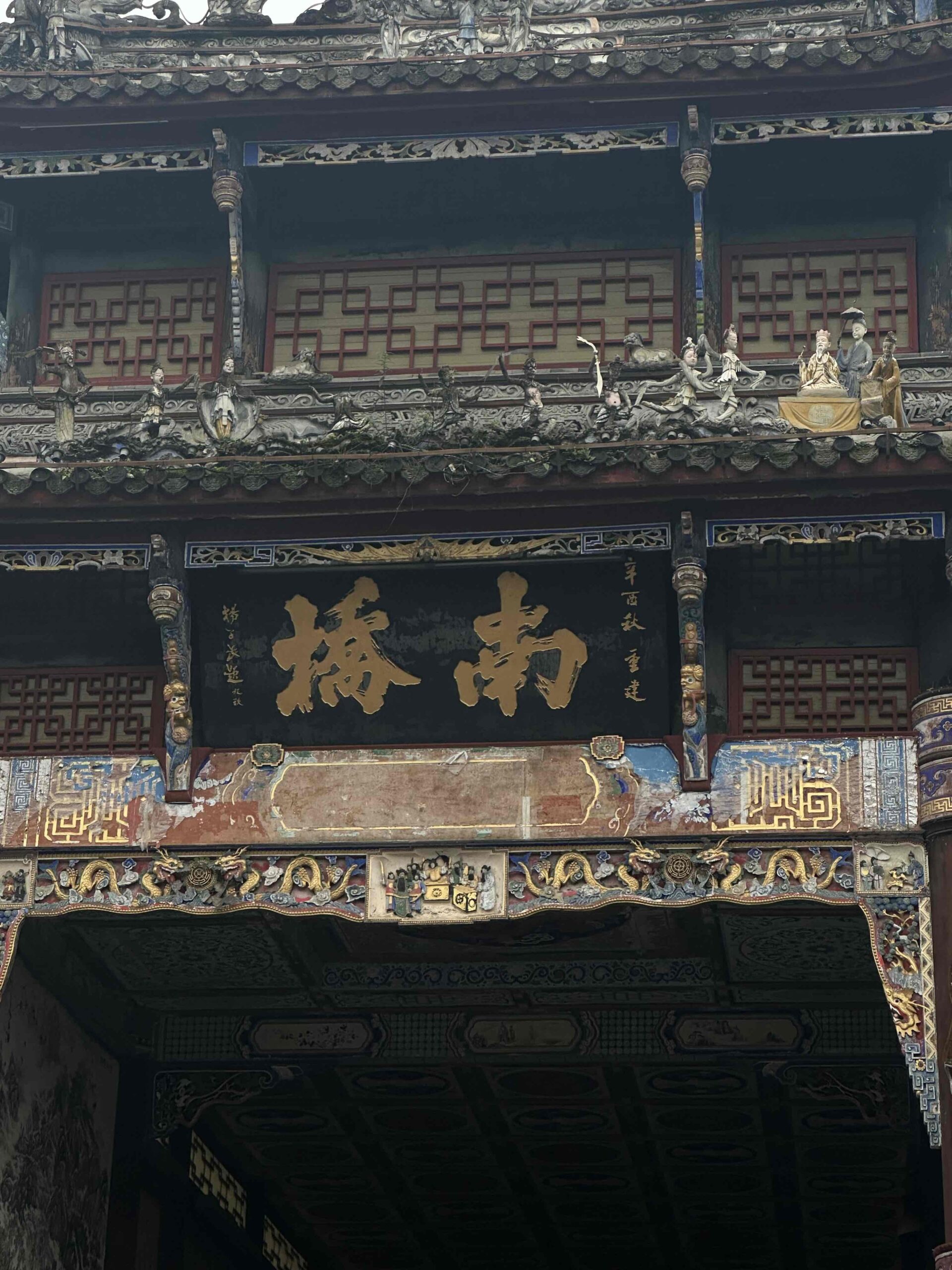
Evening Magic: Nanqiao (South Bridge) and the “Blue Tears” Phenomenon
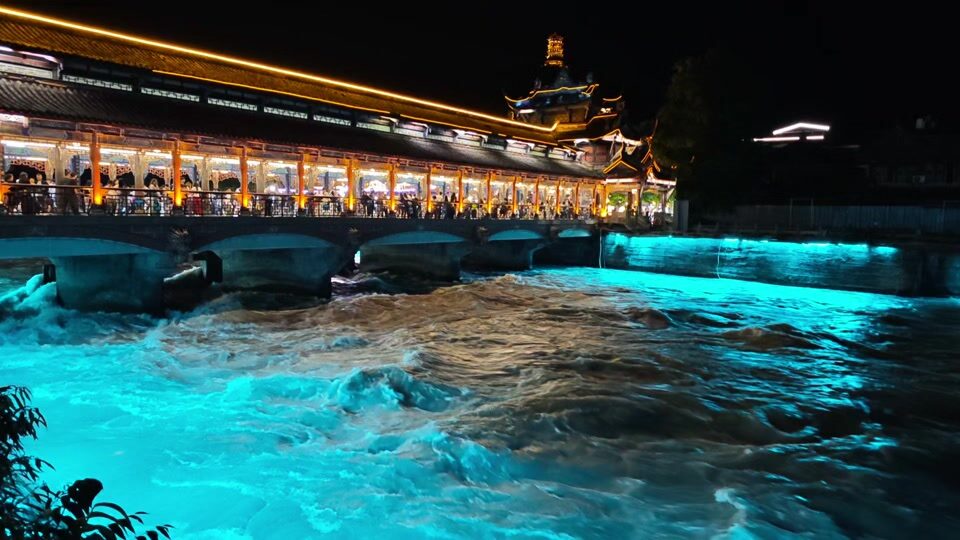
As daylight fades, Dujiangyan transforms into something entirely different—and arguably even more magical. The Nanqiao (South Bridge) becomes the centerpiece of an enchanting evening experience that combines natural beauty with modern illumination technology.
The “Blue Tears” Spectacle
When darkness falls, the South Bridge area comes alive with carefully positioned blue LED lighting that creates one of Sichuan’s most Instagram-worthy phenomena. The flowing waters of the Minjiang River, illuminated by this ethereal blue glow, shimmer and dance like liquid sapphires, earning the poetic nickname “Blue Tears” (蓝眼泪).
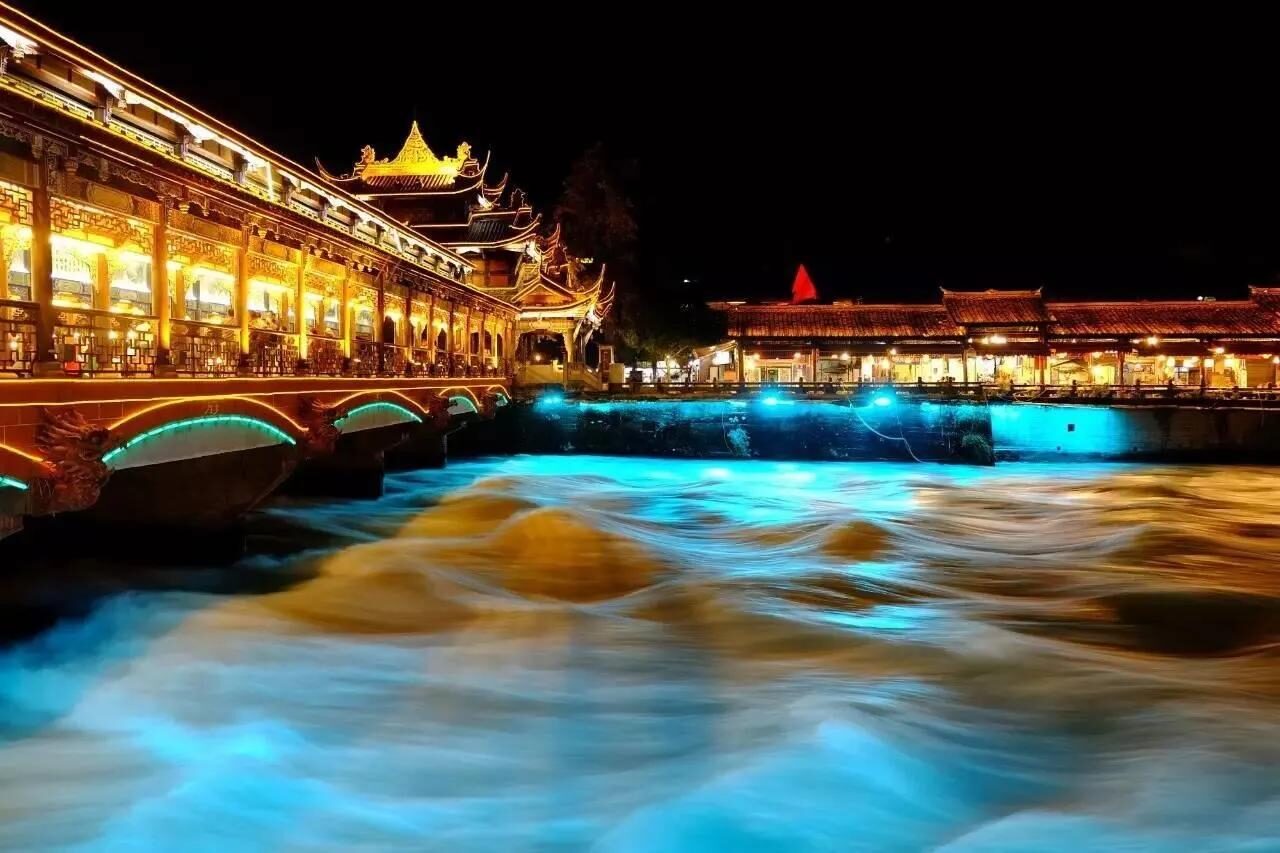
This isn’t merely a tourist gimmick—the lighting design thoughtfully enhances the natural movement of the water, creating patterns that shift and flow with the current. The reflection of the blue lights on the water’s surface creates an almost supernatural atmosphere, where the boundary between river and sky seems to dissolve into flowing light.
📸 Perfect Photo Spot: Position yourself on the South Bridge around sunset (7:30-8:30 PM depending on season) to capture the transition from golden hour to blue illumination. Long exposure shots create stunning light trails following the water’s movement.
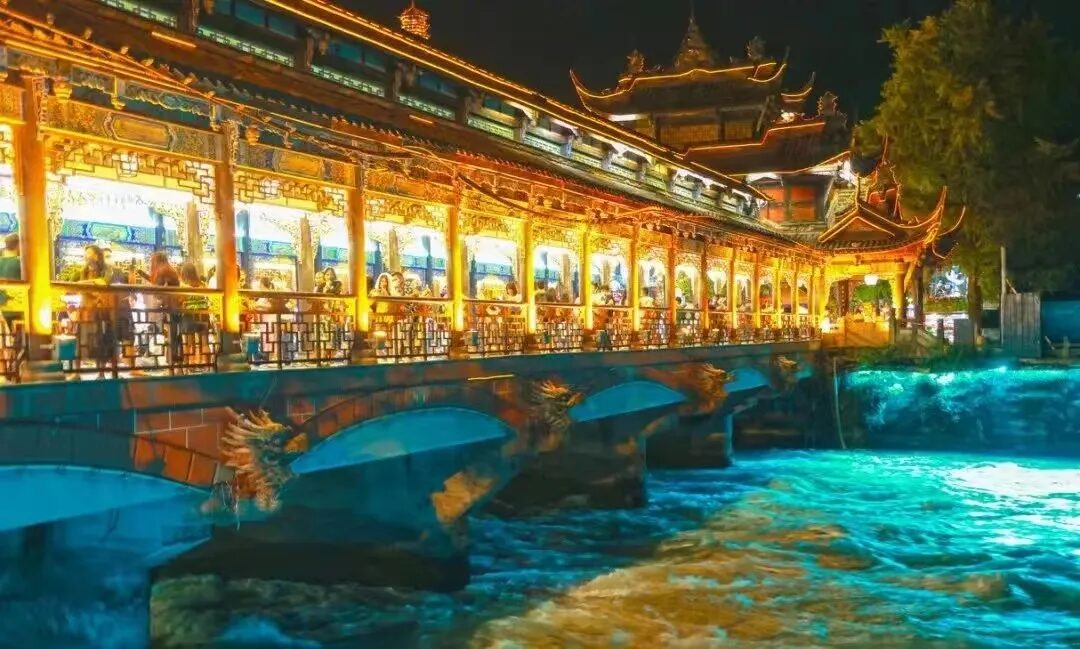
Photography Tips for Blue Tears
- Best timing: 30 minutes after sunset for optimal contrast
- Camera settings: Use a tripod for long exposures (2-4 seconds) to capture light trails
- Composition: Include the bridge structure for context and depth
- Weather: Slightly misty evenings enhance the ethereal effect
Culinary Heaven: Nanqiao Food Street Experience
Beneath and surrounding the South Bridge lies one of Sichuan’s most vibrant culinary destinations—a sprawling food street complex that represents the authentic flavors of the region far from tourist traps. This isn’t just a collection of restaurants; it’s a living showcase of Sichuan’s incredible culinary diversity.
A Gastronomic Journey Through Sichuan
The Nanqiao Food Street offers an immersive experience into authentic Sichuan cuisine that extends far beyond the internationally known dishes. Here, you’ll discover regional specialties that locals have perfected over generations:
Must-Try Local Specialties:
- Dujiangyan Tofu Pudding (都江堰豆花): Silky soft tofu served with spicy Sichuan peppercorn sauce
- Qingcheng Mountain Tea (青城茶): Fresh tea from the nearby sacred mountain
- Sichuan Cold Noodles (四川凉面): Perfect for hot summer evenings
- Spicy Rabbit Head (兔头): A beloved Sichuan delicacy for adventurous eaters
- Dan Dan Noodles (担担面): The authentic version from its place of origin
- Mapo Tofu (麻婆豆腐): Experience the original recipe in its homeland
Street Food Culture and Etiquette
The food street operates on a fascinating mix of traditional hawker culture and modern food court convenience. Many vendors are family operations spanning multiple generations, with recipes passed down through decades. The atmosphere is boisterous, friendly, and authentically local—you’ll hear more Sichuan dialect than Mandarin here.
Practical Tips for Food Street Navigation:
- Peak hours: 7:00-10:00 PM when locals finish work and families gather
- Payment: Most vendors accept WeChat Pay and Alipay; some still prefer cash
- Spice levels: Don’t hesitate to ask for “不要太辣” (bu yao tai la) – “not too spicy”
- Portion sizes: Order small portions to try multiple dishes
- Seating: Communal tables are common; sharing is part of the experience
Time Investment and Exploration Strategy
Plan to spend 2-3 hours minimum exploring the food street thoroughly. This isn’t just about eating—it’s about immersing yourself in local culture, observing family interactions, and understanding how food functions as social glue in Chinese society.
Recommended Exploration Timeline:
- First hour: Walk the entire street to survey options and observe preparation methods
- Second hour: Focus on 2-3 signature dishes from different vendors
- Third hour: Enjoy tea or dessert while people-watching and digesting the cultural experience
Strategic Accommodation: Making Nanqiao Your Base
Staying in accommodations near or within the Nanqiao Food Street area offers significant advantages for international travelers, particularly those planning to explore both Dujiangyan and Mount Qingcheng.
Accommodation Advantages
Convenience for Multi-Day Exploration: Hotels and guesthouses in the Nanqiao area provide the perfect staging ground for a comprehensive Sichuan cultural experience. You can explore the irrigation system during the day, enjoy the food street in the evening, and easily reach Mount Qingcheng the following morning.
Authentic Local Experience: Unlike sterile chain hotels in tourist zones, accommodations near Nanqiao place you in the heart of working Dujiangyan city life. You’ll wake to the sounds of locals beginning their day, observe morning tai chi sessions along the river, and experience the rhythm of a Chinese city that prioritizes livability over tourism.
Economic Efficiency: Accommodations here typically offer excellent value compared to Chengdu city center while providing easier access to both major attractions you came to see.
Types of Accommodation Available
Boutique Hotels: Several locally-owned properties offer comfortable accommodations with traditional Sichuan architectural elements and modern amenities.
Guesthouses and B&Bs: Family-run properties where owners often speak basic English and provide insider knowledge about local attractions and dining.
Business Hotels: Clean, efficient accommodations favored by domestic travelers, offering reliable service and central locations.
Transportation Connections to Mount Qingcheng
One of the greatest advantages of staying near Nanqiao is the seamless morning transition to Mount Qingcheng. The journey takes approximately 30-40 minutes by local bus or taxi, allowing you to reach the Taoist sacred mountain before crowds arrive.
Morning Transportation Options:
- Local bus: Frequent service starting at 7:00 AM, approximately 8-10 RMB
- Taxi/DiDi: Door-to-door service, 25-35 RMB depending on exact location
- Hotel shuttle: Some accommodations offer group shuttle services
Strategic Timing Benefits:
- 7:30 AM departure: Arrive at Mount Qingcheng front mountain entrance by 8:15 AM
- 8:15 AM arrival: Beat tour groups and enjoy morning mist in the mountains
- Full day flexibility: Complete Mount Qingcheng exploration and return by evening
Practical Visitor Information
Tickets and Timing
- Adult tickets: 80 RMB for Dujiangyan Irrigation System
- Children tickets: 40 RMB (typically ages 6-18)
- Best visiting hours: 8:00-10:00 AM for irrigation system, 7:30-9:30 PM for Blue Tears
- Recommended duration: Full day with evening food street experience
Seasonal Considerations
Spring (March-May): Ideal weather, moderate crowds, blooming flowers enhance photography
Summer (June-August): Hot and humid, but lush greenery and dramatic evening thunderstorms
Autumn (September-November): Perfect temperatures, clear mountain views, harvest season foods
Winter (December-February): Cooler temperatures, fewer crowds, crisp air improves visibility
Language and Communication Support
The scenic area provides English interpretive materials and audio guides. Key signage includes English translations, and the visitor center typically has English-speaking staff during peak tourist seasons. The food street operates primarily in Sichuan dialect and Mandarin, but pointing and smiling work universally for food ordering.
Cultural Etiquette and Respect
Dujiangyan remains an active site where local communities depend on the irrigation system for their livelihoods. Visitors should respect ongoing maintenance work and avoid interfering with water management operations. The temples within the complex are active religious sites—dress modestly and observe quietly during any ceremonies.
Beyond Engineering: Understanding Regional Impact
The system’s success created the economic foundation for Sichuan’s development as one of China’s most prosperous regions. The reliable water supply enabled intensive agriculture, supporting larger populations and freeing human resources for arts, crafts, and commerce. This prosperity contributed to Sichuan’s rich cultural traditions, from cuisine to opera to craftsmanship.
Understanding Dujiangyan helps international visitors grasp why Sichuan Province holds such cultural significance in China and why Chengdu evolved into a major urban center. The phrase “When Dujiangyan benefits, Sichuan benefits” (都江堰利,川西利) reflects this fundamental relationship.
Modern Relevance and Global Lessons
As climate change intensifies weather extremes globally, Dujiangyan’s sustainable approach to water management offers valuable lessons. The system’s ability to handle both floods and droughts without environmental degradation demonstrates principles that modern engineers are rediscovering. Several contemporary flood control projects worldwide have adopted elements of Dujiangyan’s design philosophy.
Complete Experience Itinerary Recommendations
Single Day Visit
- 8:00-12:00: Irrigation system exploration
- 12:00-14:00: Lunch and rest
- 14:00-17:00: Detailed engineering study and photography
- 17:00-19:00: Rest and preparation for evening
- 19:00-22:00: Nanqiao food street and Blue Tears experience
Two-Day Cultural Immersion
Day 1: Focus on Dujiangyan system, evening food street exploration, overnight near Nanqiao
Day 2: Early morning Mount Qingcheng visit, return for sunset at Dujiangyan, final evening at leisure
Photography-Focused Visit
- Golden hour morning: Sunrise shots at Anlan Bridge
- Midday documentation: Engineering details and system operations
- Blue hour evening: Blue Tears phenomenon and food street atmosphere
- Night photography: Long exposures of illuminated waterways
Sustainable Tourism and Responsible Travel
As international visitor numbers to Dujiangyan continue growing, maintaining the balance between tourism access and heritage preservation becomes crucial. Visitors can contribute to sustainable tourism by:
- Respecting posted guidelines and staying on designated paths
- Supporting local businesses in the food street rather than international chains
- Learning basic Mandarin phrases to show cultural respect
- Understanding that this is a working irrigation system, not just a tourist site
- Choosing accommodations that demonstrate environmental responsibility
Book Your Dujiangyan Cultural Discovery Experience
Ready to witness ancient Chinese engineering genius in action while immersing yourself in authentic Sichuan culture? This UNESCO World Heritage site offers international visitors an unparalleled opportunity to understand how thoughtful design can create solutions that benefit both humanity and nature for millennia.
From the morning marvels of 2,000-year-old hydraulic engineering to the evening magic of Blue Tears illuminating the Minjiang River, from authentic Sichuan culinary adventures to convenient connections with sacred Mount Qingcheng, Dujiangyan provides the perfect introduction to the depth and complexity of Chinese civilization.
Secure your comprehensive Dujiangyan experience: Book your discovery journey here and step into a world where ancient wisdom continues to shape modern landscapes, where engineering meets philosophy, and where every meal tells the story of a region’s cultural identity.
Don’t miss this chance to witness living history—where 2,000-year-old technology still powers one of China’s most fertile regions, demonstrating that the most sustainable solutions often come from working with nature’s patterns rather than against them. Experience the Blue Tears phenomenon that transforms an ancient engineering site into a magical evening destination, and discover why Sichuan cuisine developed its legendary complexity in the abundance created by Li Bing’s genius.
This comprehensive experience offers verified access to Dujiangyan Irrigation System with current pricing, accommodation recommendations, and insider local knowledge. For additional Sichuan cultural experiences and travel planning resources, explore our complete China cultural heritage guides.