
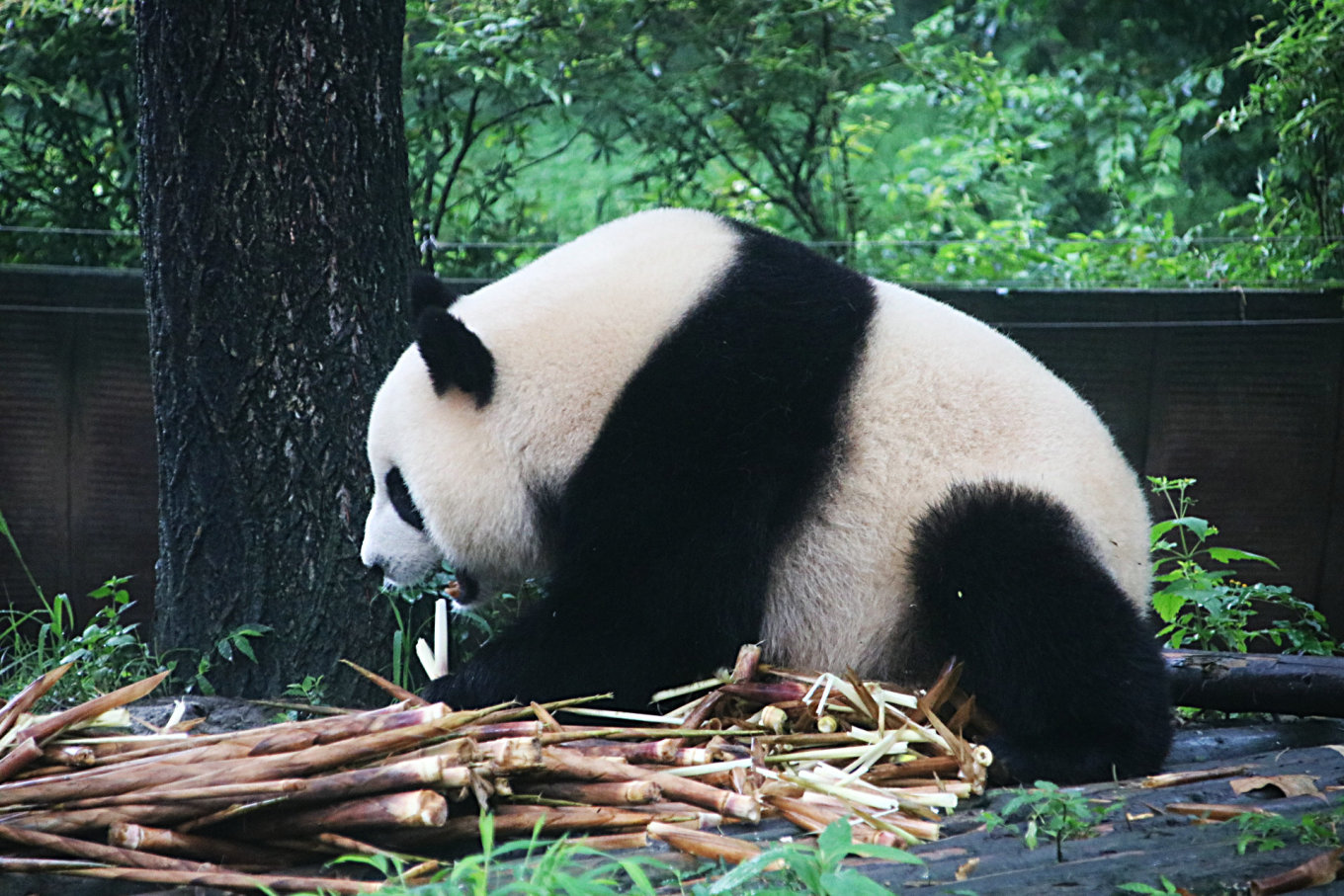
Early Morning Arrival: First Impressions
The morning mist still clung to Chengdu’s streets as I made my way to the Giant Panda Research Base, arriving just after the 8:00 AM opening time. This early start proved to be one of my best travel decisions – the pandas are most active during these cooler morning hours, and the crowds haven’t yet descended upon this beloved sanctuary.
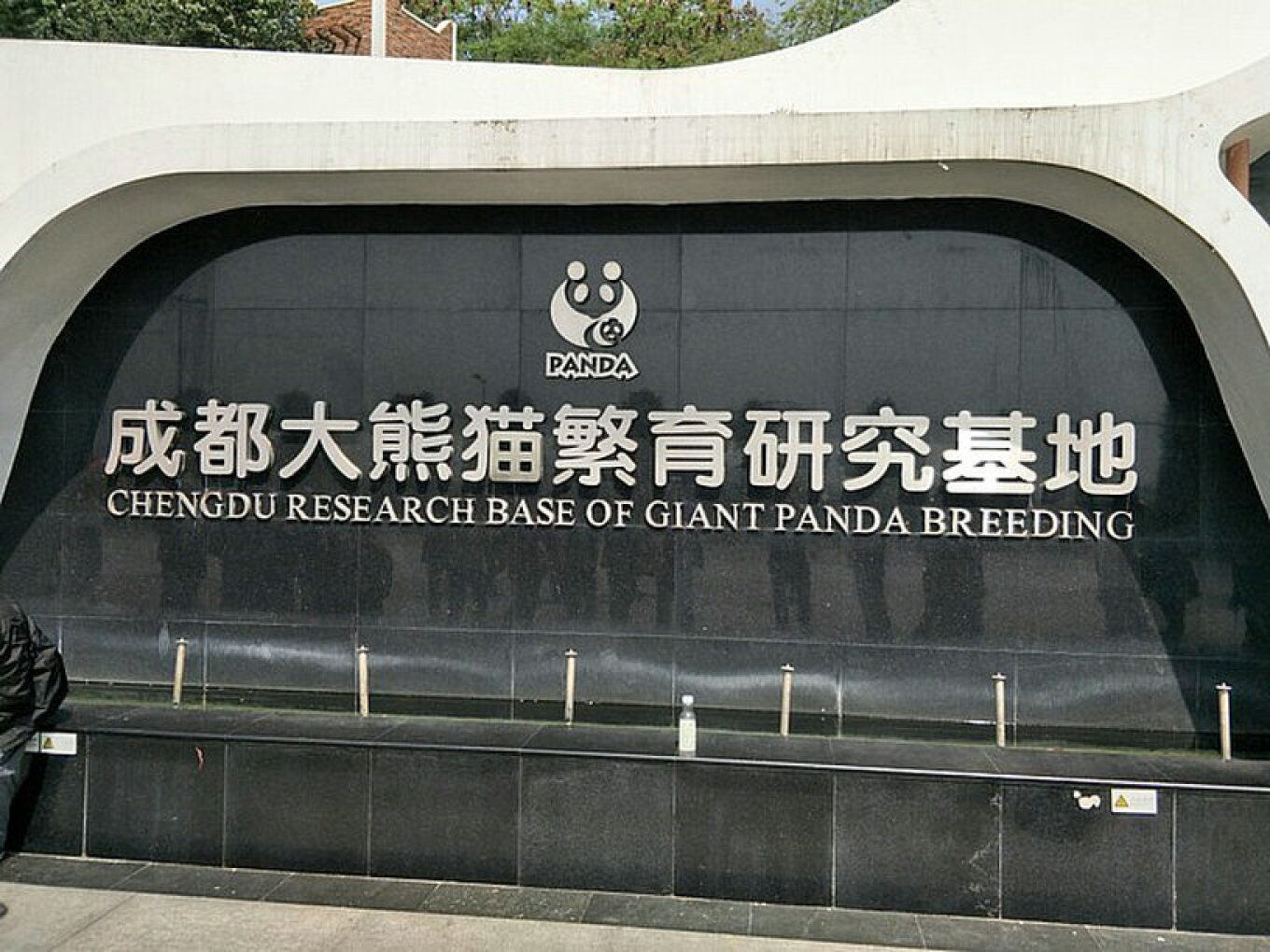
Located just 10 kilometers northeast of downtown Chengdu, the research base feels like stepping into a different world entirely. The moment I passed through the entrance gates, the urban hustle of China’s fourth-largest city faded away, replaced by the serene sounds of bamboo rustling in the breeze and the distant calls of various animals.
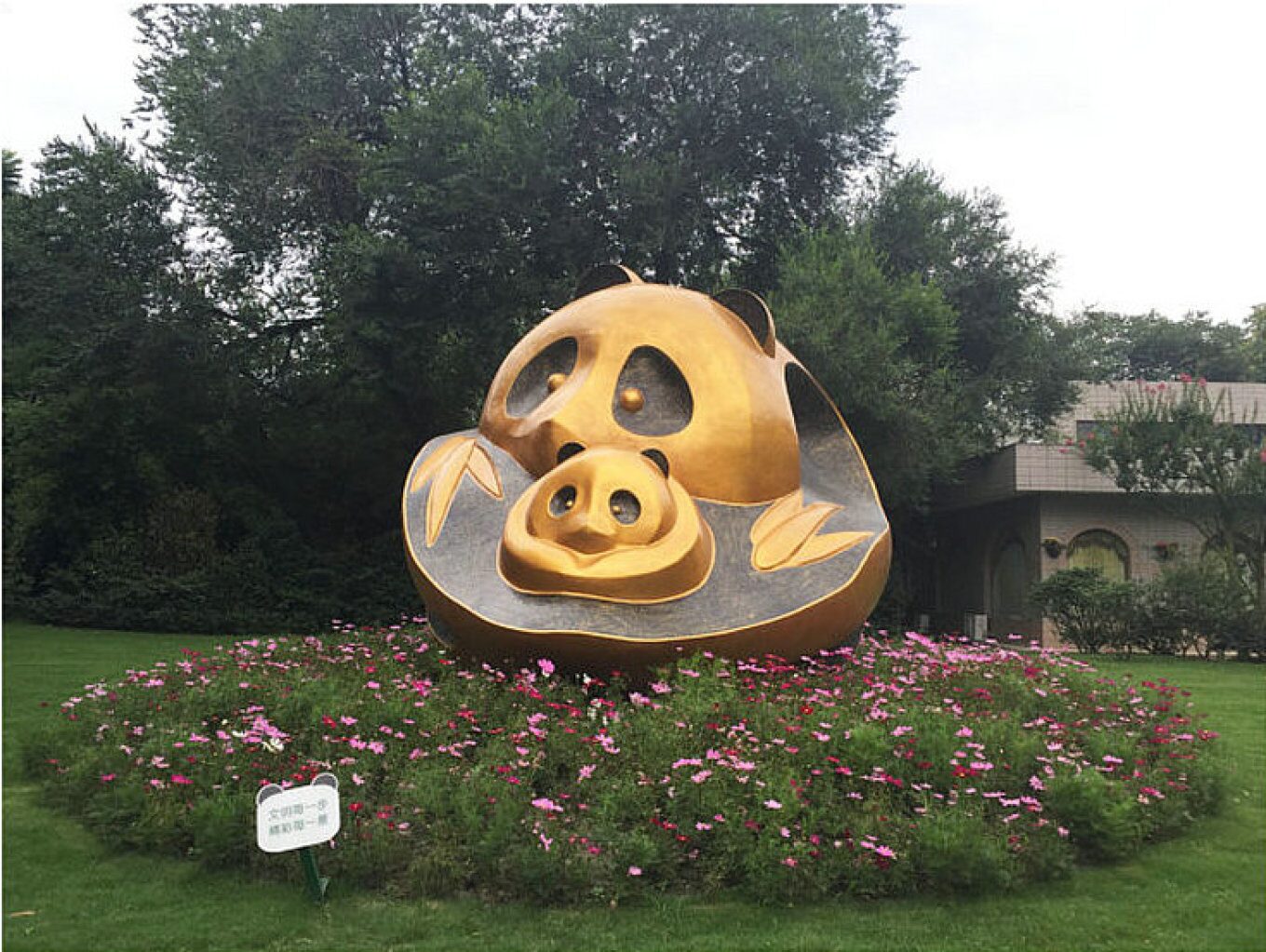
The facility spans 237 acres of carefully maintained habitat, designed to mimic the natural mountain environments where giant pandas originally thrived. Walking along the main pathway, I was immediately struck by how thoughtfully the entire complex has been planned – this isn’t just a zoo or tourist attraction, but a genuine research facility where serious conservation work happens daily.
The Adult Giant Panda Enclosures: Meeting China’s National Treasures
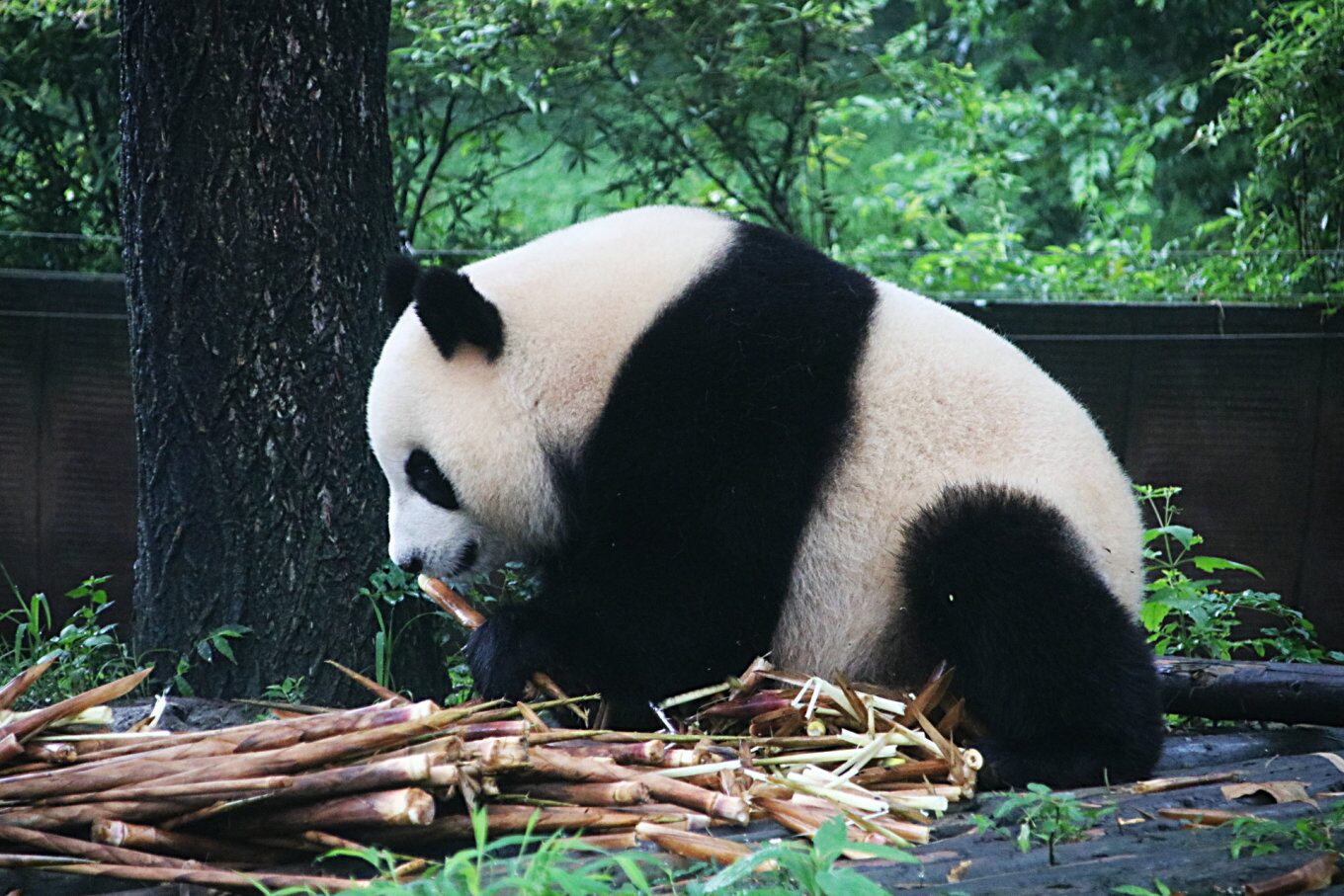
My first stop was the adult panda enclosures, and nothing could have prepared me for that magical moment of seeing my first giant panda in person. Through the viewing glass, I watched as a massive male panda named Meng Meng methodically worked his way through a pile of fresh bamboo, his distinctive black and white markings even more striking than I’d imagined from countless photos and videos.
What surprised me most was the sheer size of these magnificent creatures. Adult giant pandas can weigh up to 150 kilograms, and seeing one up close really drives home just how impressive these animals are. Meng Meng’s powerful jaws made quick work of thick bamboo stalks that would challenge a human with a saw, yet he moved with surprising grace and deliberation.
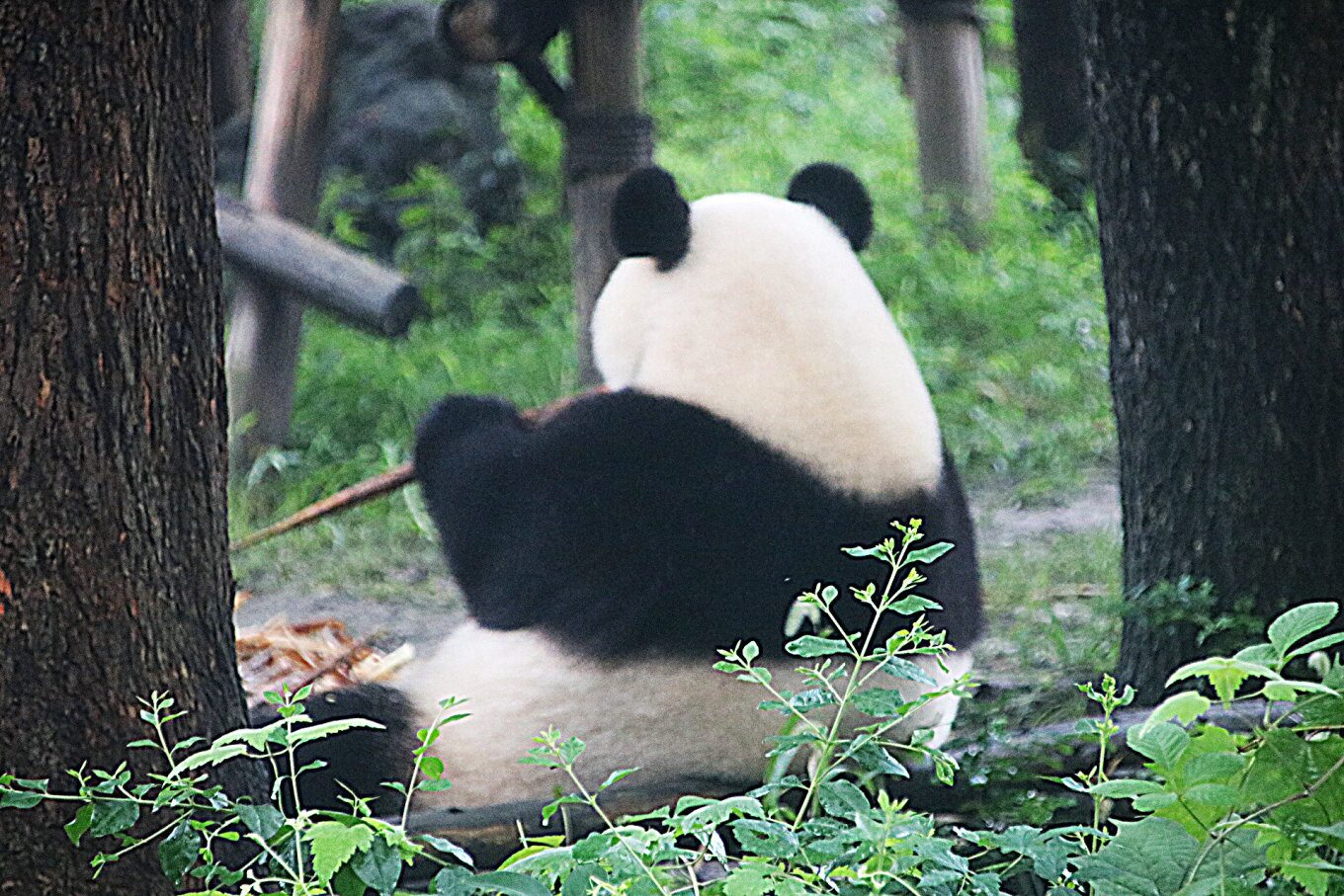
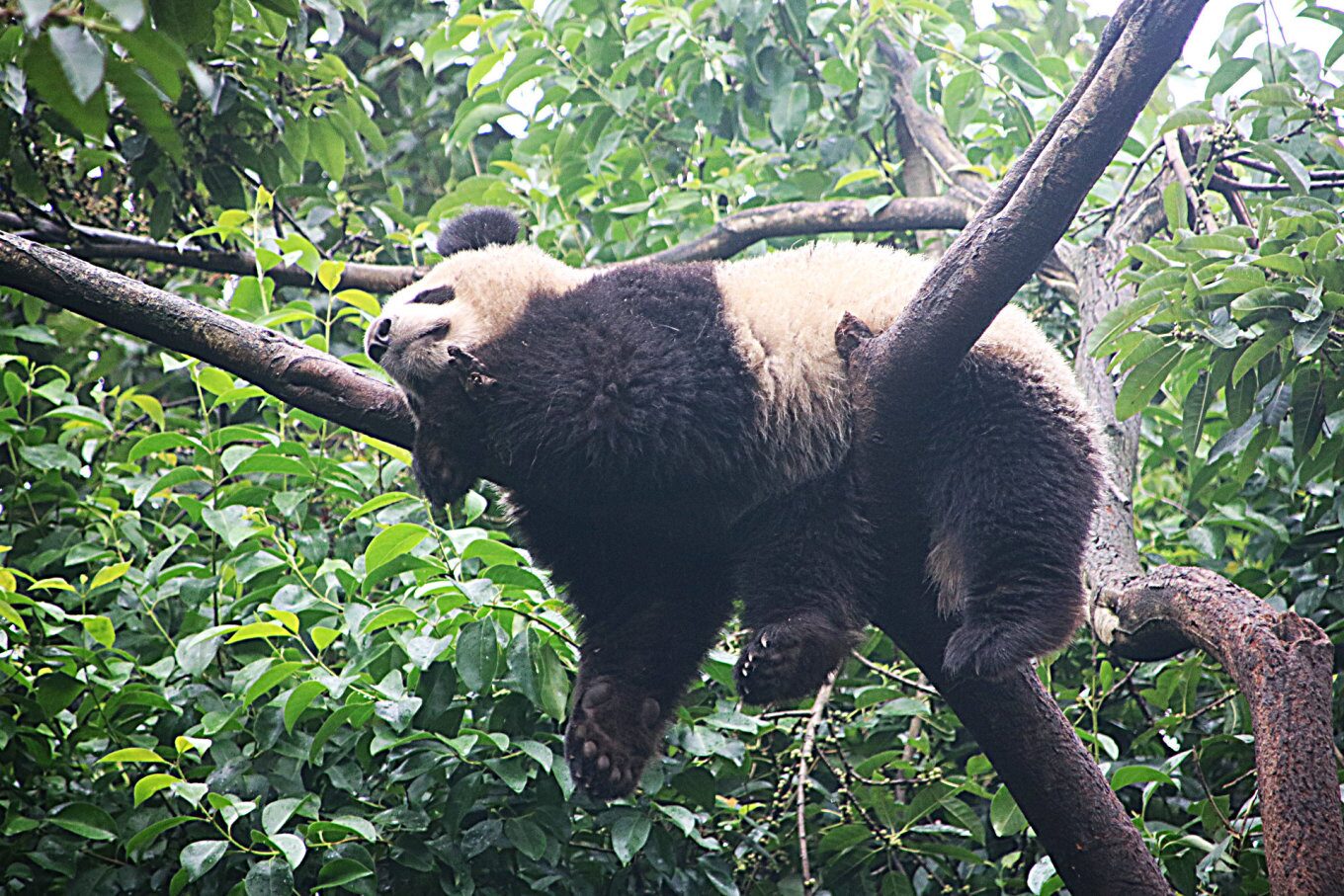
Each enclosure is spacious and thoughtfully designed, featuring multiple levels, climbing structures, pools for cooling off, and plenty of shaded areas. The pandas seemed genuinely content in their environment – some lounging on their backs in the morning sun, others actively exploring or playing with enrichment items provided by the research staff.
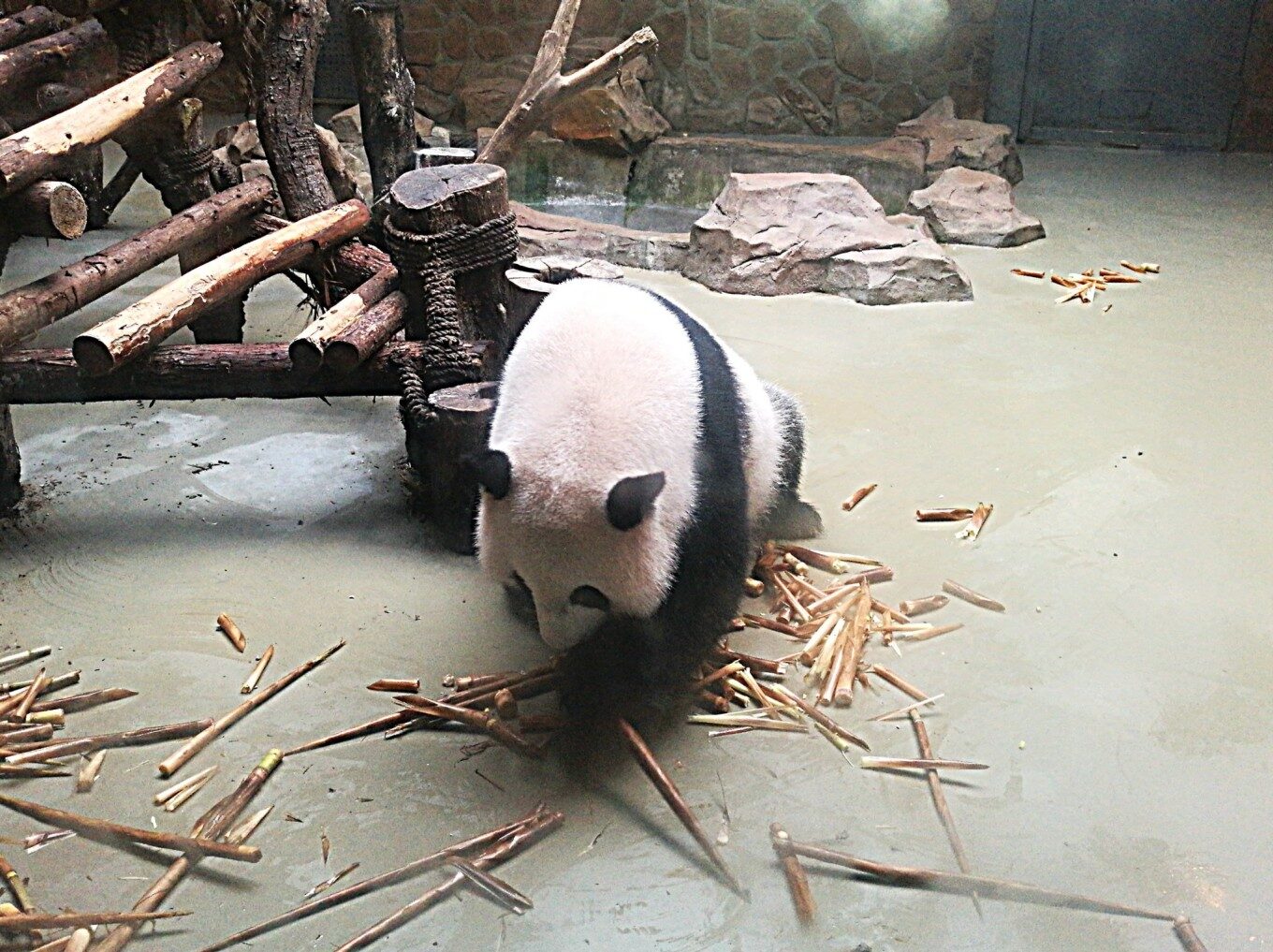
I spent nearly an hour at this first enclosure, watching the pandas’ natural behaviors unfold. Their personalities became apparent quickly – some were clearly more social and curious about visitors, while others preferred to focus on their bamboo breakfast in peaceful solitude.
The Sub-Adult Panda Area: Teenage Pandas at Play
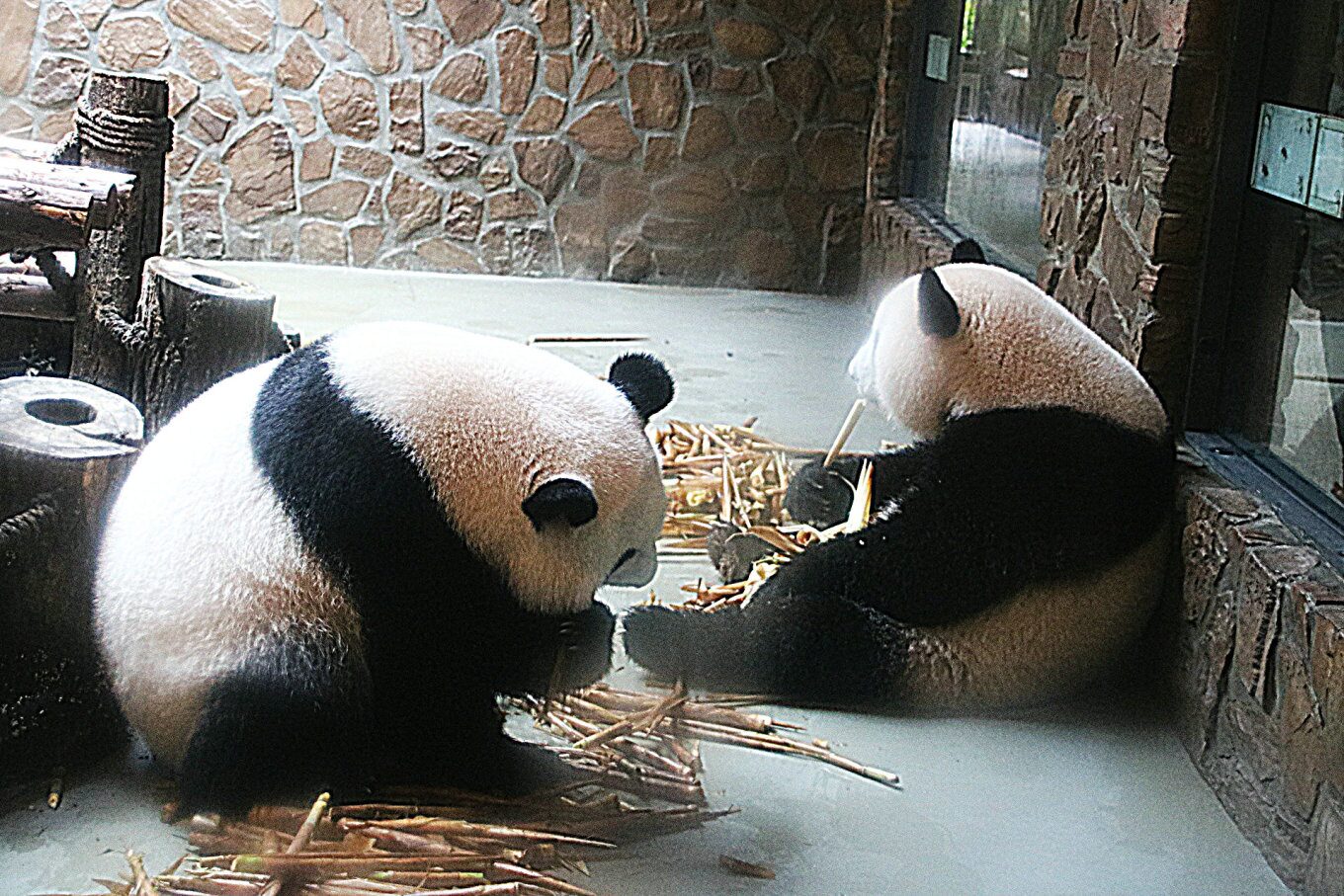
Moving deeper into the research base, I discovered what might have been my favorite section – the sub-adult panda area. These “teenage” pandas, typically between 2-4 years old, displayed an energy and playfulness that was absolutely captivating to witness.

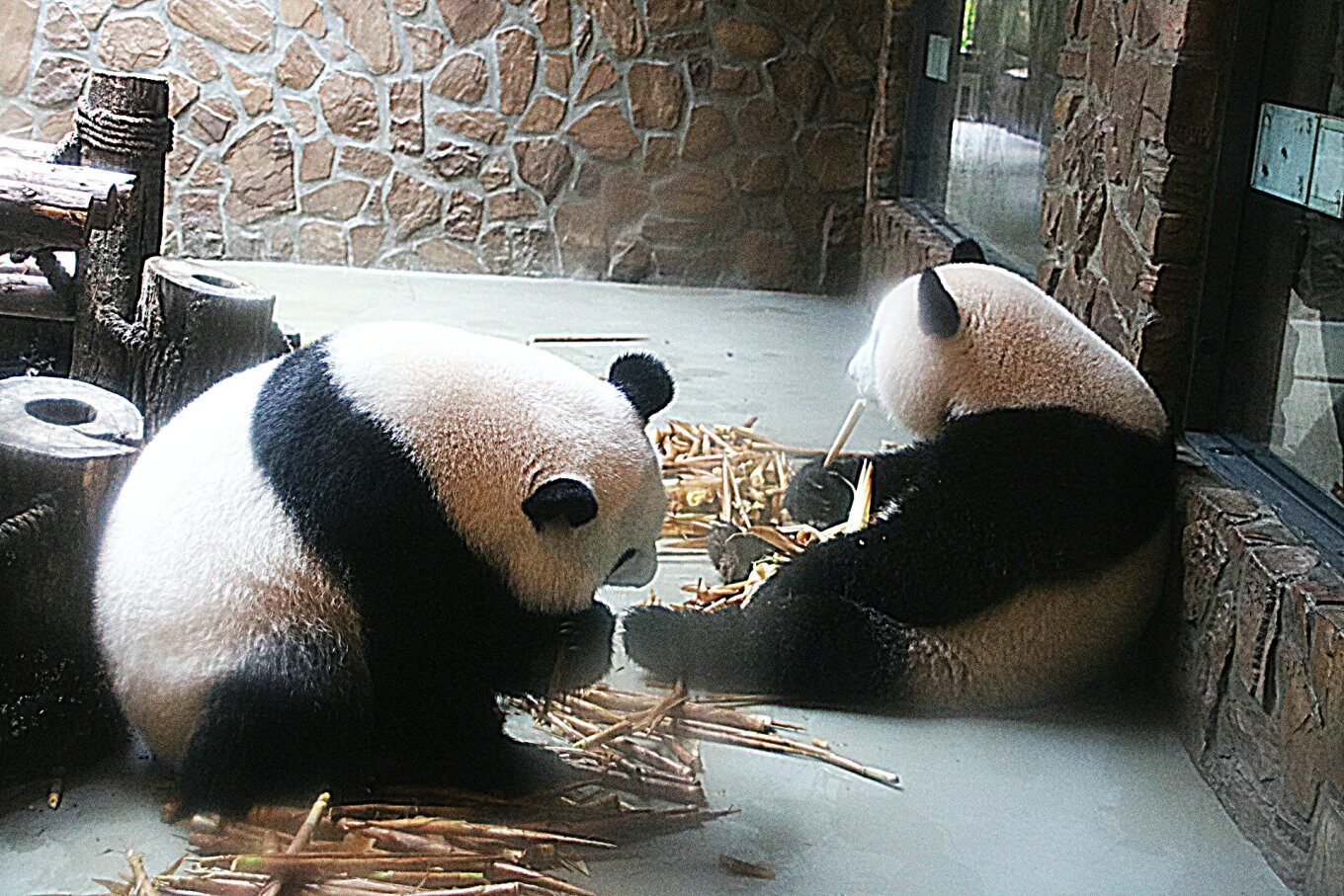
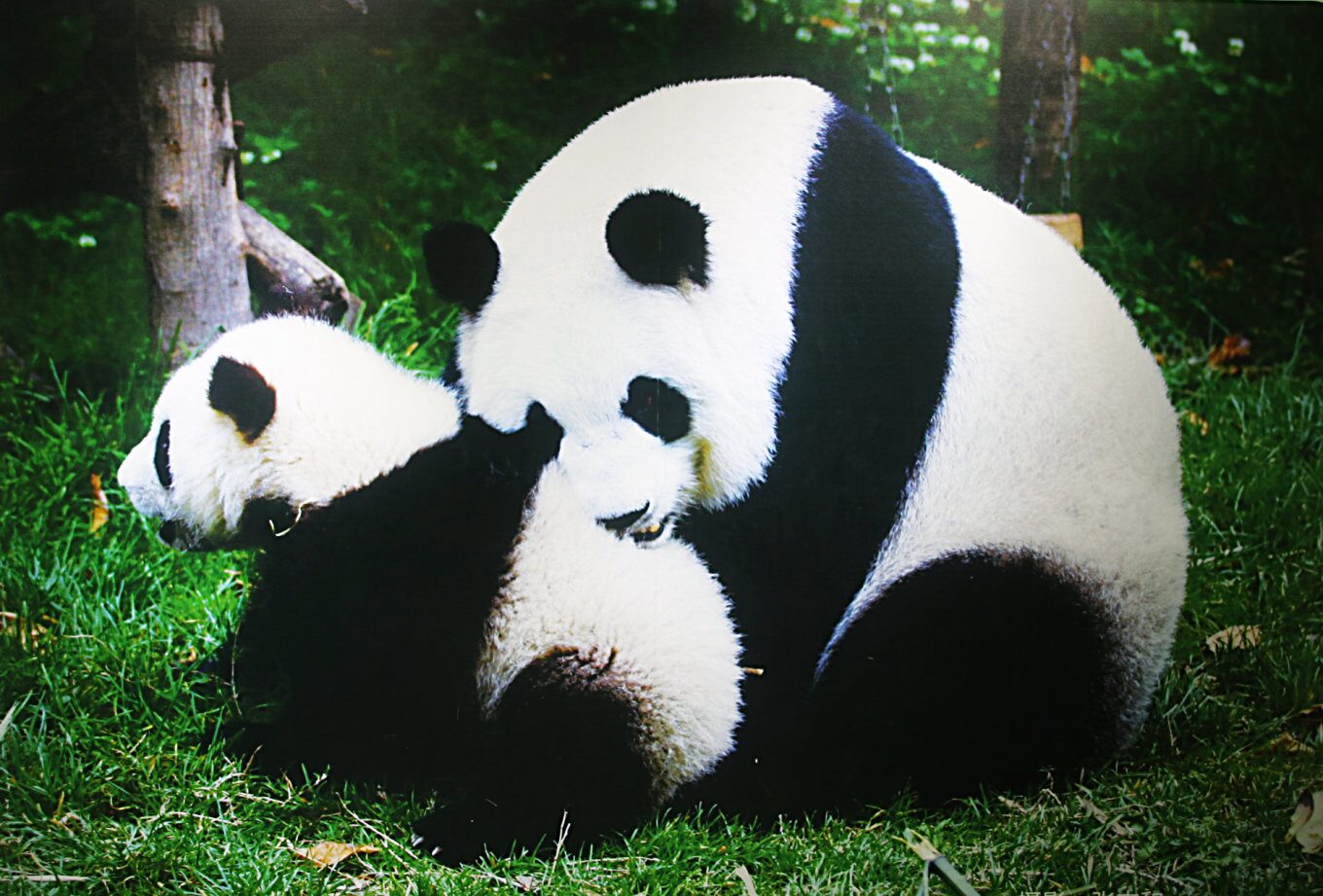
Unlike their more sedate adult counterparts, these younger pandas were in constant motion. I watched in delight as two sub-adults engaged in what can only be described as a wrestling match, tumbling over each other with surprising agility for such stocky animals. Their play fighting looked rough, but their gentle nature was evident – despite their size and strength, they never seemed to hurt each other.
One particularly curious sub-adult approached the viewing area where I was standing, pressing his nose against the glass as if trying to get a better look at the strange, hair-less creatures on the other side. For a brief moment, we made eye contact, and I felt a profound connection to this endangered species that has captured hearts around the world.

The keepers explained that this playful behavior is crucial for the pandas’ development – it helps them build strength, coordination, and social skills they’ll need as adults. Watching these interactions gave me a deeper appreciation for the complex care and attention that goes into raising pandas in captivity.
The Nursery: Witnessing New Life
Perhaps the most emotionally moving part of my visit was the nursery area, where I had the extraordinary privilege of seeing giant panda cubs. During my July visit, several cubs born earlier in the year were on display, and their presence drew crowds of amazed visitors from around the world.

Giant panda cubs are remarkably tiny when born – about the size of a mouse – but the cubs I observed were several months old and had already developed their distinctive black and white markings. Even at this young age, their personalities were emerging. Some cubs were bold explorers, constantly moving and investigating their surroundings, while others seemed more cautious and preferred to stay close to the warmth of their artificial den areas.
The nursery environment is carefully climate-controlled and designed to provide the optimal conditions for cub development. Large windows allow visitors to observe without disturbing the cubs, and the entire area maintains a hushed, respectful atmosphere that speaks to the significance of what we were witnessing – the next generation of an endangered species.

Watching these cubs play, eat, and sleep drove home the critical importance of the research base’s conservation work. Each successful birth represents hope for the species’ survival and years of dedicated scientific effort by the research team.
Educational Facilities: The Giant Panda Museum
After spending the morning observing pandas in their enclosures, I dedicated time to the educational facilities that set this research base apart from typical zoos. The Giant Panda Museum provided crucial context for everything I had been experiencing throughout the day.
The museum’s exhibits trace the evolutionary history of giant pandas, explaining how these bears adapted to their specialized bamboo diet and the environmental pressures that led to their endangered status. Interactive displays helped me understand the complexity of panda digestion – despite eating bamboo exclusively, pandas retain the digestive system of carnivores, meaning they must consume up to 40 pounds of bamboo daily to meet their nutritional needs.
One particularly curious sub-adult panda approached the viewing area where I was standing, pressing his nose against the glass as if trying to get a better look at the strange, hair-less creatures on the other side.
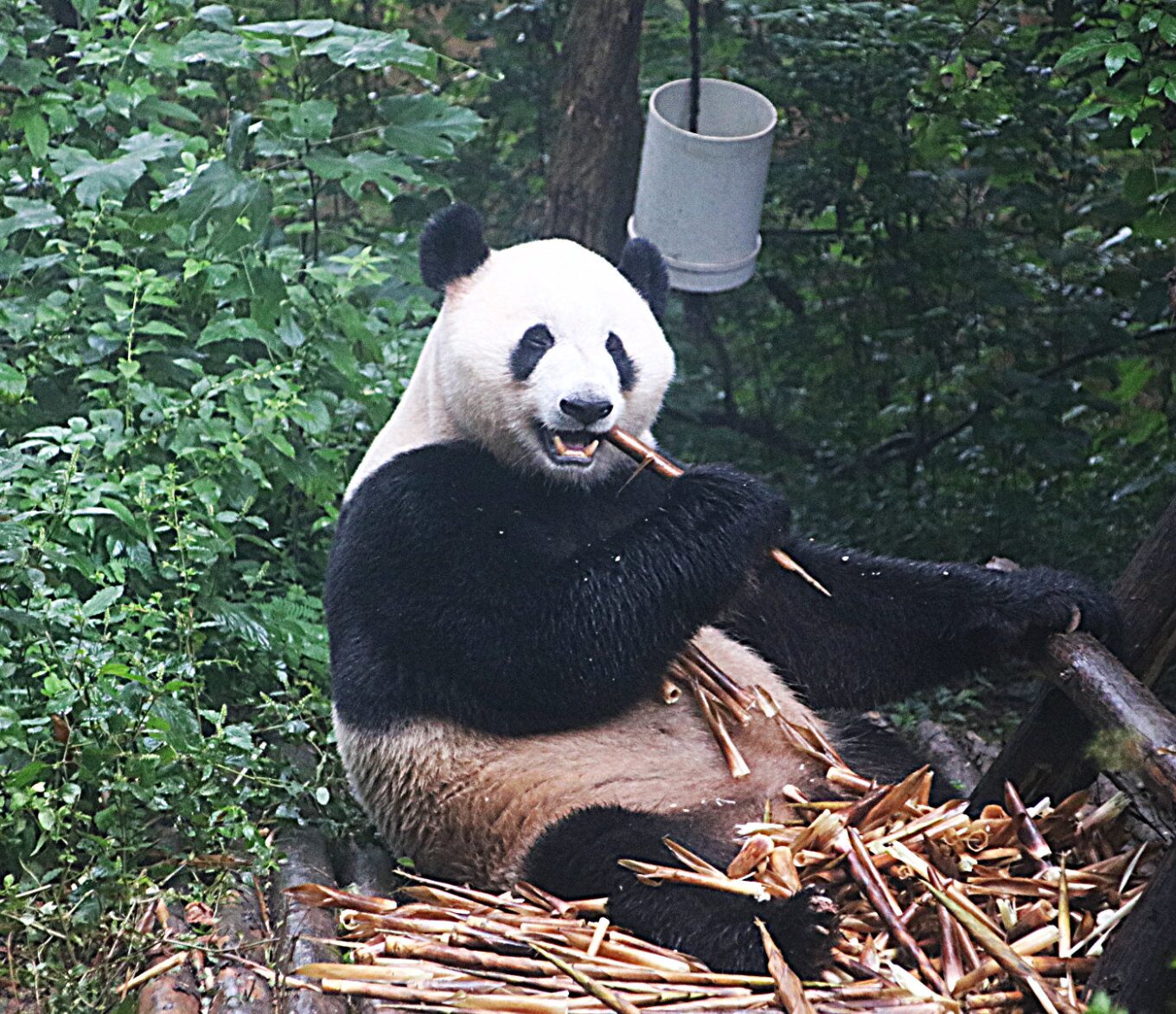
The museum also addressed the conservation challenges facing wild pandas, including habitat fragmentation and climate change impacts on bamboo forests. This educational component transformed my visit from simple animal observation into a deeper understanding of global conservation efforts.
The Giant Panda Theater: Conservation in Action
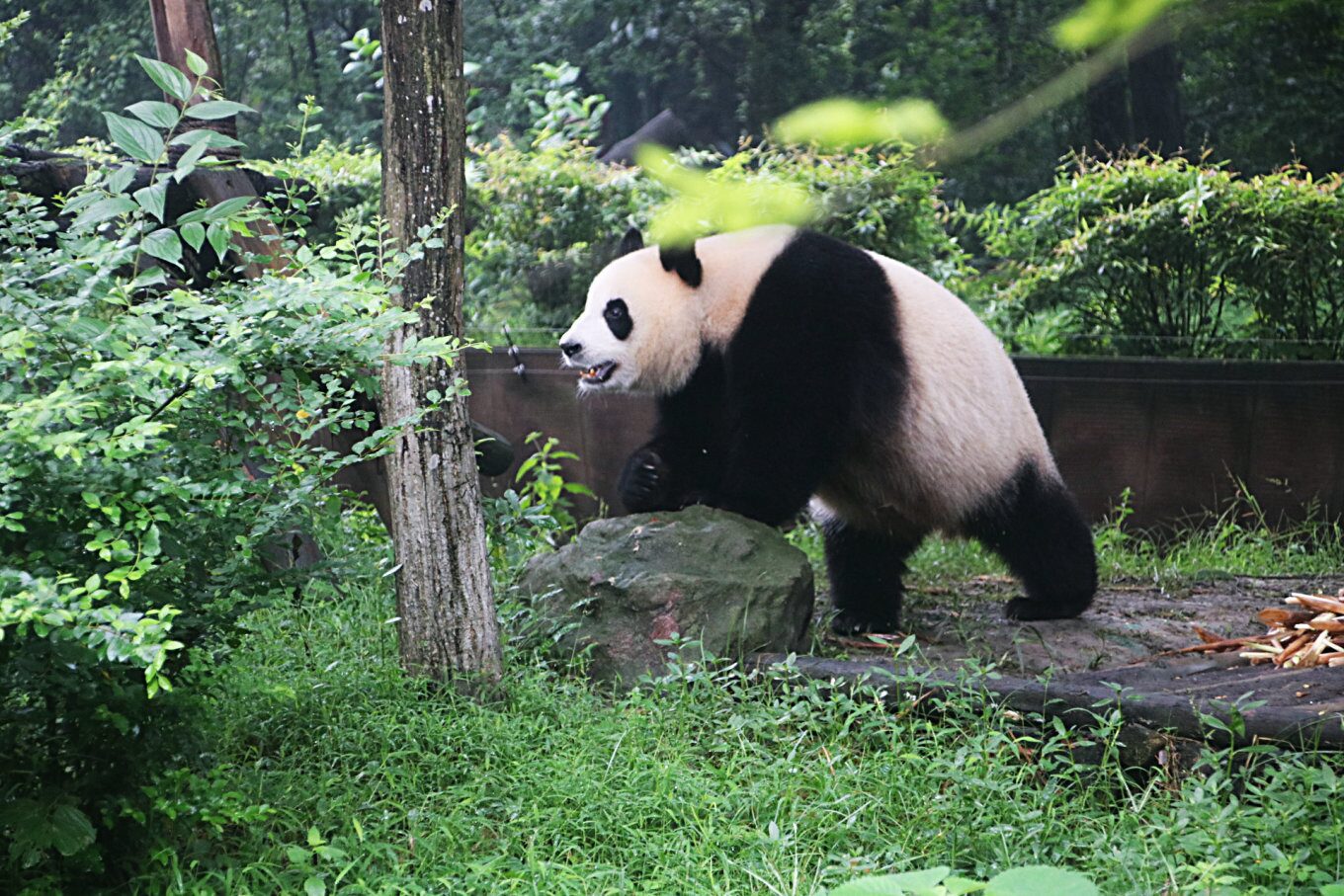
The Giant Panda Charm Theater provided another layer of educational value to my visit. The 20-minute presentation combined stunning wildlife footage with expert commentary about panda behavior, conservation successes, and ongoing research efforts.
What impressed me most about the theater presentation was its honest discussion of both successes and ongoing challenges in panda conservation. While celebrating the species’ recent upgrade from “endangered” to “vulnerable” status, the presentation didn’t shy away from discussing the continued threats facing wild populations.
The theater’s footage of wild pandas in their natural habitat provided a striking contrast to the research base environment. Seeing pandas navigating steep mountain terrain and foraging in dense bamboo forests helped me understand why the semi-natural environment of the research base represents such a thoughtful compromise between conservation needs and public education.
Research Facilities and Behind-the-Scenes Insights
One aspect of the Giant Panda Research Base that distinguishes it from typical zoos is the active research component. Throughout my visit, I observed research staff conducting various activities – from behavioral observations to medical check-ups – that reminded me this is first and foremost a scientific institution.
The base conducts crucial research into panda genetics, reproduction, nutrition, and behavior that contributes to global conservation efforts. Seeing researchers at work, even from a distance, added authenticity to the experience and reinforced the serious conservation mission underlying the public education component.
The veterinary facilities, visible from certain viewing areas, are equipped with advanced medical equipment specifically designed for panda care. Learning about the specialized medical protocols – from routine health monitoring to emergency procedures – highlighted the incredible level of expertise and resources dedicated to each individual animal’s wellbeing.
Practical Observations and Visitor Tips
From a practical standpoint, the research base exceeded my expectations in terms of visitor amenities and accessibility. The pathways are well-maintained and suitable for visitors with mobility limitations, though the facility does involve considerable walking across varied terrain.
The strategic placement of rest areas, refreshment stands, and restroom facilities demonstrates careful planning for the comfort of international visitors. Signage throughout the facility is provided in both Chinese and English, making navigation straightforward for foreign tourists.

I noticed that the base attracts a wonderfully diverse international audience – during my visit, I heard conversations in dozens of languages and observed families from every continent sharing in the universal appeal of these charismatic animals.
The gift shops offer thoughtful panda-themed merchandise, with proceeds supporting conservation efforts. Unlike typical tourist shops, many items here are educational in nature and help extend the learning experience beyond the visit itself.
Comparing Conservation Approaches: Research Base vs. Natural Reserves
As my day at the research base concluded, I reflected on the broader context of panda conservation in China. Visitors to Chengdu have two primary options for experiencing giant pandas: the research base I had just explored, or natural reserves like those in Wolong and Ya’an where pandas live in their native habitat.
The Chengdu Giant Panda Research Base offers significant advantages over the more remote natural reserves, particularly for international visitors. Its proximity to downtown Chengdu – easily accessible by public transportation or taxi – makes it feasible to visit during a short stay in the city. The journey to natural reserves requires considerably more time and planning, often involving overnight stays in remote locations.
The research base’s infrastructure provides a level of comfort and accessibility that simply isn’t possible in wild habitats. Viewing platforms, climate-controlled visitor areas, and comprehensive educational facilities create an experience that’s both informative and comfortable for visitors of all ages and physical abilities.
Perhaps most importantly, the research base guarantees panda sightings. While tracking wild pandas in their natural habitat offers a more authentic wilderness experience, success is never guaranteed, and the physical demands can be considerable. The research base ensures that every visitor, regardless of their hiking ability or available time, can have meaningful encounters with these remarkable animals.

The educational value of the research base also sets it apart. The combination of live animal observation, museum exhibits, and theater presentations provides a comprehensive understanding of panda biology, behavior, and conservation that would be difficult to achieve in a purely wild setting.
For international visitors seeking to understand and appreciate giant pandas while contributing to their conservation, the Chengdu Giant Panda Research Base represents an ideal balance of accessibility, education, and authentic animal encounters. My day there provided not just entertainment, but a deeper appreciation for one of the world’s most successful conservation stories and the ongoing efforts to ensure these magnificent creatures continue to thrive for future generations.