Experience the architectural marvel where ancient Chinese astronomy, acoustics, and imperial spirituality converge
Introduction
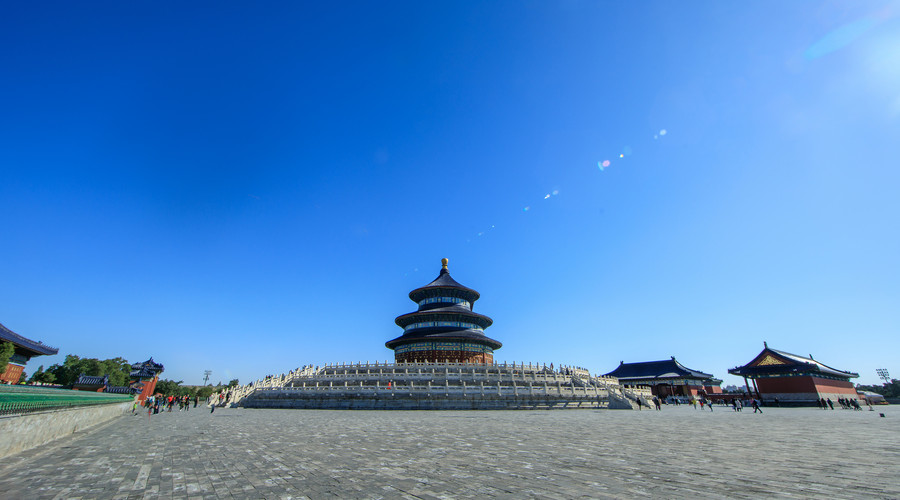
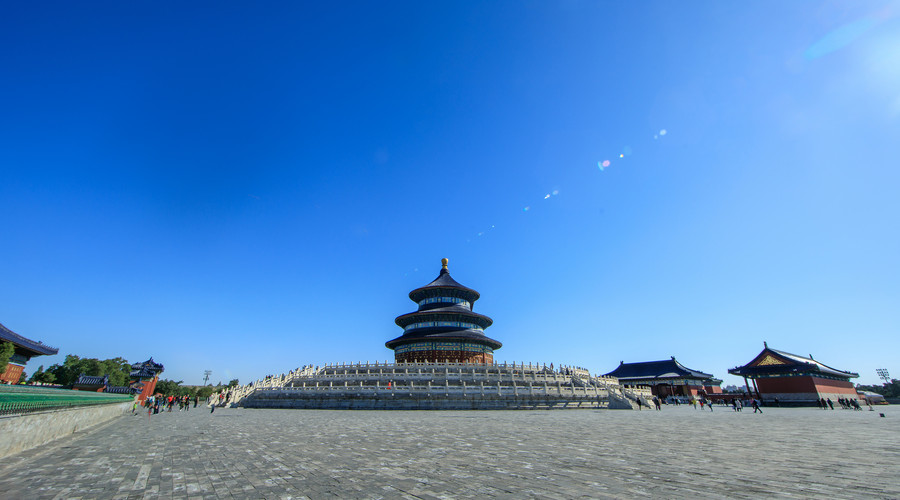
The Temple of Heaven has always been a unique and unmissable presence among Beijing’s many attractions. Here, the integrated essence of architecture, astronomy, and acoustics creates a profound allure that captivates countless visitors. Those who visit are invariably shocked and amazed by its magnificence.
Located on the east side of Yongdingmen Inner Street in Beijing’s Dongcheng District, the Temple of Heaven is not only a must-visit tourist destination but also a UNESCO World Heritage Site with distinctive characteristics and worldwide fame. Its exquisite design creates a landscape where every step reveals new scenery, and every square inch demonstrates wisdom and order, earning praise throughout the ages.
What makes the Temple of Heaven so extraordinary? How can you fully enjoy your visit? Let us explore these questions in detail.
I. Why is the Temple of Heaven Worth Visiting?
(1) Unique Purpose
The Temple of Heaven served as the sacrificial grounds for Ming and Qing dynasty emperors, hosting two major activities: sacrificing to heaven and praying for good harvests. Ancient emperors were considered “Sons of Heaven,” inheriting the mandate from above. Therefore, expressing gratitude for the benevolence of Heaven and Earth, protecting the people, and praying for peace, prosperity, and abundant crops were of paramount importance. The Temple of Heaven was built for these purposes.
In today’s world, where such official rituals of heavenly prayer have become rare, people are filled with curiosity about these mysterious ceremonies. The Temple of Heaven provides the perfect place to explore and understand these ancient practices.
(2) Meticulous Construction
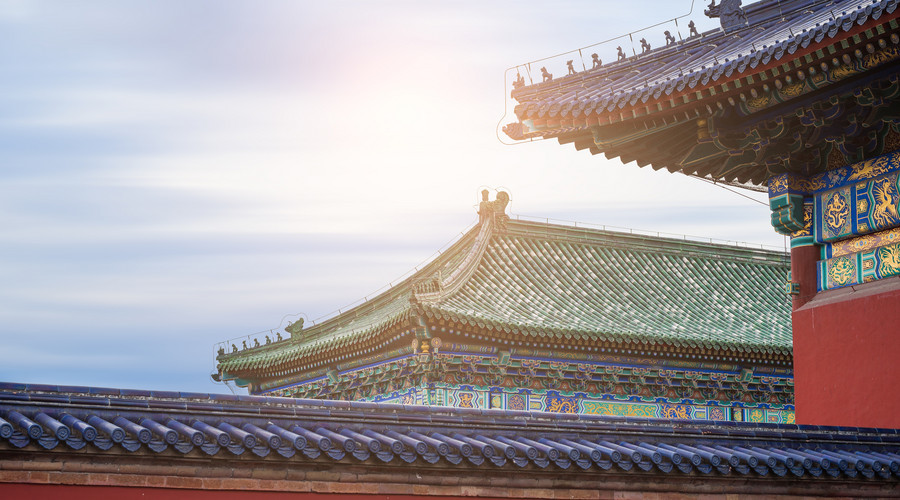
As a site for imperial sacrifices, every detail was carefully considered. The Temple of Heaven’s architecture incorporates extensive knowledge of mechanics, architecture, geometry, and astronomy. The details here are filled with mysteries that become astounding upon deeper investigation. To demonstrate imperial majesty and dignity while conveying profound meaning, everything from the site selection and layout of each hall and temple to the materials and quantities used for bricks, stones, beams, and pillars seeks harmony across different dimensions to achieve the supreme realm of “unity between Heaven and humanity.”
(3) Acoustic Marvels
Another remarkable feature of the Temple of Heaven is its masterful combination of architecture and acoustics. The construction of the Echo Wall, Three-Echo Stone, and Circular Mound incorporates sophisticated acoustic principles, recognized as three great acoustic wonders:
- The seemingly ordinary Echo Wall can transmit sound across ten meters
- Standing on the Three-Echo Stone and speaking toward the hall creates different numbers of echoes on different stone slabs
- Standing on the center stone of the Circular Mound and speaking produces responses from all directions
- Speaking on the Dialogue Stones creates an instant communication effect like a telephone call
These acoustic phenomena continue to fascinate visitors today.
II. What Are the Must-See Attractions in the Temple of Heaven?
(1) Essential Attractions
Imperial Vault of Heaven (Huangqiandian)
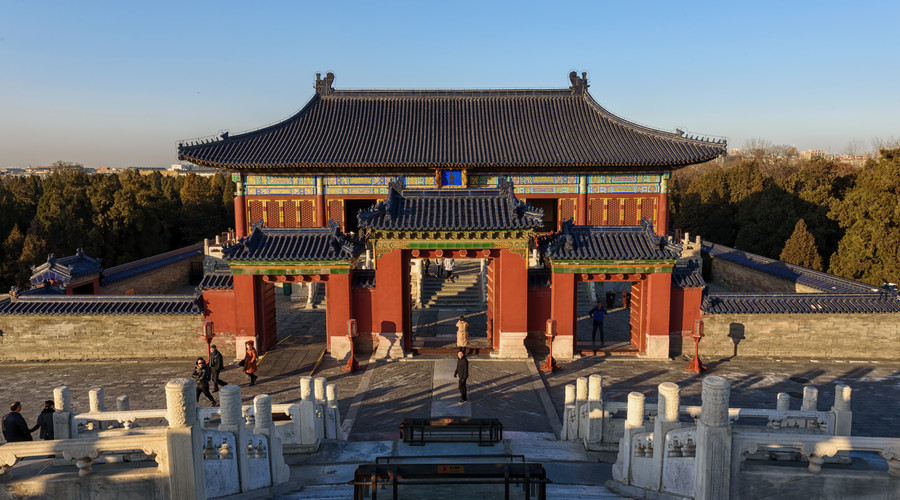
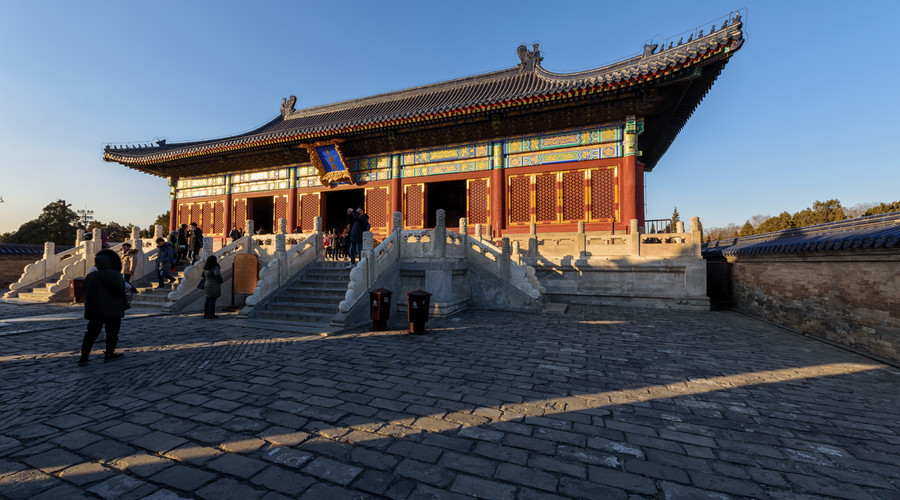
Located north of the Hall of Prayer for Good Harvests, built in the 18th year of Emperor Yongle’s reign (1420 CE). This five-room hall with blue glazed tile roofs houses the tablets of the “Supreme Emperor of Heaven” and the ancestral tablets of previous emperors.
Hall of Prayer for Good Harvests (Qiniandian)
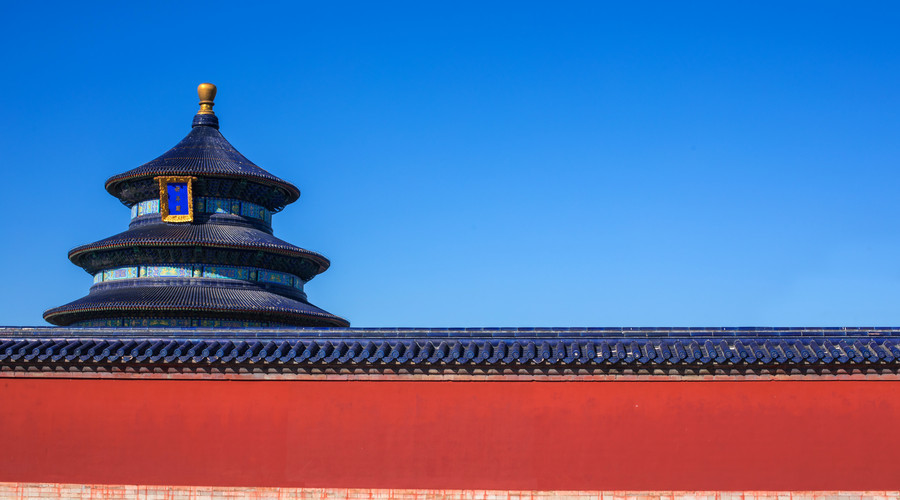
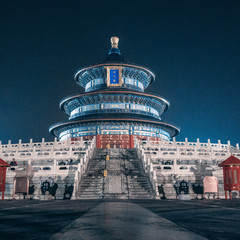
Located in the northern part of the Temple of Heaven, also built in 1420 CE. The hall is fronted by two rows of tall, lush trees. The entire structure is majestic and imposing. The white stone carvings on the steps feature intricate craftsmanship and luxurious decoration. Inside the hall are 28 pillars representing the four seasons, twelve months, twelve time periods, and celestial constellations.
Vermillion Steps Bridge (Danbi Bridge)
Located in front of the Hall of Prayer for Good Harvests, also known as the Sacred Way, built in 1420 CE. This is the main pathway connecting the Hall of Prayer for Good Harvests and the Circular Mound. Beneath this wide, flat bridge is an archway that served as the passage for sacrificial animals to reach the slaughter pavilion, also called the “Ghost Gate.”
Imperial Vault of Heaven (Huangqiongyu)
Located north of the Circular Mound, primarily used to store divine tablets. The entire structure is rigorous and refined, with steps featuring carved dragons playing with pearls (danbi stone), a blue-tiled golden roof, and beautiful interior ceiling decorations. Five auxiliary halls in front of the main hall house the wooden tablets of Qing dynasty emperors and associated deities.
Three-Echo Stone
Outside the entrance to the Imperial Vault of Heaven lies the famous acoustic wonder known as the Three-Echo Stone. Standing on the first stone slab and speaking toward the hall produces one echo; standing on the second slab produces two echoes; standing on the third slab produces three echoes. Visitors can try this when crowds are smaller.
Echo Wall
The surrounding wall of the Imperial Vault of Heaven, standing 3.72 meters high with a diameter of 61.5 meters, creates echo effects. Due to the extremely precise construction, regular curvature, and hard, smooth surface that minimally absorbs sound, sound waves experience little attenuation during transmission. While normal whispers cannot be heard beyond 6 meters, the Echo Wall can transmit them much farther—a true acoustic marvel.
Circular Mound (Yuanqiu)
Also called the Altar of Heaven, built in the 9th year of Emperor Jiajing’s reign (1530 CE), this was where emperors performed the winter solstice heaven-worshipping ceremony. The red palace walls topped with blue-green glazed tiles form the subsidiary walls. Four gates surround the walls: Chengzhen Gate, Taiyuan Gate, Guangli Gate, and Zhaoheng Gate.
Upon reaching the platform top, visitors discover that whether clapping or speaking, sounds become extraordinarily resonant. The platform top is not completely level, and the amplified sounds are not the original voice but echoes formed by sound waves reflecting after 0.07 seconds.
(2) Additional Attractions
Beyond the famous sites mentioned above, the Temple of Heaven offers several smaller attractions worth visiting:
Divine Kitchens
The Temple of Heaven park contains two divine kitchens: the South Divine Kitchen and the North Divine Kitchen. The North Divine Kitchen was recently opened, with an adjacent Slaughter Pavilion.
Slaughter Pavilion
This was the site where imperial sacrificial animals were slaughtered. Since knives could not be used during sacrificial ceremonies, it was also called the “Beating Pavilion.”
Palace of Abstinence
Located west of Yuqing Palace, this was where emperors observed purification rituals before heaven and earth ceremonies.
Sacred Music Administration
Located northwest of Guangli Gate, built in 1420 CE, this managed the ancient music performances during sacrificial ceremonies.
Rose Garden
When flowers bloom, various colored roses compete in beauty, creating spectacular displays that attract endless streams of visitors.
Nine-Dragon Cypress
Also called “Nine Dragons Welcoming the Saint,” located southwest of Chengzhen Gate at the southern end of the Vermillion Steps Bridge. This tree reaches dozens of meters high with lush foliage. Its trunk resembles nine intertwined dragons, hence the name. With nearly a thousand years of history, it’s Beijing’s oldest cypress tree.
Double-Ring Longevity Pavilion
Symbolizing prayers for eternal life, this pavilion stands out prominently among the lush vegetation.
III. Optimal Touring Routes for the Temple of Heaven
The Temple of Heaven’s attractions are well-organized, so regardless of which of the four entrances you use, you can tour everything without retracing your steps. All four gates are accessible by subway or bus, allowing you to choose the most convenient route.
Recommended Touring Routes
1. North Gate Entry
Route: Imperial Vault of Heaven → Hall of Prayer for Good Harvests (including Divine Kitchen, Corridors, Slaughter Pavilion) → Vermillion Steps Bridge → Nine-Dragon Cypress → Imperial Vault of Heaven → Echo Wall → Circular Mound → Sacred Music Administration → Palace of Abstinence → Bell Tower → Rose Garden → Hundred Flowers Garden → West Gate Exit
2. East Gate Entry
Route: Slaughter Pavilion → Divine Kitchen → Imperial Vault of Heaven → Hall of Prayer for Good Harvests → Vermillion Steps Bridge → Imperial Vault of Heaven → Echo Wall → Circular Mound → Sacred Music Administration → Palace of Abstinence → Hundred Flowers Garden → Rose Garden → West Gate Exit
3. South Gate and West Gate Entry
For South Gate and West Gate entries, you can follow the above two routes in reverse order, or adjust according to your preferences.
IV. Temple of Heaven Visitor Information
(1) Transportation Guide
The Temple of Heaven offers convenient public transportation with multiple route options:
Bus Routes
- Routes 7, 17, 20, 35, 36, 69, 71, 105, 106, 110, 120, 692, 707, 729, Special 11, 826 to Tianqiao Station
- Route 15 to Tianqiao Shopping Center
- Routes 6, 34, 35, 36, 106, 110, 687, 707 to Temple of Heaven North Gate
- Routes 2, 20, 35, 69, 71, 504, 826 to Temple of Heaven West Gate
- Routes 36, 53, 120, 122, 525, 610, 800, Special 11, 814, 958, Special 3, Express 102 to Temple of Heaven South Gate
- Routes 6, 25, 34, 35, 36, 39, 41, 43, 60, 116, 525, 610, 684, 685, 687, 707, 723, 814 to Fahua Temple
Subway
Take Line 5 to Temple of Heaven East Gate Station, exit from Exit D (Southwest exit).
(2) Opening Hours
Temple of Heaven park hours vary by season:
- Peak Season: April 1 – October 31
- Off Season: November 1 – March 31
Peak Season Hours
- Four Gates: 6:00-22:00
- Ticket Sales End: 20:00
- Park Closing: 21:00
- Attraction Hours: 8:00-17:30 (Combined ticket sales end at 16:00)
Off-Season Hours
- Four Gates: 6:30-22:00
- Ticket Sales End: 20:00
- Park Closing: 21:00
- Attraction Hours: 8:00-17:00 (Combined ticket sales end at 15:30)
(3) Ticket Information
Ticket Prices
- Peak Season: Combined ticket ¥35/person, Park admission ¥15/person
- Off Season: Combined ticket ¥30/person, Park admission ¥10/person
Note: Most famous attractions require separate admission and are not included in the basic park ticket. Purchase the combined ticket to see everything.
Guide Services
- Electronic Guides: Available at all four gates, 8:00-17:00, in Chinese, Cantonese, English, French, Korean, etc. ¥100 deposit, rental: Chinese ¥10, other languages ¥40.
- Group Guide Services: Available at South Gate, 8:00-17:00, in Chinese and English. Chinese tours: under 5 people ¥100, 5+ people ¥200. English tours add ¥50. Advance booking required (2 days).
- Free Attraction Guides: Available at various halls, 20 minutes per session, frequency increases with visitor numbers.
The Temple of Heaven now offers online ticketing for advance booking, eliminating the need to queue on-site!
V. What Else to Explore Near the Temple of Heaven?
Since a Temple of Heaven visit typically takes half a day, why not explore nearby attractions to make your trip more worthwhile?
(1) Beijing Museum of Natural History
This museum houses over 270,000 specimens, with the “Tian Jiaping Building” featuring many world-unique specimens. Particularly valuable for families with children, it offers extensive biological science knowledge and sparks curiosity for exploration.
- Admission: ¥10/person on-site, advance online booking usually required
- Address: Tianqiao area on Beijing’s south central axis
(2) Taoranting Park
A modern garden landscape known as a “metropolitan scenic spot,” primarily showcasing Chinese “pavilion culture.” While appearing ordinary, the park reveals hidden wonders once explored. Among numerous pavilions, Taoranting Pavilion is most famous—built during the Qing Dynasty, it’s one of China’s four famous pavilions, elegant yet magnificent.
- Admission: ¥2
- Address: Northwest of Taoran Bridge on Beijing’s South Second Ring Road
(3) Tiananmen Square
No introduction needed for Tiananmen. Almost everyone harbors a childhood dream of watching the flag-raising ceremony at Beijing’s Tiananmen Square. Consider visiting if interested.
- Admission: Free
- Address: Central Beijing, East Chang’an Street, Dongcheng District
(4) Longtan Park
This park features beautiful scenery and rich cultural content, representing a typical fusion of northern classical architecture and modern garden art. With pavilions, towers, lake islands, artificial mountains, and singing birds among fragrant flowers, it has become the main recreational venue for southern Beijing residents.
- Admission: ¥2
- Address: Southeast Second Ring Road, southeast of Guangming Bridge
(5) Deyun Society
Founded by Guo Degang, this famous large-scale professional crosstalk society has its headquarters at the Tianqiao location, accommodating over 300 audience members. With luck, you might even see Guo Degang himself (though he rarely performs here)!
- Admission: Varies by floor and table location
- Address: 4 Gongti East Road, Dongcheng District (Guo Degang Deyun Society Crosstalk Theater)
(6) Tianqiao Acrobatics
Tianqiao is the birthplace of acrobatics, and the Tianqiao Acrobatics Theater was born here. Daily performances feature various thrilling or exquisitely beautiful acrobatic shows—a must-see for acrobatics enthusiasts.
- Admission: From ¥100
- Address: 95 Tianqiao Market, Beiwei Road
Summary
The Temple of Heaven stands as one of Beijing’s most remarkable attractions, where visitors can experience:
- Historical Significance: Sacred grounds where Ming and Qing emperors conducted heaven-worshipping ceremonies
- Architectural Mastery: Exquisite buildings incorporating principles of astronomy, mathematics, and sacred geometry
- Acoustic Wonders: Three famous sound phenomena that demonstrate ancient Chinese scientific understanding
- Cultural Heritage: UNESCO World Heritage Site preserving centuries of imperial ritual and architectural achievement
Key Highlights:
- Marvel at the Hall of Prayer for Good Harvests’ symbolic architecture
- Experience the acoustic phenomena of the Echo Wall and Three-Echo Stone
- Walk the sacred Vermillion Steps Bridge connecting heaven and earth
- Explore the Circular Mound where emperors communicated with heaven
- Discover hidden gardens, ancient trees, and peaceful pavilions
Whether you’re interested in history, architecture, acoustics, or simply seeking a peaceful retreat in central Beijing, the Temple of Heaven offers an unforgettable journey through China’s imperial past and architectural genius.
Planning Your Visit: Allow 3-4 hours for a complete tour, arrive early to avoid crowds at acoustic sites, and consider purchasing the combined ticket to access all major attractions. The mysteries and wonders described here can only be fully appreciated through personal experience—so plan your visit and prepare to be amazed!
This guide is based on comprehensive research and visitor experiences. For the most current information on tickets, hours, and special events, please check official sources before your visit.